


Hyundai Motor Trumpets U.S. Fuel-Economy Gains With Monthly Data

Hyundai Motor Co., aiming to offer the most efficient U.S. vehicle line, began revealing overall fuel economy for its cars and light trucks based on monthly sales as regulators prepare to set tougher rules for automakers, Bloomberg reported.
Autos sold by Hyundai, South Korea’s largest carmaker, in January got an average of 34.7 miles per gallon of gasoline, based on U.S. Corporate Average Fuel Economy, or CAFE, guidelines. Hyundai’s U.S. fleet averaged 34.4 miles per gallon in December and 31.7 in the 2009 model year, the latest period for industry data, said John Krafcik, the company’s U.S. chief.
“We look at this information internally, so we thought, ‘Why not share it externally?’” Krafcik said yesterday in an interview. “It might be helpful to policy makers and the general public because there’s a lot of discussion about big CAFE targets.”
Oil price fluctuations and fuel-economy rules aimed at cutting carbon emissions linked to climate change are pushing automakers to introduce more efficient vehicles and hybrid, plug-in and electric models that use little or no gasoline.
In the U.S., where Hyundai was the fastest-growing mass- market carmaker last year, regulators are developing rules that may require vehicle fuel economy of 47 to 62 miles per gallon by 2025, compared with a requirement of 27.3 for 2011 models.
“It puts to bed the old auto industry canard that consumers don’t care about fuel economy,” said Dan Becker, director of the Safe Climate Campaign, a Washington-based group that lobbies for higher fuel-economy rules. “This is the first time I’ve heard of a company doing this. The industry should do the same to inform consumers, their workers and the government.”
Keeping ‘Honest’
Jose Ucles, a spokesman for the National Highway Traffic Safety Administration, which oversees CAFE rules, declined to comment on Hyundai’s action.
The carmaker rose 1.1 percent to 181,000 won in Seoul trading on Feb. 1, extending its gain this year to 4.3 percent. Markets in Seoul were closed yesterday and today for a holiday.
Hyundai set a goal in 2008 of increasing its fleet’s CAFE rating to 35 miles per gallon by 2015 and said last year it aims to reach 50 miles per gallon across its lineup by 2025.
Fuel efficiency is “one of our top three business imperatives,” Krafcik said. Disclosing monthly fuel-economy details is “a way to keep ourselves honest,” he said.
Unlike General Motors Co. and Nissan Motor Co., which are boosting sales of rechargeable Volt and Leaf cars, Hyundai aims to curb fuel consumption mainly by using small, efficient, direct-injection and turbo-charged engines and lighter steel alloys that cut a vehicle’s weight.
No Followers
Hyundai began selling the Sonata Hybrid in the U.S. in January, its first gasoline-electric model for that market. Krafcik declined to say how many of the cars were sold last month.
For now, none of Hyundai’s biggest competitors in the U.S. plans to make the same fuel-economy information available.
Toyota Motor Corp. has no plans to report CAFE monthly, said John Hanson, a company spokesman. Similarly, Honda Motor Co. and Nissan won’t be giving fuel-economy figures when sales are released, said Chris Martin, a Honda spokesman, and Katherine Zachary, a spokeswoman for Nissan’s U.S. unit.
“Anything other than on an annual basis could be confusing to customers because it can widely fluctuate,” said Sharon Basel, a spokeswoman for GM, which also doesn’t plan to follow Hyundai. “The thing that’s really important to the customer is what the fuel economy is on the sticker of the vehicle they are shopping for.”
John Stoll, a Ford spokesman, declined to say if the automaker would report monthly CAFE results.
Chrysler Group LLC doesn’t have any plans at this time to report the results each month, Rick Deneau, a company spokesman, said in an e-mail.
Hyundai said yesterday U.S. sales rose 22 percent in January. The Seoul-based company’s U.S. sales unit is in Fountain Valley, California.
More Industry
Charger Network Growth Slows
Despite a projected increase in public EV chargers in 2026, charging infrastructure remains a top concern for consumers as the gap between the most and least EV-friendly places remains substantial.
Read More →
Lenders, Consumers Take on More Auto Loan Risk
September records loosened credit access the most in over a decade as buyers took advantage of the conditions to afford trading, though loan applications fell.
Read More →
Next-Gen Hybrids in Sight
Dealerships can expect to see revamped hybrids from Honda next year as the company rolls out a new system and model lineup.
Read More →
Gem State Stores Change Hands
A larger auto group founded in the industry’s early years sold two franchises to a neighbor group that's on a growth spurt.
Read More →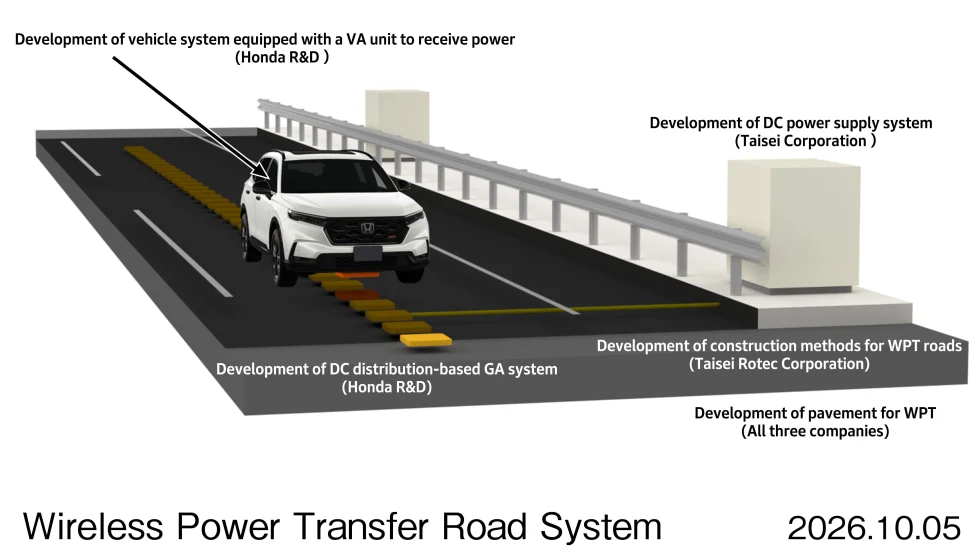
Charging In Motion
Honda has been researching wireless in-motion charging for electric vehicles since 2025, and new technology developments have put it a step closer to a final product.
Read More →
Twin Cities Stores Sell
Minnesota-based Walser Automotive Group made what it called the most significant acquisition in its history with a three-rooftop deal in Minneapolis.
Read More →
U.S. Auto Sales Still Below Prepandemic Levels
Mobility Global industry observers don’t expect the market to return to the higher volumes that became routine before Covid but to stay well below its potential.
Read More →
The Powertrain Shift
Electric-vehicle owners are backpedaling, according to new data, with product availability driving many to shift back to gas-powered engines.
Read More →
Achromatic Autos
The shades that dominate the U.S. car market don’t call attention to themselves, though grayscale may have plateaued after a 30-year upswing, research shows.
Read More →
Used-Vehicle Affordability Worsens
Listing prices in August defied seasonal trends, rising above $27,000 for the second time this year.
Read More →