


IIHS Releases Rating Program for Vehicles with Partial Automation
The new rating system requires safeguards that help drivers stay focused and not treat systems, such as Tesla's Autopilot and Volvo's Pilot Assist, as self-driving cars.

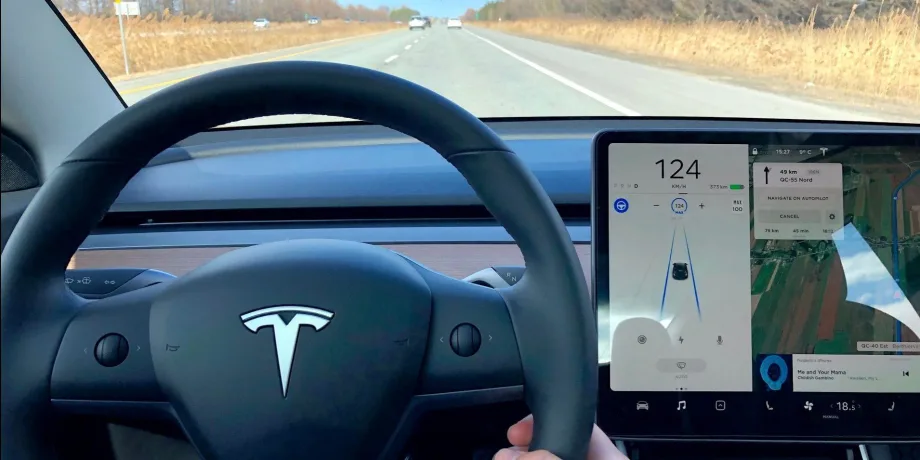
Tesla Autopilot
Tesla
The Insurance Institute for Highway Safety (IIHS) has released a rating program for vehicles with partial automation.
The new rating system requires safeguards that help drivers stay focused and not treat systems, such as Tesla's Autopilot and Volvo's Pilot Assist, as self-driving cars, an IIHS press release said.
Under the rating program, vehicles will receive a rating of either "good," "acceptable," "marginal" or "poor." A "good" rating requires that a car monitors whether drivers keep their hands on the steering wheel and whether they look at the road. The rating also requires that automated lane changes be initiated by the driver and other things.
The IIHS requires the systems to use alerts to remind the driver of this criteria. If the driver fails to respond, the press release reports that the vehicle should slow to a crawl or stop.
Most of today’s semi-automated vehicles do not monitor the hands and automated lane changes. Some manufacturers suggest drivers use partial automation without holding the steering wheel. Other vehicles even allow drivers to use partial automation without wearing a seat belt.
"For some of these things, they are fixes that can be implemented quickly through software," IIHS President David Harkey said. "We are encouraged that the automakers will address some of these problems rather quickly."
While these requirements cannot force drivers to focus, they allow them to take over control quickly if needed, IIHS said.
A noted crash involving partial automation involved a Tesla Model X. Here, the driver was playing a cellphone videogame with autopilot engaged. IIHS hopes the new safeguards will prevent similar crashes.
The new criteria set a standard for safety and will change how automakers and customers talk about partial automation. Automakers must change how they market the systems, says Harkey, but drivers must use them safely, too.
IIHS expects to issue the first set of ratings in 2022, but supply chain issues have made vehicles difficult to obtain for testing.
Consumer Reports, an influential organization that tests vehicles, has warned that research shows human drivers are less likely to pay attention to automated tasks, even if they understand the automation isn't perfect.
The organization reports its testing found flaws in Tesla, BMW and Subaru's driver monitoring systems.
Initially, only Ford and General Motors will earn additional points in its 2022 vehicle ratings next month for driver monitoring systems, reported Consumer Reports. These systems prevented a driver from using active driving assistance when they stopped looking at the road, the organization reported.
NTSB Chair Jennifer Homendy praised the new IIHS rating program as "a meaningful step" toward more informed consumers and safer roads.
Originally posted on Auto Dealer Today
More Industry
Charger Network Growth Slows
Despite a projected increase in public EV chargers in 2026, charging infrastructure remains a top concern for consumers as the gap between the most and least EV-friendly places remains substantial.
Read More →
Lenders, Consumers Take on More Auto Loan Risk
September records loosened credit access the most in over a decade as buyers took advantage of the conditions to afford trading, though loan applications fell.
Read More →
Next-Gen Hybrids in Sight
Dealerships can expect to see revamped hybrids from Honda next year as the company rolls out a new system and model lineup.
Read More →
Gem State Stores Change Hands
A larger auto group founded in the industry’s early years sold two franchises to a neighbor group that's on a growth spurt.
Read More →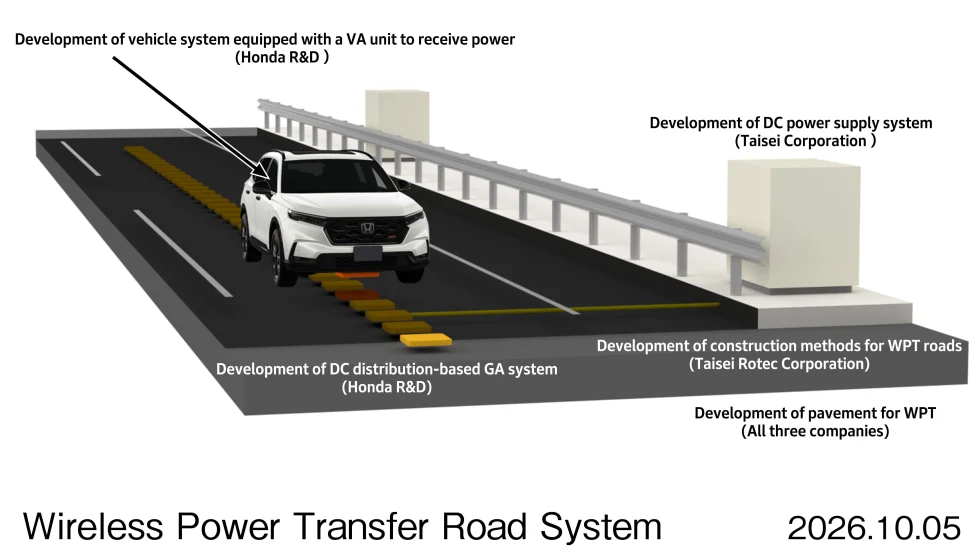
Charging In Motion
Honda has been researching wireless in-motion charging for electric vehicles since 2025, and new technology developments have put it a step closer to a final product.
Read More →
Twin Cities Stores Sell
Minnesota-based Walser Automotive Group made what it called the most significant acquisition in its history with a three-rooftop deal in Minneapolis.
Read More →
U.S. Auto Sales Still Below Prepandemic Levels
Mobility Global industry observers don’t expect the market to return to the higher volumes that became routine before Covid but to stay well below its potential.
Read More →
The Powertrain Shift
Electric-vehicle owners are backpedaling, according to new data, with product availability driving many to shift back to gas-powered engines.
Read More →
Achromatic Autos
The shades that dominate the U.S. car market don’t call attention to themselves, though grayscale may have plateaued after a 30-year upswing, research shows.
Read More →
Used-Vehicle Affordability Worsens
Listing prices in August defied seasonal trends, rising above $27,000 for the second time this year.
Read More →