


Japan Auto View Cut

TOKYO - Ratings firm Standard & Poor's cut its outlook on quake-hit Japanese auto makers Toyota Motor Corp., Nissan Motor Co. and Honda Motor Co., which saw their domestic production plummet by more than half in March from supply-chain disruptions.
The twin hits come a few days before Japanese car makers start reporting their latest earnings. They are expected to provide grim forecasts for the current fiscal year, which started this month, reported The Wall Street Journal.
The move by Standard & Poor's Ratings Services indicates the increased likelihood of a downgrade for the auto makers as well as three suppliers the firm included in its assessment. Japan's auto makers have struggled with parts shortages since last month's disaster. A host of companies in the electronics, industrial and other sectors have face supply-chain problems in the wake of the catastrophe.
Although the car companies restarted all of their domestic plants by mid-April in the immediate aftermath of the disaster, the expectation is that output won't be restored to normal any time soon as some parts suppliers are still struggling to restore production. In addition, the government has warned of a likely power shortage this summer in eastern Japan, where some auto factories are located and more than 500 parts makers operate plants.
The protracted output disruption threatens Toyota's status as the world's biggest car maker, which it could lose to General Motors Co. It may even fall behind Volkswagen AG, according to Mamoru Kato, an analyst at Tokai Tokyo Research Center.
S&P said the cuts may erode Japanese auto makers' market shares and competitive positions in the longer term, though it said the hit wasn't likely to be as hard as the blow Japan's industry was dealt during the global financial crisis and it expects production to return by around October.
Japan's top three car manufacturers are currently operating their domestic factories at half of planned or normal production rates. The ongoing difficulties with parts supplies means it's hard for them to make any certain long-term predictions about when the situation will improve.
Honda, Japan's third-biggest car maker by volume, said Monday its plants in Japan will remain at 50 percent of its pre-quake production plan until the end of June, and output levels after July are uncertain.
The car maker only said it expects its production at home to return to its initially planned level by the end of the year. That follows the outlook outlined by Toyota last Friday that its output won't be back to normal at least until November. Toyota is still unable to source 150 types of parts from quake-hit plants more than a month after the quake hit March 11.
S&P also cut its outlook on parts makers Aisin Seiki Co., Denso Corp. and Toyota unit Toyota Industries Corp. It has investment-grade ratings on all six companies. A downgrade, if it happens, could raise borrowing costs for the companies.
Parts shortages have hit Japanese auto makers' overseas production as well. According to figures released Monday, Toyota said its domestic production tumbled 63 percent in March from the same month last year to 129,491 vehicles, while exports dropped 33 percent to 107,751 vehicles in the month. Nissan, Japan's second-biggest car maker by volume, said its output in Japan sank 52 percent to 47,590 vehicles and exports dropped 13 percent to 41,746 vehicles. Honda said its output at home sagged 63 percent to 34,754 vehicles and exports were down 26 percent at 20,699 vehicles.
The reduced vehicle production in Japan dented the industry's March sales, which fell by 37 percent from a year earlier, the largest fall since May 1974, the Japan Automobile Dealers Association said earlier this month.
Credit Suisse estimates that Japanese auto makers' global production could drop 37 percent in the first half through September from a year earlier and 19 percent for the full fiscal year.
Among smaller Japanese car makers, Suzuki Motor Corp. said its production tanked 60.2 percent to 41,790 vehicles, Mazda Motor Corp.'s output slipped 53.6 percent to 39,887 vehicles and Mitsubishi Motors Corp.'s had a 25.7 percent drop in production to 49,434 in March.
More Industry
Charger Network Growth Slows
Despite a projected increase in public EV chargers in 2026, charging infrastructure remains a top concern for consumers as the gap between the most and least EV-friendly places remains substantial.
Read More →
Lenders, Consumers Take on More Auto Loan Risk
September records loosened credit access the most in over a decade as buyers took advantage of the conditions to afford trading, though loan applications fell.
Read More →
Next-Gen Hybrids in Sight
Dealerships can expect to see revamped hybrids from Honda next year as the company rolls out a new system and model lineup.
Read More →
Gem State Stores Change Hands
A larger auto group founded in the industry’s early years sold two franchises to a neighbor group that's on a growth spurt.
Read More →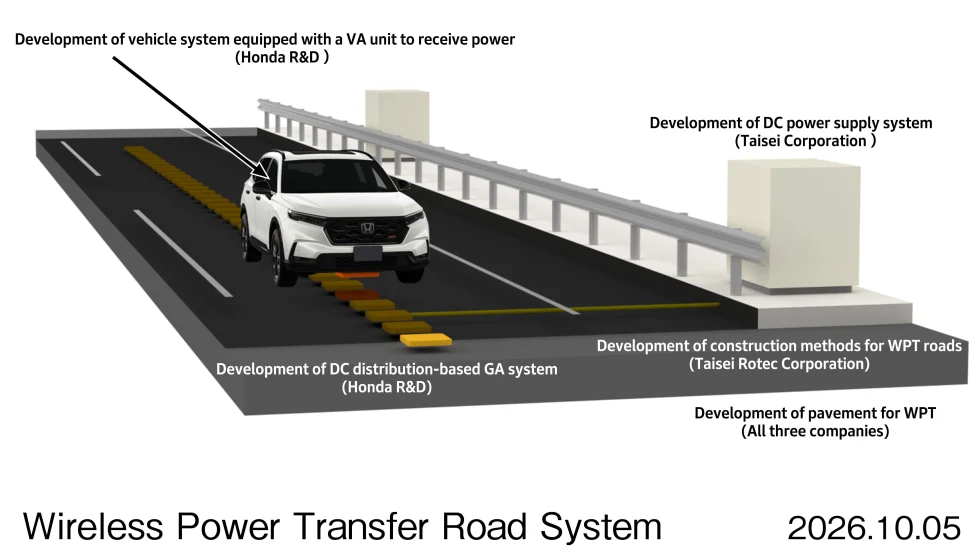
Charging In Motion
Honda has been researching wireless in-motion charging for electric vehicles since 2025, and new technology developments have put it a step closer to a final product.
Read More →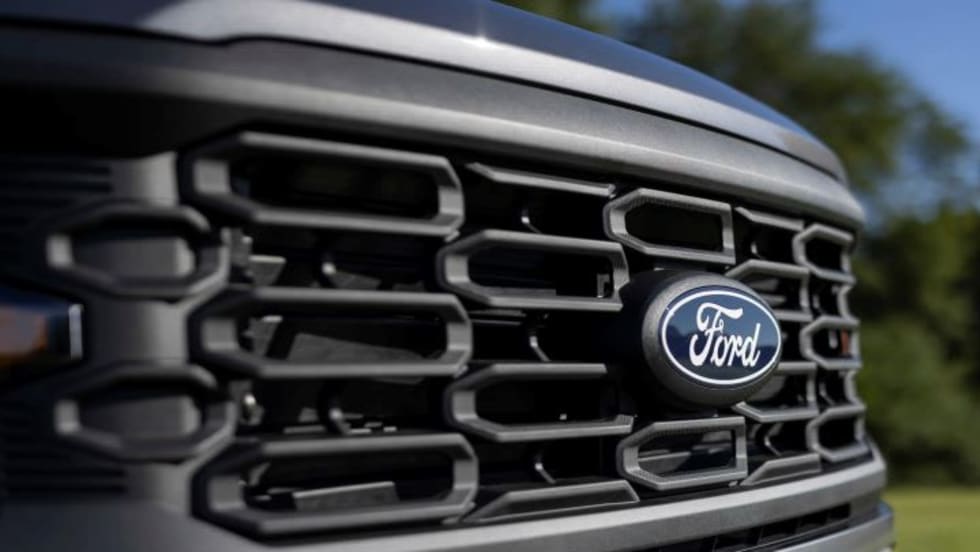
Twin Cities Stores Sell
Minnesota-based Walser Automotive Group made what it called the most significant acquisition in its history with a three-rooftop deal in Minneapolis.
Read More →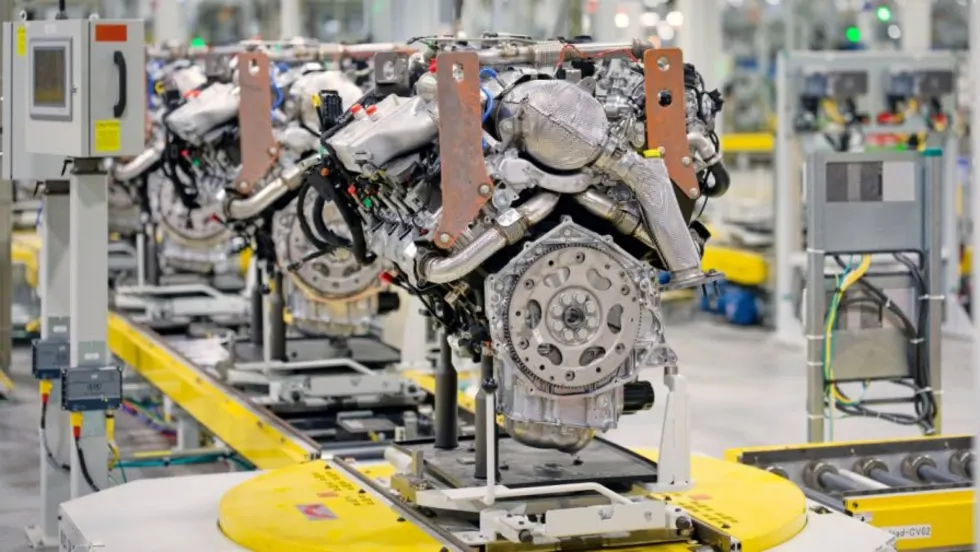
U.S. Auto Sales Still Below Prepandemic Levels
Mobility Global industry observers don’t expect the market to return to the higher volumes that became routine before Covid but to stay well below its potential.
Read More →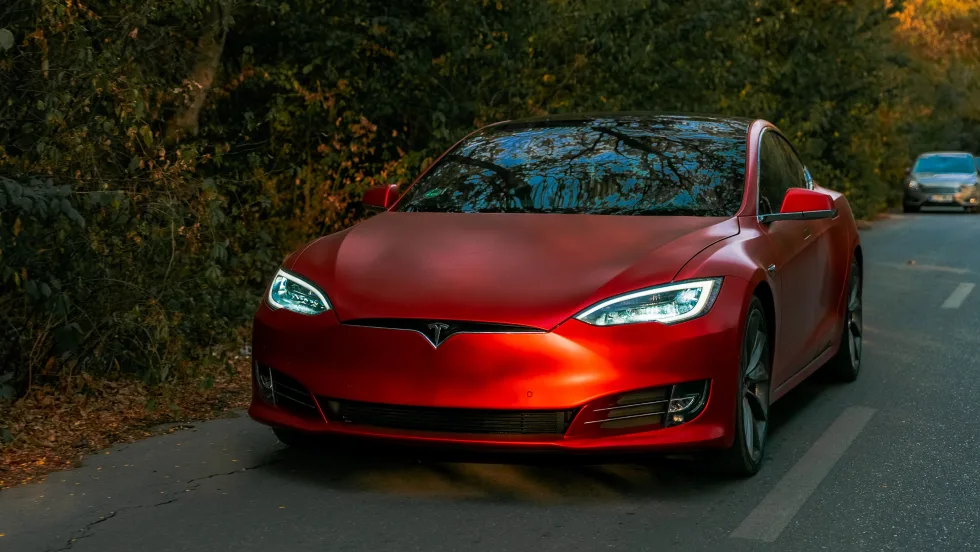
The Powertrain Shift
Electric-vehicle owners are backpedaling, according to new data, with product availability driving many to shift back to gas-powered engines.
Read More →
Achromatic Autos
The shades that dominate the U.S. car market don’t call attention to themselves, though grayscale may have plateaued after a 30-year upswing, research shows.
Read More →
Used-Vehicle Affordability Worsens
Listing prices in August defied seasonal trends, rising above $27,000 for the second time this year.
Read More →