


Japan Rejects Detroit 3 Criticisms of 'Cash for Clunkers' Program

Washington - The Japanese government has rejected criticism that its $3.7 billion "cash for clunkers" program unfairly excludes Detroit's Big Three automakers, reported The Detroit News.
Satoshi Miura, a consular official in the Japanese Embassy in Washington who handles auto issues, said U.S. manufacturers could participate if they followed the same import rules as many others. Instead, U.S. companies opt to use a set of rules that doesn't require the same emissions testing.
"The short answer is Japan believes that our program is fair," Miura said today. "We have our 'cash for clunkers' program, but this is not only about stimulus but also for environmental policy.
"Any car can enjoy this program as long as they satisfy the same fuel efficiency standards, regardless if it is domestic or imported." Miura said 43 percent of imported vehicles qualify for the program in Japan.
In a letter to the deputy U.S. trade representative Thursday, General Motors Co., Ford Motor Co. and Chrysler Group LLC called the program "another example of Japan continuing efforts to discriminate against imported vehicles."
The program makes "the vast majority of imports ineligible for the program's significant tax cut benefit, regardless of the vehicle's fuel efficiency," the letter said.
Japan is providing up to a ¥250,000 ($2,830) tax cut for scrapping a car 13 years old or older toward the purchase of a new vehicle as long as it meets the 2010 fuel efficiency requirements and a ¥100,000 ($1,130) incentive for new vehicle purchasers who do not scrap a vehicle.
Under Japan's program, no U.S. vehicles are eligible because of special import rules; 87 percent of Japanese-built vehicles are eligible. But the Japanese government noted that program is voluntary, and U.S. manufacturers can qualify if they use the same import guidelines that other companies use.
Domestic automakers have long railed over what they call unfair hurdles to selling vehicles in Japan and have been trying to get more access to the market. It's unclear how much a favorable change would boost U.S. exports to Japan.
More Industry
Charger Network Growth Slows
Despite a projected increase in public EV chargers in 2026, charging infrastructure remains a top concern for consumers as the gap between the most and least EV-friendly places remains substantial.
Read More →
Lenders, Consumers Take on More Auto Loan Risk
September records loosened credit access the most in over a decade as buyers took advantage of the conditions to afford trading, though loan applications fell.
Read More →
Next-Gen Hybrids in Sight
Dealerships can expect to see revamped hybrids from Honda next year as the company rolls out a new system and model lineup.
Read More →
Gem State Stores Change Hands
A larger auto group founded in the industry’s early years sold two franchises to a neighbor group that's on a growth spurt.
Read More →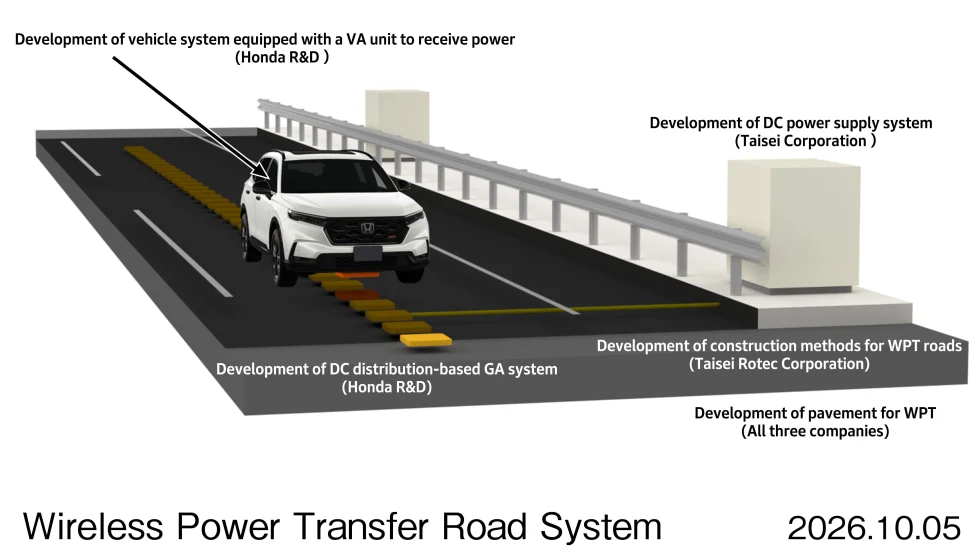
Charging In Motion
Honda has been researching wireless in-motion charging for electric vehicles since 2025, and new technology developments have put it a step closer to a final product.
Read More →
Twin Cities Stores Sell
Minnesota-based Walser Automotive Group made what it called the most significant acquisition in its history with a three-rooftop deal in Minneapolis.
Read More →
U.S. Auto Sales Still Below Prepandemic Levels
Mobility Global industry observers don’t expect the market to return to the higher volumes that became routine before Covid but to stay well below its potential.
Read More →
The Powertrain Shift
Electric-vehicle owners are backpedaling, according to new data, with product availability driving many to shift back to gas-powered engines.
Read More →
Achromatic Autos
The shades that dominate the U.S. car market don’t call attention to themselves, though grayscale may have plateaued after a 30-year upswing, research shows.
Read More →
Used-Vehicle Affordability Worsens
Listing prices in August defied seasonal trends, rising above $27,000 for the second time this year.
Read More →