


J.D. Power: Differing Approaches to Digital Financing Creates Wide Satisfaction Gap

COSTA MESA, Calif. — Digital auto loan applications can lead to improved customer satisfaction, but wide variance in the execution of the digital application process has created a significant performance gap between top and bottom performing finance sources, according to the J.D. Power 2017 U.S. Consumer Financing Satisfaction Study.
The top-performing mass market and luxury finance sources rate significantly higher than the lowest performers (8.75 vs. 7.93 and 8.85 vs. 7.54, respectively, on a 10-point scale) in the most heavily weighted website attribute in the study: range of services that can be performed online.
“With such erratic approaches to digitalization, many auto lenders are failing to successfully capitalize on tremendous cost-cutting opportunities that have proven to boost customer satisfaction,” said Jim Houston, senior director of automotive finance at J.D. Power. “With some lenders varying widely on ease-of-use satisfaction scores for their digital offerings, a huge opportunity is going unmet by many.”
While the digital application channel generates significantly higher levels of overall satisfaction among both mass market and luxury customers, many are waiting longer for a credit decision than those utilizing dealer representatives. According to the study, just 30% of customers applying online received a credit decision within 15 minutes vs. 46% who filled out a paper application with a dealer.
The study also found that time given to make first payment provided the greatest impact on the onboarding experience. High-ranking mass market and luxury finance sources, for instance, performed highest on time given to make first payment, allowing an average lead time of 21.2 days for mass market customers and 18.4 days for luxury customers prior to first payment due date.
Driving the highest customer satisfaction were autopay and web-based payment services, with mass-market customers paying by hard-copy check significantly less satisfied than those using autopay (800 vs. 851, respectively, on a 1,000-point scale).
Lincoln Automotive Financial Services ranked highest among luxury brands with an 890 score, while Lexus Financial Services (875) ranked second and Acura Financial Services (855) ranked third.
Ford Credit ranked highest among mass market brands with a score of 857. BB&T/RAC (855) ranked second and Honda Financial Services (855) ranked third.
The 2017 U.S. Consumer Financing Satisfaction Study measures overall customer satisfaction in four factors: billing and payment process; onboarding process; phone contact; and website. Satisfaction is calculated on a 1,000-point scale. The study is based on responses from more than 14,500 customers who financed a new- or used-car loan or lease within the past four years and was fielded in July to August 2017.
More Industry

Achromatic Autos
The shades that dominate the U.S. car market don’t call attention to themselves, though grayscale may have plateaued after a 30-year upswing, research shows.
Read More →
Used-Vehicle Affordability Worsens
Listing prices in August defied seasonal trends, rising above $27,000 for the second time this year.
Read More →
First-Half Dealership Deals Up
Buy-sell activity shows that acquirers are looking for value and scale as many retailers seek to leave an increasingly competitive and complex market, Kerrigan Advisors reports.
Read More →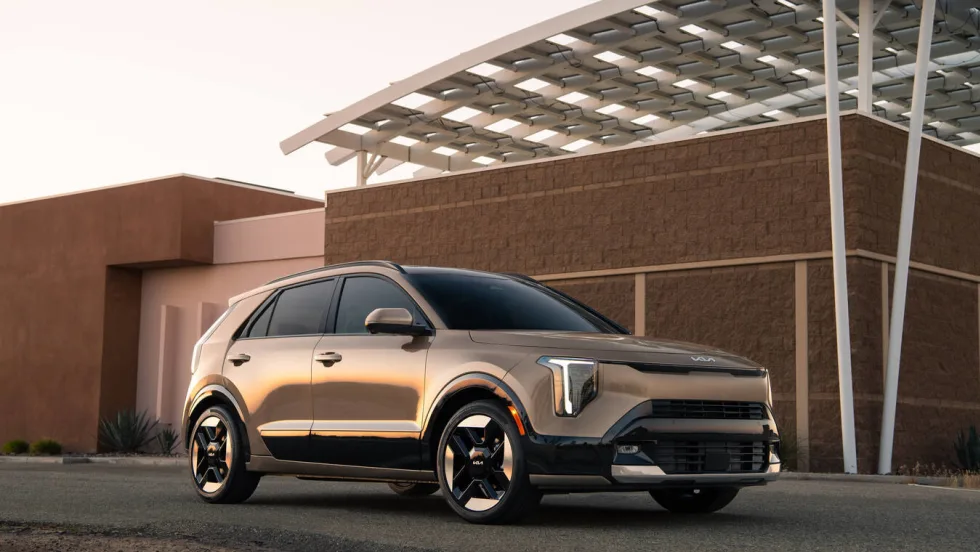
Kia Closes Out Summer With a Bang
Its U.S. subsidiary broke multiple records in August, in part due to a surge of demand for hybrids models.
Read More →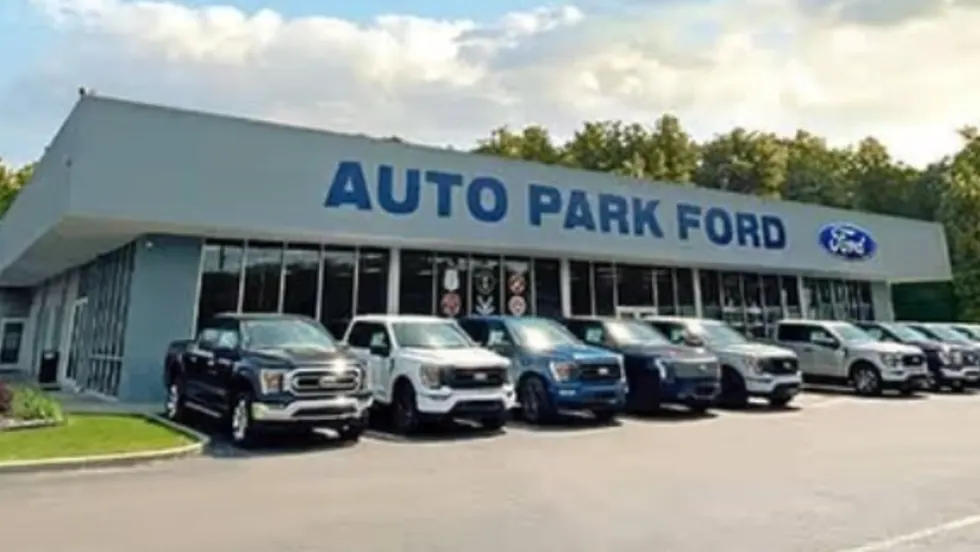
Indiana Dealership Changes Hands
A 30-year-old Ford dealership in Indiana has a new owner and will soon be undergoing renovations to meet manufacturer requirements.
Read More →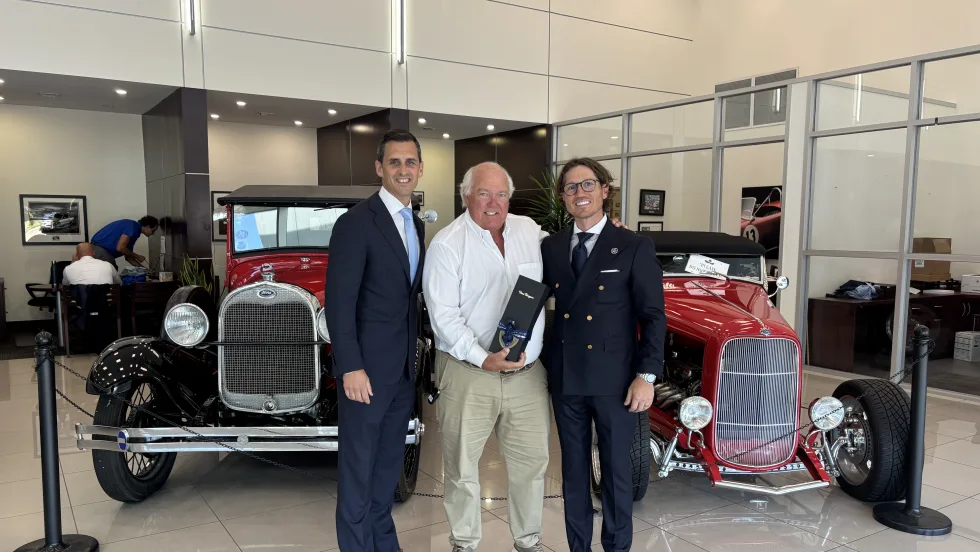
Texas Dealership No Longer in the Family
The Ford store, a longtime cornerstone of the Houston market, is now part of one of the fastest-growing U.S. auto groups.
Read More →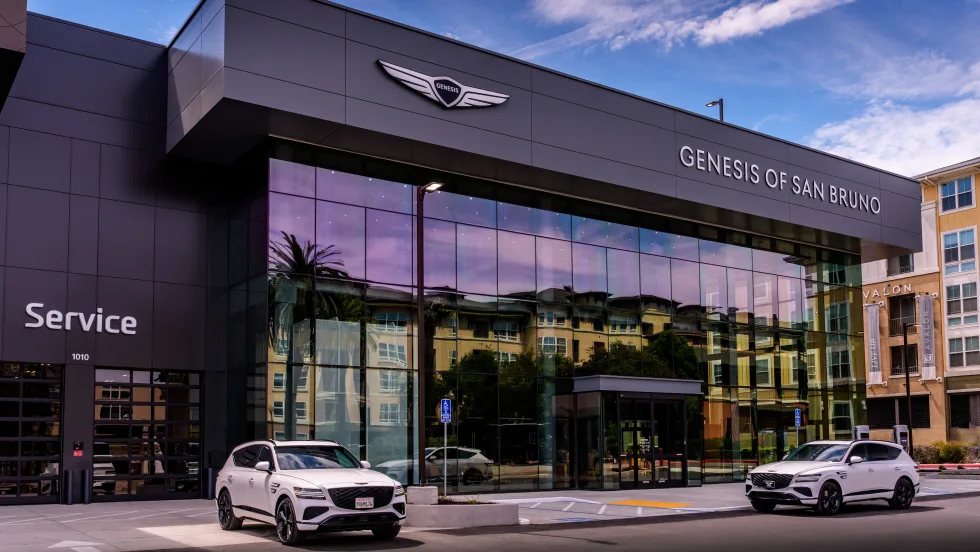
Genesis Grows California Presence
The Cardinale Automotive Group opened its third Genesis rooftop in the Golden State, Genesis of San Bruno, a stand-alone dealership serving the San Francisco Bay Area.
Read More →
August Auto Sales a Mixed Bag
An early forecast shows strong business despite consumer hurdles, and hybrids are a big piece of their affordability coping strategy.
Read More →
EV Market Humming Along
July sales show steady growth as the segment stabilizes from last year’s artificial surge following pullback of federal support.
Read More →
Auto Loan Delinquency Rates Stabilize
Auto loans are a main driver of nonmortgage consumer debt, but delinquency rates stabilized in the second quarter across all credit risk tiers.
Read More →