


J.D. Power: Worst Over for Auto Sales; Slow Climb to 16 Million in 2014

WESTLAKE VILLAGE, Calif. - For those who thought things in the automotive world couldn't get any wilder, a look at recent headlines about Toyota and other auto manufacturers' woes suggests that turmoil and change may be the industry's only constants going forward.
Sales at the beginning of 2010 are sending mixed signals about an impending recovery. Although sales reached the 10.8 million mark in January, they hit a speed bump in February. J.D. Power and Associates suggests these numbers would have been even better, likely pushing past a seasonally adjusted annual sales rate, or SAAR, of 11 million had it not been for the payback from the strong close of 2009 and the ongoing safety crisis enveloping the world's largest automaker.
The situation at Toyota seems unlikely to settle down anytime soon. It's by no means the first time a major maker has found itself at the center of a swirling controversy, and, as before, it could prove the critical test not only of the maker's resources and resourcefulness, but also the loyalty of its buyers.
If nothing else, the latest developments underscore that quality, reliability, dependability, transparency and, of course, safety have only become more important to consumers-and to the best manufacturers. Two of J.D. Power and Associates' senior automotive executives, Jeff Schuster, executive director of automotive forecasting, and Dave Sargent, vice president of vehicle research, lend their thoughts on what the big stories and underlying currents are in the auto industry as we reach the mid-winter point.
Q. How will Toyota's safety-related recalls impact the automaker's image as the industry's quality leader? How will it affect sales, and who might stand to benefit most?
Sargent: Toyota has been a quality leader in the U.S. since J.D. Power started measuring the entire industry in the mid-1980s. Great quality is the cornerstone of how it built its reputation, so it must do everything it can to protect this. Toyota by its own admission was slow in fully reacting to the situation. However, it is clearly taking responsibility for the problems and is taking steps to ensure that its vehicles are safe. This is critical, as regaining its reputation among consumers is more important than short-term sales and profits.
Schuster: How much of an impact this has on sales will no doubt depend on how long the situation continues and how consumers respond to how Toyota is dealing with the recalls. In February, Toyota's total sales were down 11 percent from one year ago. For comparison, the industry was up 13 percent for the same period. Toyota's share of the industry declined to 10.7 percent in February 2010, compared with 13.5 percent in February 2009. There is no question we are seeing a negative impact currently. As the situation drags on, there is an increasing probability that the impact could shift from affecting sales within 2010 alone to a longer-term problem.
Q: We're coming off one of the worst years the auto industry has ever experienced. Is the worst over?
Schuster: No question, 2009 was a difficult year, and we believe the worst is over. We're currently forecasting total auto sales at 11.7 million units, or 9.6 million at the retail level, both representing a 13 percent increase from dismal 2009. That doesn't mean 2010 is without risk. The key variables are the pace of the country's general economic recovery, with a focus on unemployment; the availability of credit; what manufacturers do in terms of pricing and incentives, which they insist they're going to cut; and the general level of consumer confidence.
Q: What does the industry need to do to regain consumer confidence and rebuild demand?
Sargent: The recovery of the industry as a whole is dependent on the wider economic picture, but for individual automakers, the key is to maintain a portfolio of products that meet consumers' needs for value, quality, performance, economy and utility, as well as less tangible attributes such as excellent styling and a strong brand image.
Q: How does the auto industry look beyond 2010? Will we get back to the 16- to 17-million-unit sales levels we saw in 2000 through 2007? Or is there a new norm?
Schuster: We are projecting a slow and steady recovery during the next few years, but we've gone through some significant structural changes that will likely lead to a permanent decline in the level of "normal" sales. We don't expect light-vehicle volumes to cross the 15-million-unit level until 2012, but they should reach 16 million by 2014. This is more of a function of stable replacement demand and the addition of new households, with less focus on fleet sales.
More Industry

Charger Network Growth Slows
Despite a projected increase in public EV chargers in 2026, charging infrastructure remains a top concern for consumers as the gap between the most and least EV-friendly places remains substantial.
Read More →
Lenders, Consumers Take on More Auto Loan Risk
September records loosened credit access the most in over a decade as buyers took advantage of the conditions to afford trading, though loan applications fell.
Read More →
Next-Gen Hybrids in Sight
Dealerships can expect to see revamped hybrids from Honda next year as the company rolls out a new system and model lineup.
Read More →
Gem State Stores Change Hands
A larger auto group founded in the industry’s early years sold two franchises to a neighbor group that's on a growth spurt.
Read More →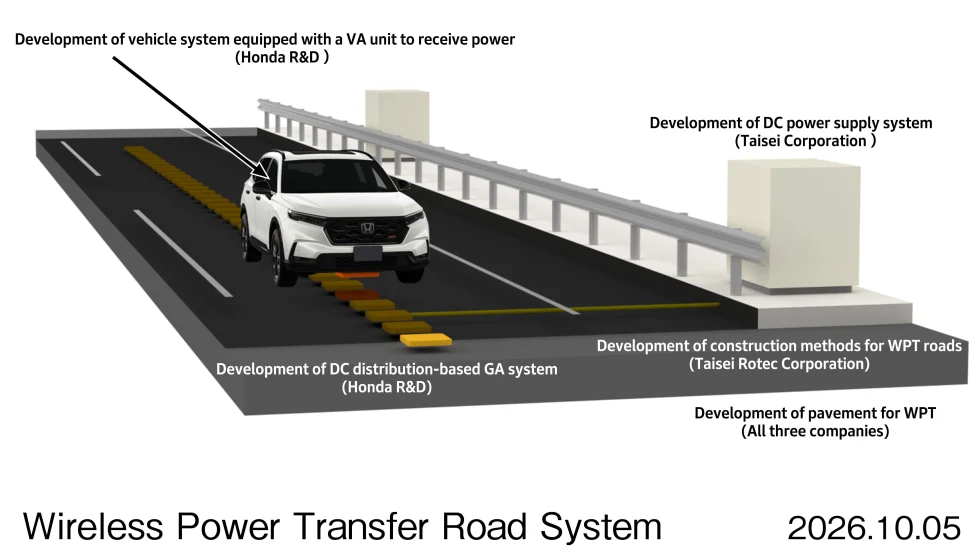
Charging In Motion
Honda has been researching wireless in-motion charging for electric vehicles since 2025, and new technology developments have put it a step closer to a final product.
Read More →
Twin Cities Stores Sell
Minnesota-based Walser Automotive Group made what it called the most significant acquisition in its history with a three-rooftop deal in Minneapolis.
Read More →
U.S. Auto Sales Still Below Prepandemic Levels
Mobility Global industry observers don’t expect the market to return to the higher volumes that became routine before Covid but to stay well below its potential.
Read More →
The Powertrain Shift
Electric-vehicle owners are backpedaling, according to new data, with product availability driving many to shift back to gas-powered engines.
Read More →
Achromatic Autos
The shades that dominate the U.S. car market don’t call attention to themselves, though grayscale may have plateaued after a 30-year upswing, research shows.
Read More →
Used-Vehicle Affordability Worsens
Listing prices in August defied seasonal trends, rising above $27,000 for the second time this year.
Read More →