


Low Inventory Levels Drive Down September SAAR to 12.2 Million Units
September new light-vehicle sales fell for the 5th consecutive month to a SAAR of 1.2 million units, reported the National Automobile Dealers Association (NADA).

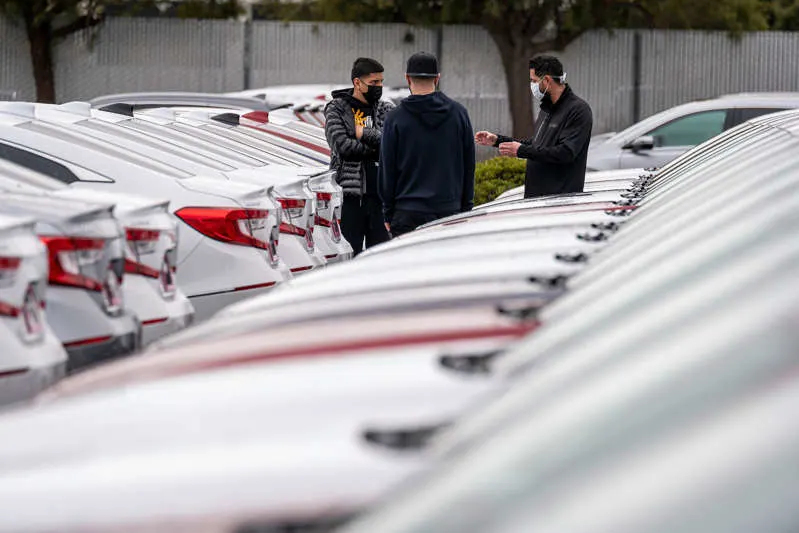
NBC San Diego
September new light-vehicle sales fell for the 5th consecutive month to a SAAR of 1.2 million units, reported the National Automobile Dealers Association (NADA).
This is the lowest the SAAR has been since May 2020’s SAAR of 12.1 million units.
J.D. Power cites tight inventories that have limited both fleet and retail sales as the reason for the dip, with the organization noting that fleet sales accounted for just 12% of total sales volume.
The automotive industry kicked off September with record low inventory levels of 1.06 million units. Analysts expect that figure to show little change when month-end data rolls in.
Unprecedented demand would push sales rates closer to 17 million units, but limited inventory levels continue to cap light-vehicle sales.
Average transaction prices continued their upward climb in response to heightened consumer demand, limited vehicle availability, and significantly reduced incentive spending. J.D. Power predicts average transaction prices will jump to $42,800—another all-time high and representing the fourth consecutive month average transaction prices will exceed $40,000.
However, average incentive spending is expected to hit an all-time low at $1,755, down $2,037 from September 2020.
The trend for dealerships to sell cars very quickly once they receive them also persists. The average time a new vehicle sat on a dealership lot fell to 23 days in September, down from 25 days in August, and 54 days in September 2020, according to J.D. Power.
The microchip shortage continues to wreak havoc on the industry, costing the global automotive industry 9+ million units of production; a loss of 1.2 million more than expected. In North America, vehicle production is down by over 2.9 vehicles, with a drop of 300,000 units likely.
Experts forecast inventory levels will not change much in October and that fourth-quarter sales will be lower than expected as the chip shortage persists.
“Because of the reduced sales pace seen in third-quarter 2021 and a dour outlook for sales and production in the fourth quarter, we have reduced our full-year sales forecast to 15.2 units,” NADA reported.
Originally posted on Auto Dealer Today
More Industry
Charger Network Growth Slows
Despite a projected increase in public EV chargers in 2026, charging infrastructure remains a top concern for consumers as the gap between the most and least EV-friendly places remains substantial.
Read More →
Lenders, Consumers Take on More Auto Loan Risk
September records loosened credit access the most in over a decade as buyers took advantage of the conditions to afford trading, though loan applications fell.
Read More →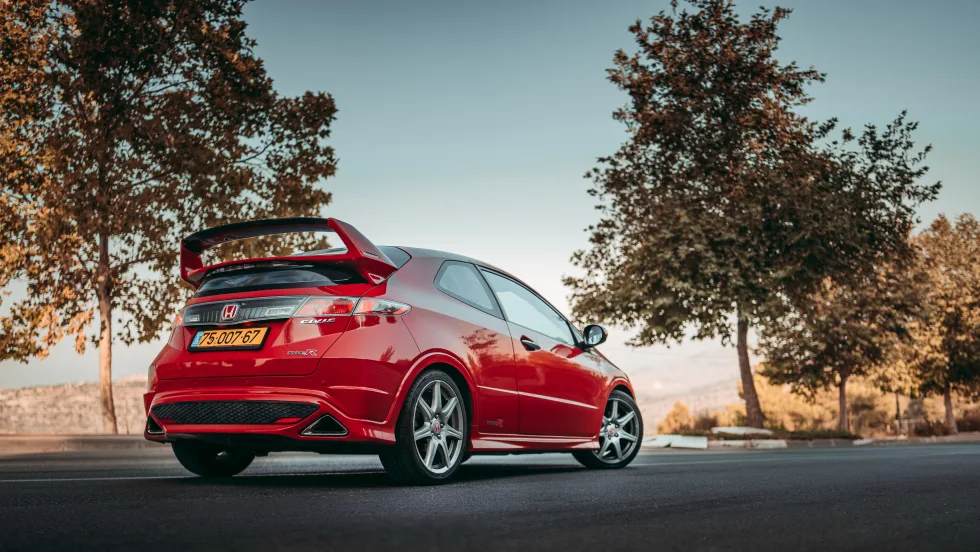
Next-Gen Hybrids in Sight
Dealerships can expect to see revamped hybrids from Honda next year as the company rolls out a new system and model lineup.
Read More →
Gem State Stores Change Hands
A larger auto group founded in the industry’s early years sold two franchises to a neighbor group that's on a growth spurt.
Read More →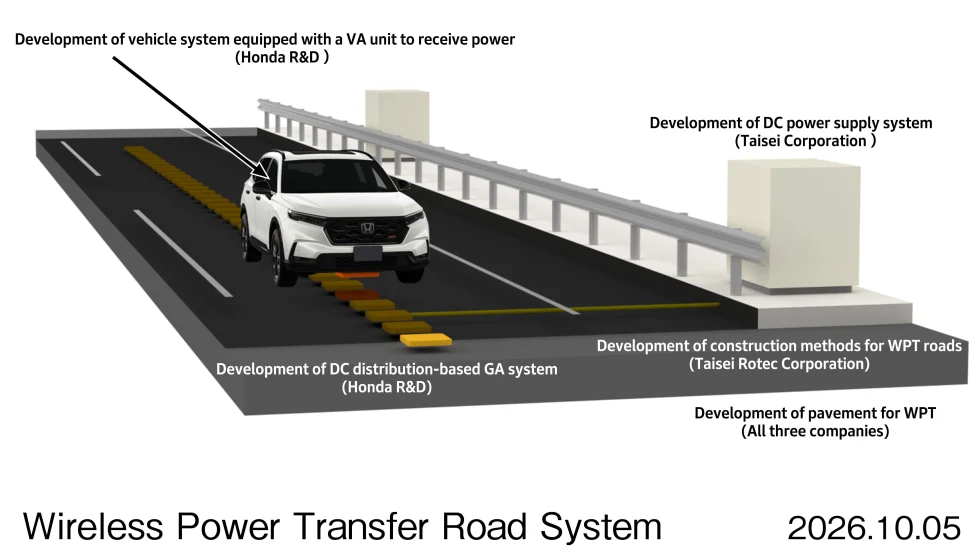
Charging In Motion
Honda has been researching wireless in-motion charging for electric vehicles since 2025, and new technology developments have put it a step closer to a final product.
Read More →
Twin Cities Stores Sell
Minnesota-based Walser Automotive Group made what it called the most significant acquisition in its history with a three-rooftop deal in Minneapolis.
Read More →
U.S. Auto Sales Still Below Prepandemic Levels
Mobility Global industry observers don’t expect the market to return to the higher volumes that became routine before Covid but to stay well below its potential.
Read More →
The Powertrain Shift
Electric-vehicle owners are backpedaling, according to new data, with product availability driving many to shift back to gas-powered engines.
Read More →
Achromatic Autos
The shades that dominate the U.S. car market don’t call attention to themselves, though grayscale may have plateaued after a 30-year upswing, research shows.
Read More →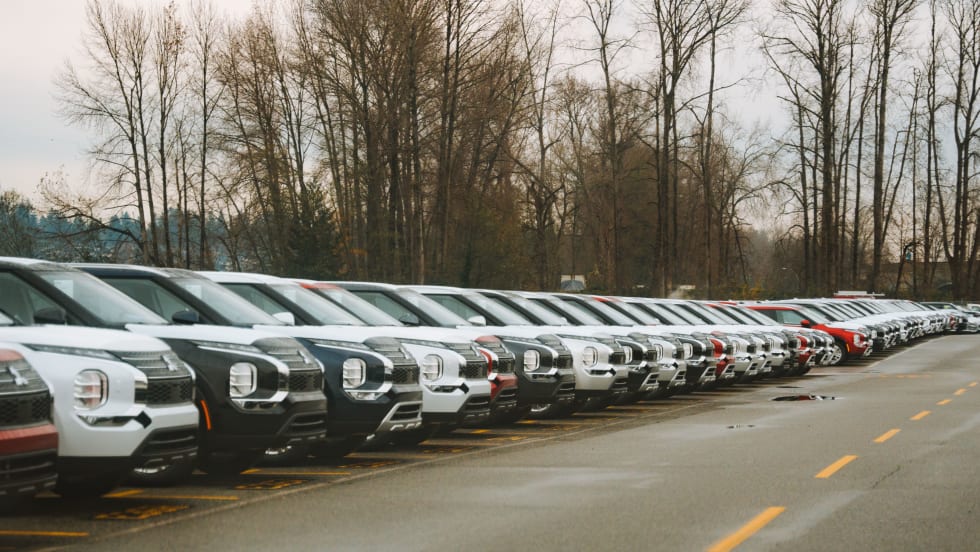
Used-Vehicle Affordability Worsens
Listing prices in August defied seasonal trends, rising above $27,000 for the second time this year.
Read More →