


Mexico Expects US to Comply with Rules in New North American Trade Pact
The countries are at odds over a USMCA requirement that auto manufacturers to meet a 75% threshold for North American content for vehicles to qualify for tariff-free trade within the region.

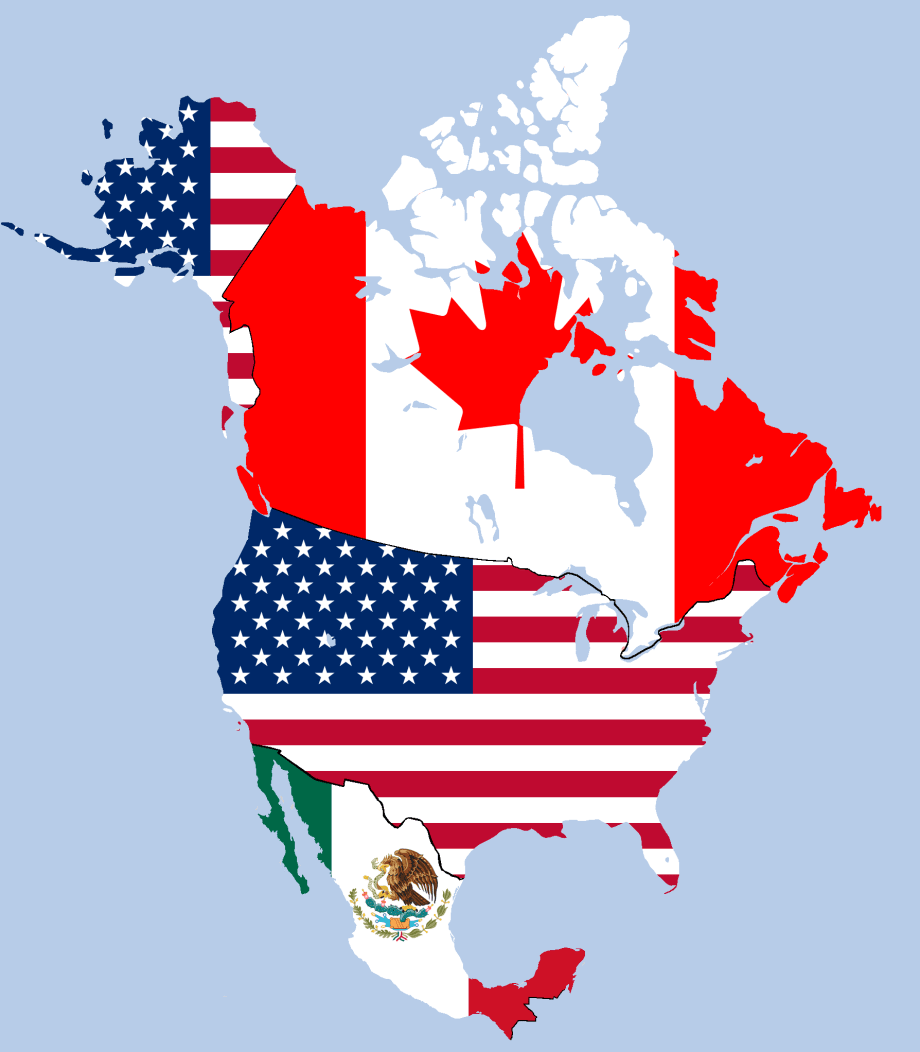
Wikipedia
Mexico expects the United States to comply with automotive rules in the new North American trade pact, a senior official said.
The statement clouds the high-level talks between the two countries taking place next week.
Mexico and Canada have been at odds for months with the United States over how to apply regional content requirements for the auto industry. The requirements are a cornerstone of the 2020 United States-Mexico-Canada Agreement (USMCA) trade pact.
The countries favor a flexible interpretation of the rules over the firmer one taken by U.S. officials.
When Reuters asked Deputy Economy Minister Luz Maria de la Mora whether the countries could use a new method to avoid taking the dispute to an international tribunal, he said:
“No, because we’re not renegotiating (USMCA). It’s about honoring what was agreed in the treaty."
She noted that the agreement text made its scope very clear. She noted differences between how the United States and Mexico interpreted the issue began while the Trump Administration remained in office.
USMCA, which replaced the 1994 North American Free Trade Agreement (NAFTA), requires auto manufacturers to meet a 75% threshold for North American content for vehicles to qualify for tariff-free trade within the region. Under NAFTA, the content threshold stood at 62.5%.
U.S. and Mexican diplomats will restart high-level economic dialogue on Sept. 16.
Mexican Economy Minister Tatiana Clouthier will take part in the talks.
Making rules tougher than what USMCA requires risked backfiring on the industry, reducing competitiveness, raising costs and making the region “less attractive for investment and production,” de la Mora said.
Disputes over content requirements fan uncertainty and could benefit suppliers from other parts of the world with laxer rules like South Korea, she said.
Mexico’s President Andres Manuel Lopez Obrador predicted the dispute will not end up before an international tribunal, and expressed optimism that the countries could reach an agreement soon.
Originally posted on Auto Dealer Today
More Industry

Achromatic Autos
The shades that dominate the U.S. car market don’t call attention to themselves, though grayscale may have plateaued after a 30-year upswing, research shows.
Read More →
Used-Vehicle Affordability Worsens
Listing prices in August defied seasonal trends, rising above $27,000 for the second time this year.
Read More →
First-Half Dealership Deals Up
Buy-sell activity shows that acquirers are looking for value and scale as many retailers seek to leave an increasingly competitive and complex market, Kerrigan Advisors reports.
Read More →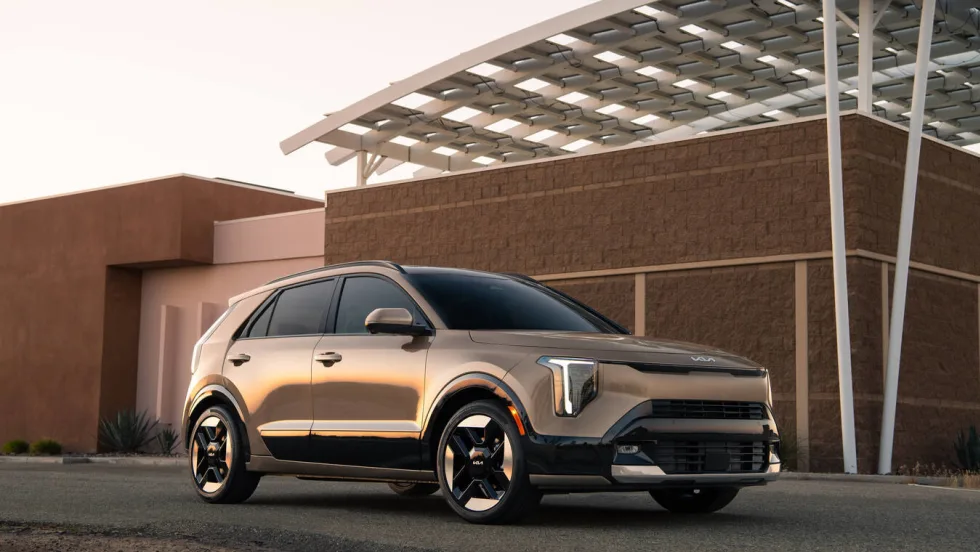
Kia Closes Out Summer With a Bang
Its U.S. subsidiary broke multiple records in August, in part due to a surge of demand for hybrids models.
Read More →
Indiana Dealership Changes Hands
A 30-year-old Ford dealership in Indiana has a new owner and will soon be undergoing renovations to meet manufacturer requirements.
Read More →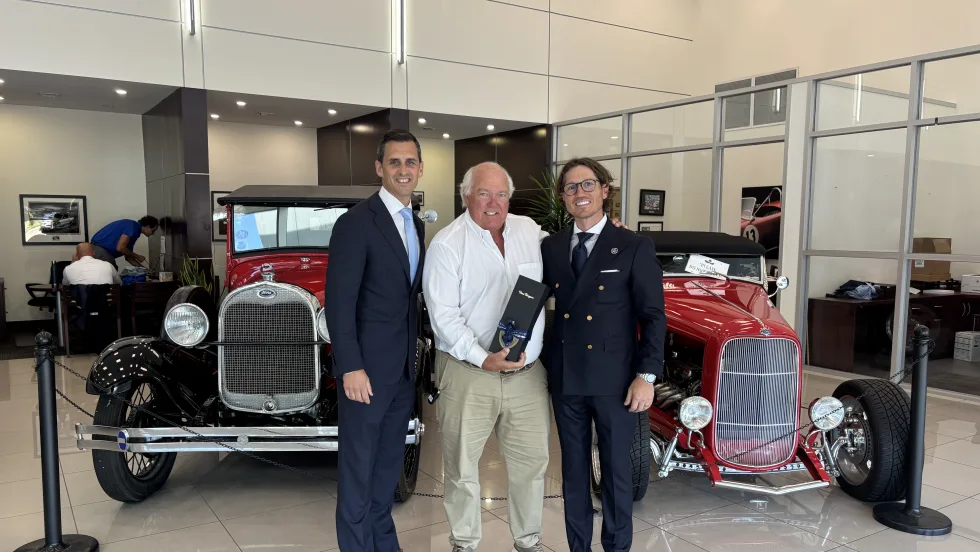
Texas Dealership No Longer in the Family
The Ford store, a longtime cornerstone of the Houston market, is now part of one of the fastest-growing U.S. auto groups.
Read More →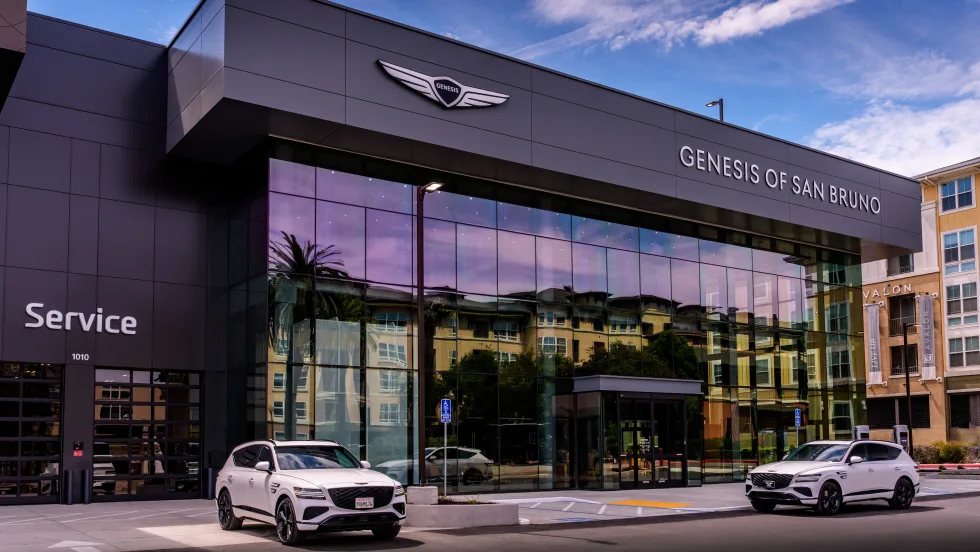
Genesis Grows California Presence
The Cardinale Automotive Group opened its third Genesis rooftop in the Golden State, Genesis of San Bruno, a stand-alone dealership serving the San Francisco Bay Area.
Read More →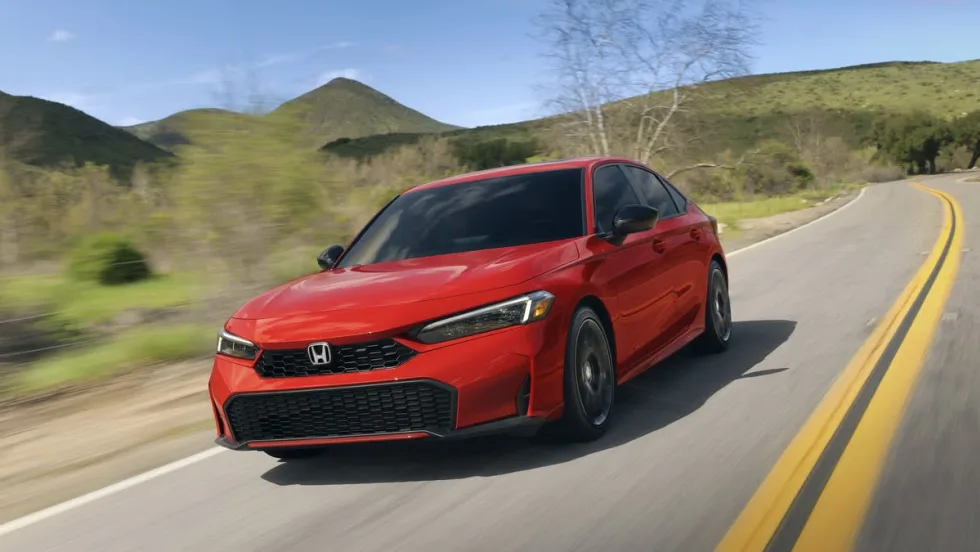
August Auto Sales a Mixed Bag
An early forecast shows strong business despite consumer hurdles, and hybrids are a big piece of their affordability coping strategy.
Read More →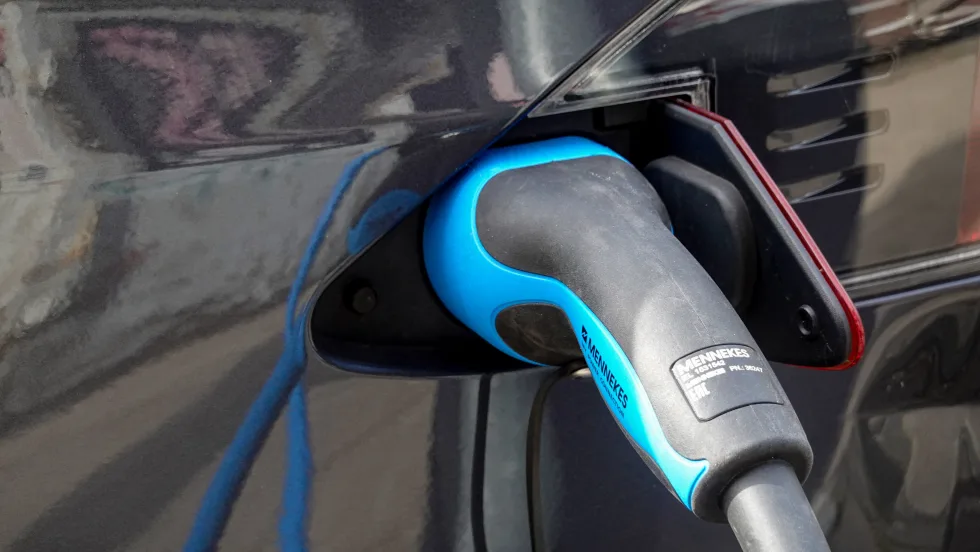
EV Market Humming Along
July sales show steady growth as the segment stabilizes from last year’s artificial surge following pullback of federal support.
Read More →
Auto Loan Delinquency Rates Stabilize
Auto loans are a main driver of nonmortgage consumer debt, but delinquency rates stabilized in the second quarter across all credit risk tiers.
Read More →