


Moody's Lifts Ford Debt Rating

Ford Motor Co. achieved a key financial goal on Tuesday as Moody's Investors Service raised the auto maker's debt rating to investment grade, its second such upgrade in a month.
The move by Moody's to lift Ford's debt one notch to Baa3, the lowest tier in its investment grade ranking, releases Ford's most important assets as collateral for its outstanding loans and could result in lower interest costs for new debt. Fitch Ratings also upgraded the company last month, according to The Wall Street Journal.
The upgrades mean the Blue Oval, Ford's trademarked symbol, can't be seized if the company defaulted on its debts. Chairman Bill Ford Jr. signed off on a $23.5 billion package of loans in 2006 that put virtually all of the company's assets, including its trademark, up as collateral. The final vestiges of that loan have now been removed.
Ford's most actively-traded bond soared on Tuesday with yields plummeting about 100 basis points. Ford Motor Credit Co. 3.875 percent bonds due 2015 jumped $3.50 per $100 of face value to $104 following the upgrade. The spread to comparable U.S. Treasurys declined 108 basis points to just 189 bps, the lowest since it was issued. With two investment-grade ratings, the bonds are now eligible for inclusion in high-grade bond indexes.
The debt upgrade "was way up there on the highlight film," said Chief Executive Officer Alan Mulally on a conference call on Tuesday. When the company borrowed the money, "we knew that a very important milestone was going to be getting back to investment grade."
Mr. Ford disclosed the upgrade to all employees over the broadcast system, normally reserved for emergency drills, and the executives were planning to be photographed in front of the company's headquarters with the entire corporate staff.
"When we pledged the Blue Oval it was enormously emotional. This is one of the best days I can remember," Mr. Ford said.
The push by Ford back into investment grade came largely from its impressive financial performance in North America, the same place that used to be its biggest anchor. A few weeks ago, Ford reported a $1.4 billion first quarter profit and a strong, 11 percent profit margin in its North American region.
The margin was viewed as a significant achievement by analysts. And Moody's said its restructuring efforts in its home market were key in moving the auto maker out of "junk" status.
"The key factor in our considering an investment-grade rating for Ford was whether or not the company would be able to sustain its strong performance," said Moody's Senior Vice President Bruce Clark. "We concluded that the improvements Ford has made are likely to be lasting."
The ratings firm said one of Ford's key strengths is its low North American breakeven level. Moody's noted that since the 2009 restructuring of the U.S. auto industry and the adoption of a new labor agreement, Ford's North American annual breakeven level has declined by approximately 45 percent to 1.8 million units.
Ford's Chief Financial Officer Bob Shanks said it can make money in the U.S. even at industry sales of 10 million units, which is the deep low level that the industry had in 2009 that drove General Motors Co. and Chrysler Group LLC into government-backed bankruptcy restructurings.
Moody's noted that for the 12 months March 2012, Ford's North American wholesale shipments were 50 percent above its estimated breakeven point. Moody's said this large margin as well as the improving outlook for U.S. auto demand and the $6.2 billion in North America's segment profits last year reflect a healthy and sustainable business position.
Ford shares were off a penny at $10.19, while GM's shares were off by 4 cents to $21.50, both in 4 p.m. New York Stock Exchange trading.
More Industry
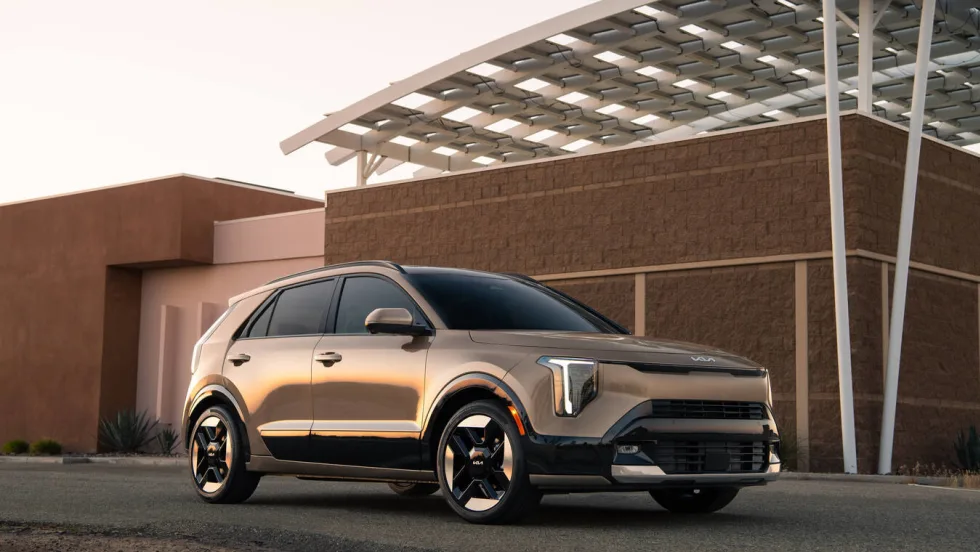
Kia Closes Out Summer With a Bang
Its U.S. subsidiary broke multiple records in August, in part due to a surge of demand for hybrids models.
Read More →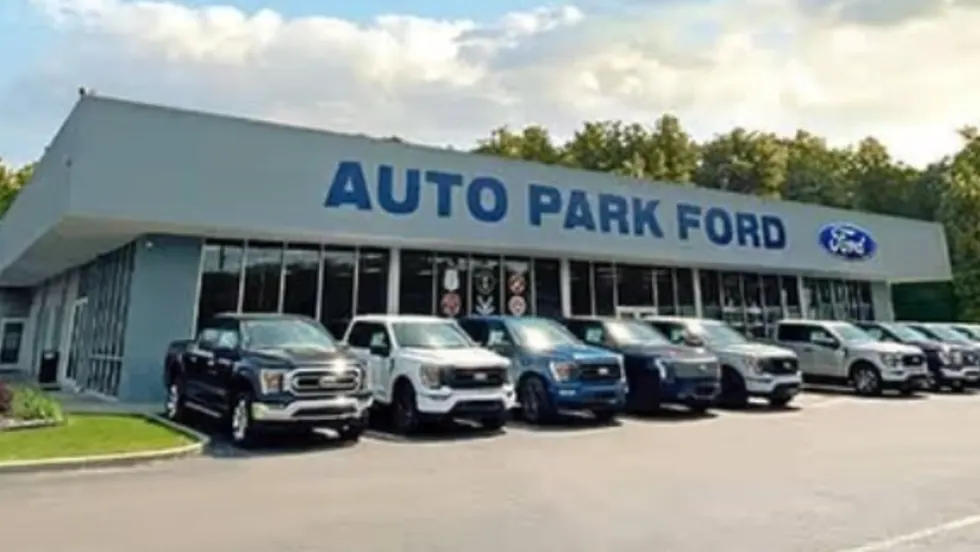
Indiana Dealership Changes Hands
A 30-year-old Ford dealership in Indiana has a new owner and will soon be undergoing renovations to meet manufacturer requirements.
Read More →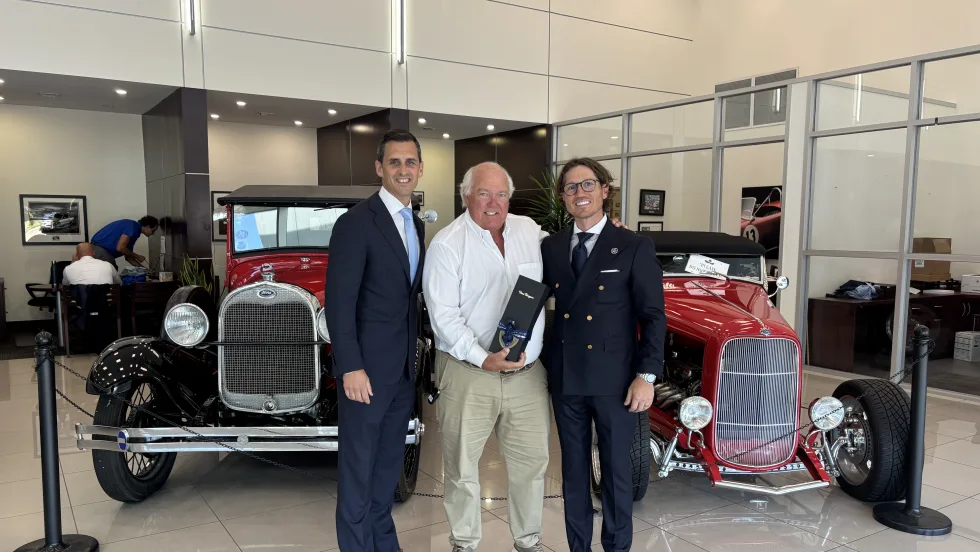
Texas Dealership No Longer in the Family
The Ford store, a longtime cornerstone of the Houston market, is now part of one of the fastest-growing U.S. auto groups.
Read More →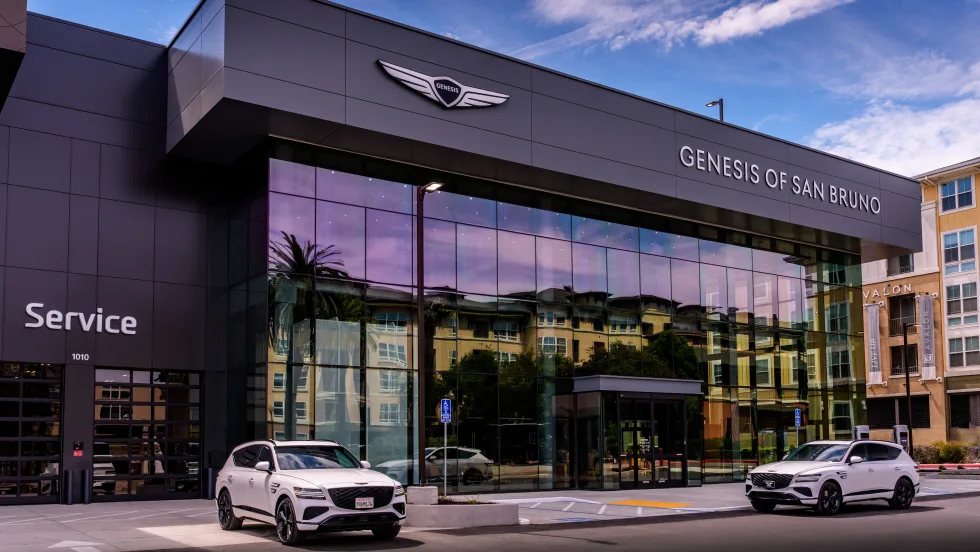
Genesis Grows California Presence
The Cardinale Automotive Group opened its third Genesis rooftop in the Golden State, Genesis of San Bruno, a stand-alone dealership serving the San Francisco Bay Area.
Read More →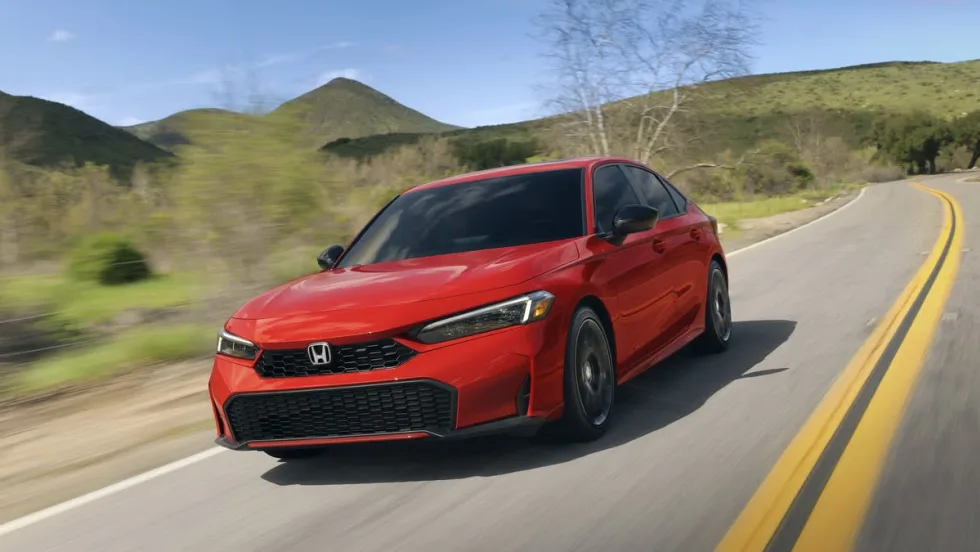
August Auto Sales a Mixed Bag
An early forecast shows strong business despite consumer hurdles, and hybrids are a big piece of their affordability coping strategy.
Read More →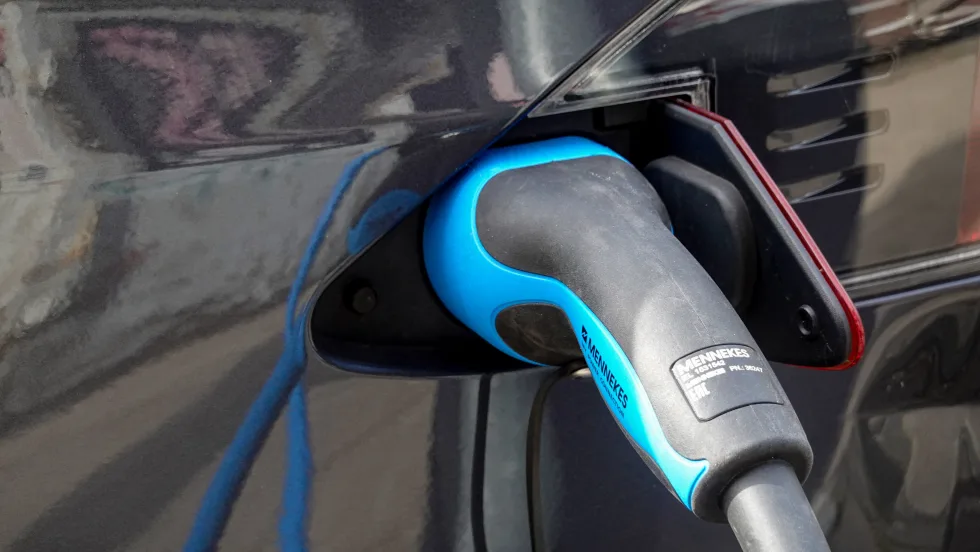
EV Market Humming Along
July sales show steady growth as the segment stabilizes from last year’s artificial surge following pullback of federal support.
Read More →
Auto Loan Delinquency Rates Stabilize
Auto loans are a main driver of nonmortgage consumer debt, but delinquency rates stabilized in the second quarter across all credit risk tiers.
Read More →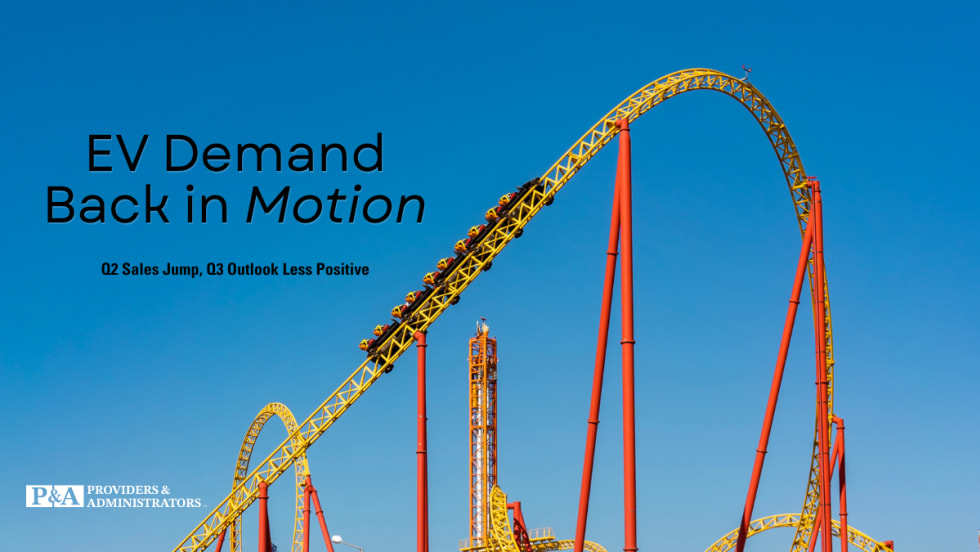
EV Sales Recover in Q2
The EV sales roller coaster continues as numbers show improvement, but industry experts predict a year-over-year third-quarter decline and fourth-quarter jump.
Read More →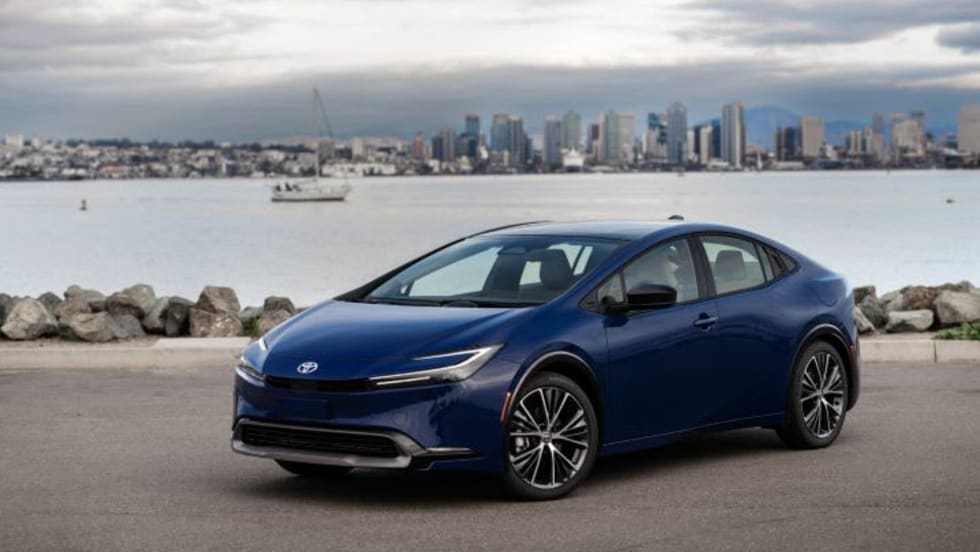
The Cheapest Hybrids to Fuel
The powertrain is increasing in popularity, in no small part due to its fuel economy. A new report lists the most efficient hybrids on the market.
Read More →
Hybrids and SUVs Gaining Ground
The most recent Kelley Blue Book Brand Watch found that only two nonluxury brands increased in shopper consideration, buoyed by their hybrid and SUV offerings.
Read More →