


New-Car Affordability Better But Still Worse Year-Over-Year
Multiple factors drive down purchase costs, which is still well above what most households can afford.

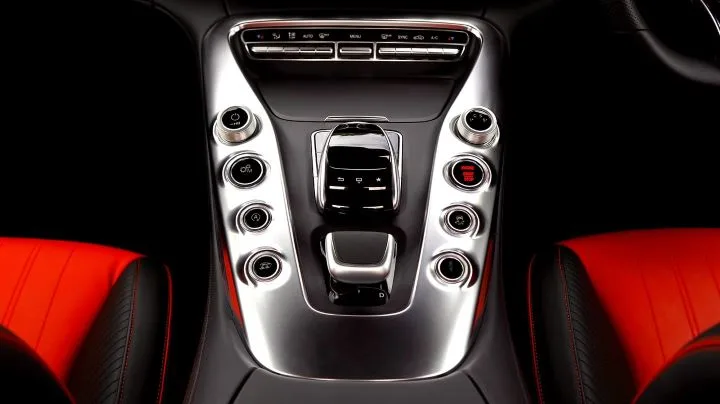
The estimated average monthly payment dropped to $765, still well above what average U.S. households can afford.
IMAGE: Pixabay/Mikes-Photography
The average monthly new-vehicle payment fell in February due to a mix of factors driving down the cost of ownership, though affordability remained worse than a year earlier and still well above what the typical U.S. household can afford.
The estimated average monthly payment was at its lowest since October, falling about 2% month-over-month to $765 after peaking in December at $789, according to the Cox Automotive/Moody’s Analytics Vehicle Affordability Index.
Consequently, the estimated weeks of median income needed to buy the average new model dropped from 44.2 in January to 43.2, still up 7% year-over-year.
Cox credited not just lower vehicle prices but also more incentives, growing consumer incomes, and a lowered average loan rate, for increased affordability.
The median income increased slightly by 0.3%, while Kelley Blue Book data show manufacturer incentives also increased and the average new-vehicle transaction price fell 1.4%. Meanwhile, the average new-vehicle loan interest rate fell to 9.2%.
Despite the affordability improvements, Cox Chief Economist Jonathan Smoke said the typical U.S. household can afford just $400 worth of vehicle loan payment per month.
“With an average monthly payment of nearly twice that,” he said, “the new-vehicle market remains heavily skewed toward the most affluent buyers.”
A year earlier, incentives were more plentiful and new-car prices and loan rates lower, as the Federal Reserve has since raised borrowing rates multiple times.
LEARN MORE: Auto Shoppers' Woes to Continue in 2023
Originally posted on Auto Dealer Today
More Industry
The Powertrain Shift
Electric-vehicle owners are backpedaling, according to new data, with product availability driving many to shift back to gas-powered engines.
Read More →
Achromatic Autos
The shades that dominate the U.S. car market don’t call attention to themselves, though grayscale may have plateaued after a 30-year upswing, research shows.
Read More →
Used-Vehicle Affordability Worsens
Listing prices in August defied seasonal trends, rising above $27,000 for the second time this year.
Read More →
First-Half Dealership Deals Up
Buy-sell activity shows that acquirers are looking for value and scale as many retailers seek to leave an increasingly competitive and complex market, Kerrigan Advisors reports.
Read More →
Kia Closes Out Summer With a Bang
Its U.S. subsidiary broke multiple records in August, in part due to a surge of demand for hybrids models.
Read More →
Indiana Dealership Changes Hands
A 30-year-old Ford dealership in Indiana has a new owner and will soon be undergoing renovations to meet manufacturer requirements.
Read More →
Texas Dealership No Longer in the Family
The Ford store, a longtime cornerstone of the Houston market, is now part of one of the fastest-growing U.S. auto groups.
Read More →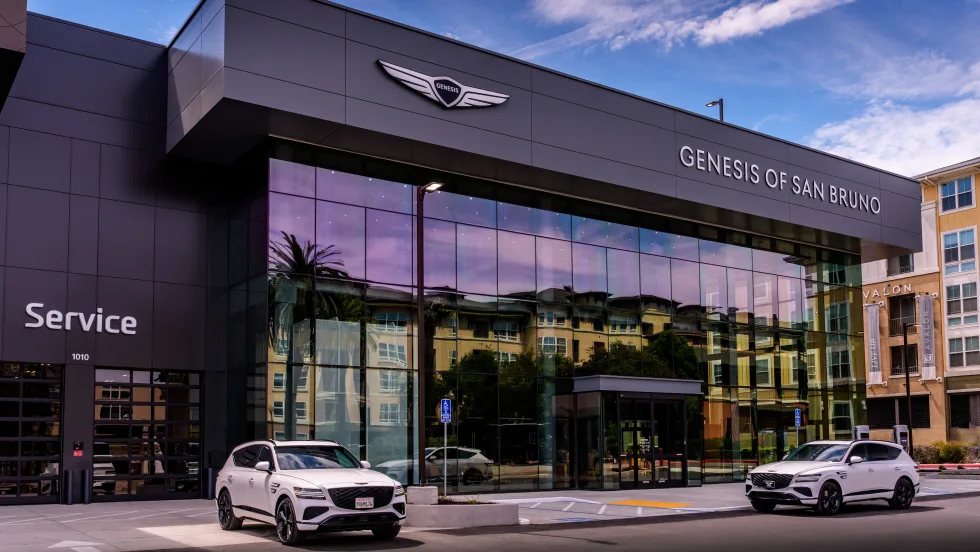
Genesis Grows California Presence
The Cardinale Automotive Group opened its third Genesis rooftop in the Golden State, Genesis of San Bruno, a stand-alone dealership serving the San Francisco Bay Area.
Read More →
August Auto Sales a Mixed Bag
An early forecast shows strong business despite consumer hurdles, and hybrids are a big piece of their affordability coping strategy.
Read More →
EV Market Humming Along
July sales show steady growth as the segment stabilizes from last year’s artificial surge following pullback of federal support.
Read More →