


New Cars Now Out of Reach for Many?
Report suggests middle-class norm becoming harder to achieve.


The prevailing conditions are translating to wealthy consumers buying a bigger share of new cars.
IMAGE: Kris Lucas
A recent Bloomberg report characterized pandemic-era car price trends as a permanent shift and declared that owning a new car has become a reality only for the rich instead of the middle-class norm it’s been for decades.
Citing U.S. Bureau of Labor Statistics data, along with other sources, the news provider pointed out that average monthly new-car loan payments in the U.S. stayed at about $400 for a decade. Now they stand at a record $777, almost double the level in late 2019, shortly before the pandemic, it said, citing Cox Automot ive figures.
That level of expense for one vehicle is at the limit of how much the typical U.S. household can afford and cover other expenses, Cox Chief Economist Jonathan Smoke told Bloomberg.
“The idea of a new car in every American’s driveway is not the world we live in,” Cox Senior Economist Charlie Chesbrough said.
According to J.P. Morgan, the average new-car price in the U.S. is nearly $50,000, a 30% spike from 2019, Bloomberg said. A used model averages about $27,000, according to a Cox statistic.
Carmakers are focusing on producing fewer and more expensive models, Bloomberg said, pointing out that Ford’s gross profit rose 4.4% year-over-year in 2022 and General Motors’ adjusted earnings rose about $200 million, even as automakers as a whole sold 8% fewer vehicles, the least in a decade.
Similar trends have taken shape in Europe and Asia, the publication reported. For example, new-car prices in Europe are at all-time highs.
And it looks like, despite recently increased inventories and slightly lower prices as a result, pricing won’t return to prepandemic normals, Bloomberg said. Before, U.S. manufacturers produced as much as they could and offered generous incentives to buyers in order to sell as many units as possible, maintaining up to 100 days’ worth of inventory. In January, U.S., supply stood at 57 days’ worth, according to Cox. Bloomberg said that’s in order for manufacturers to keep overhead low and prices elevated.
“We’ll never go back to the inventory levels that we were at in the past,” GM CEO Mary Barra told investors last year.
Ford, Toyota and Nissan have said they plan to avoid keeping billions of dollars in inventory on hand or offering buyer incentives to thin it.
Still, as inventories increase due to easing of supply-chain slowdowns, some carmakers have said new-car prices should fall. But the chip shortage is projected to continue, keeping them from falling dramatically. Used-car prices should drop only about 4% this year, partly because leasing is down, Smoke at Cox told Bloomberg.
The prevailing conditions are translating to wealthy consumers buying a bigger share of new cars. Almost 30% are in households earning more than $150,000 a year, up from 22% in 2016, Bloomberg said, citing consultant AlixPartners.
“The bottom part of the market sort of fell out,” said AlixPartners Managing Director Mark Wakefield.
LEARN MORE: Inventory Dips in January
Originally posted on Auto Dealer Today
More Industry
Charger Network Growth Slows
Despite a projected increase in public EV chargers in 2026, charging infrastructure remains a top concern for consumers as the gap between the most and least EV-friendly places remains substantial.
Read More →
Lenders, Consumers Take on More Auto Loan Risk
September records loosened credit access the most in over a decade as buyers took advantage of the conditions to afford trading, though loan applications fell.
Read More →
Next-Gen Hybrids in Sight
Dealerships can expect to see revamped hybrids from Honda next year as the company rolls out a new system and model lineup.
Read More →
Gem State Stores Change Hands
A larger auto group founded in the industry’s early years sold two franchises to a neighbor group that's on a growth spurt.
Read More →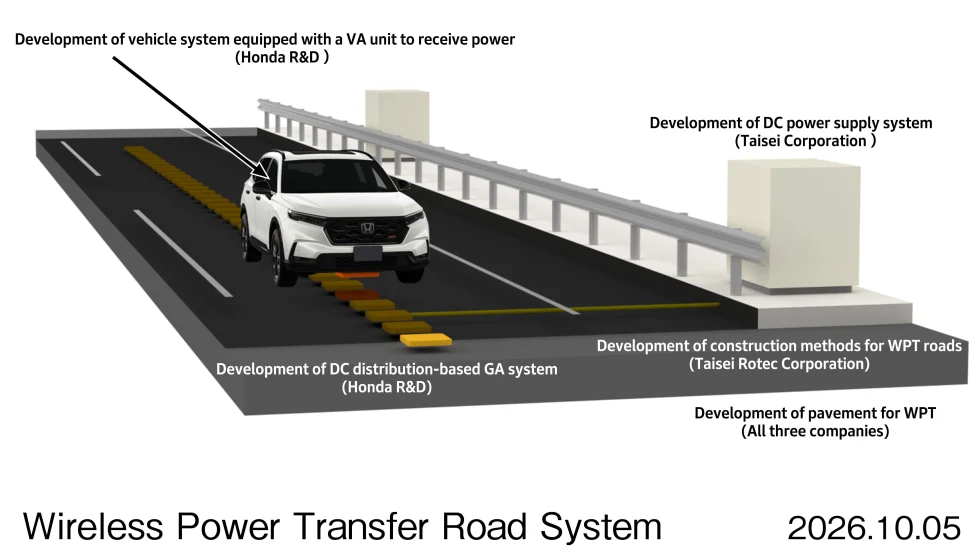
Charging In Motion
Honda has been researching wireless in-motion charging for electric vehicles since 2025, and new technology developments have put it a step closer to a final product.
Read More →
Twin Cities Stores Sell
Minnesota-based Walser Automotive Group made what it called the most significant acquisition in its history with a three-rooftop deal in Minneapolis.
Read More →
U.S. Auto Sales Still Below Prepandemic Levels
Mobility Global industry observers don’t expect the market to return to the higher volumes that became routine before Covid but to stay well below its potential.
Read More →
The Powertrain Shift
Electric-vehicle owners are backpedaling, according to new data, with product availability driving many to shift back to gas-powered engines.
Read More →
Achromatic Autos
The shades that dominate the U.S. car market don’t call attention to themselves, though grayscale may have plateaued after a 30-year upswing, research shows.
Read More →
Used-Vehicle Affordability Worsens
Listing prices in August defied seasonal trends, rising above $27,000 for the second time this year.
Read More →