


New-Vehicle Interest Rates Fall to 5.8%
The average interest rate for a U.S. new-vehicle loan fell below 6% for the first time all year as automakers and dealers extended model-year selldown promotions.


More than one-third of all U.S. new-vehicle buyers secured an auto loan with an APR of less than 4% in July.
Photo by Laura Åkerblom via Pixabay
SANTA MONICA, Calif. — The average interest rate for a new-vehicle loan dropped for the third month in a row in July, hitting its lowest level of 2019, according to Edmunds. The annual percentage rate on new financed vehicles averaged 5.8% in July, compared to 6% in June.
Edmunds data reveals that 35% of shoppers who financed their vehicle purchases in July got an interest rate below 4%, compared to 31% of those who financed purchases in June, analysts said.
“Rising vehicle costs and high interest rates have been placing immense pressure on the new-car market all year, so it’s nice to see shoppers get a bit of a reprieve,” said Jessica Caldwell, Edmunds’ executive director of insights. “Consumers are still in for a bit of sticker shock if they’re coming back to the market for the first time in a few years, but the fact that interest rates are trending slightly lower is helping soften the blow.”
Caldwell noted that one reason average interest rates have dipped is due to automakers and dealers sweetening deals in an effort to clear out lingering 2018 models. Edmunds estimates 3% of new vehicles sold in July were 2018 models, the highest level of outgoing model-year sales of any July in Edmunds’ records, dating back to 2002.
“The fact that there are still 2018 models sitting on dealer lots this far into the year is pretty disconcerting, but at least we’re seeing that automakers and dealers are making a greater effort to get shoppers in the door,” said Caldwell.
Looking ahead, Edmunds analysts say automakers will likely continue to offer subtle interest rate incentives over the next few months as the summer selldown season continues, but dramatic cuts aren’t likely. Caldwell also noted that the recently announced Fed rate cut won’t make much of a real difference to consumers’ wallets either.
“People might hear this news and think this means buying a car just got a lot cheaper, but in reality, shoppers aren’t going to see much of a difference in their car payment from a quarter-percent rate cut,” said Caldwell. “Even with this move and automaker incentives, we expect to see average interest rates lingering in the 5% territory through the rest of the year.”
Originally posted on F&I and Showroom
More Industry
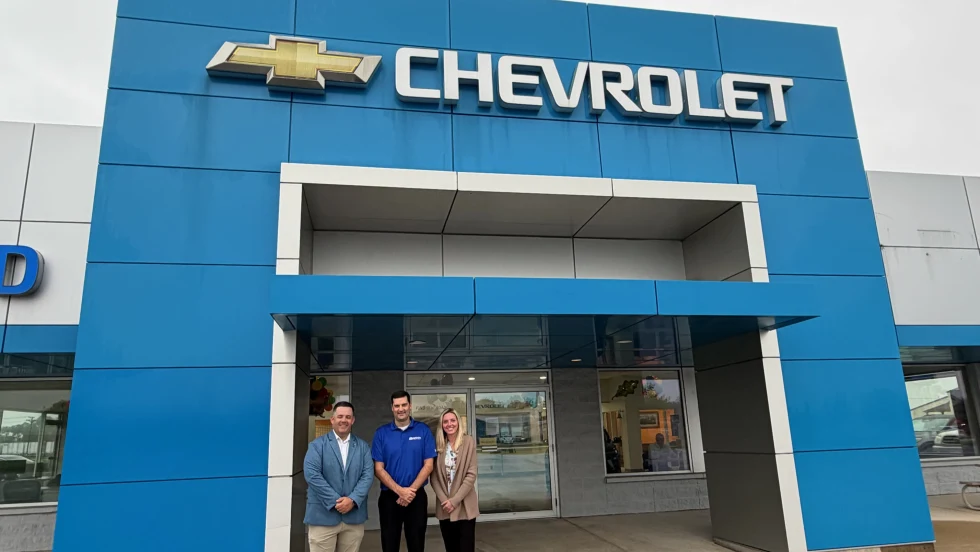
Badger State Dealership Gets New Owner
The longtime southern Wisconsin store moved from one area auto group to another, keeping the business in Dairyland.
Read More →
The Cycle of Negative Equity
Third-quarter data shows consumers still rolling over debt and stretching loan terms, raising their risk of remaining underwater.
Read More →
Charger Network Growth Slows
Despite a projected increase in public EV chargers in 2026, charging infrastructure remains a top concern for consumers as the gap between the most and least EV-friendly places remains substantial.
Read More →
Lenders, Consumers Take on More Auto Loan Risk
September records loosened credit access the most in over a decade as buyers took advantage of the conditions to afford trading, though loan applications fell.
Read More →
Next-Gen Hybrids in Sight
Dealerships can expect to see revamped hybrids from Honda next year as the company rolls out a new system and model lineup.
Read More →
Gem State Stores Change Hands
A larger auto group founded in the industry’s early years sold two franchises to a neighbor group that's on a growth spurt.
Read More →
Charging In Motion
Honda has been researching wireless in-motion charging for electric vehicles since 2025, and new technology developments have put it a step closer to a final product.
Read More →
Twin Cities Stores Sell
Minnesota-based Walser Automotive Group made what it called the most significant acquisition in its history with a three-rooftop deal in Minneapolis.
Read More →
U.S. Auto Sales Still Below Prepandemic Levels
Mobility Global industry observers don’t expect the market to return to the higher volumes that became routine before Covid but to stay well below its potential.
Read More →
The Powertrain Shift
Electric-vehicle owners are backpedaling, according to new data, with product availability driving many to shift back to gas-powered engines.
Read More →