


New-Vehicle Ownership Costs Keep Going Up
AAA analysis shows big increase over last year, blames inflation, interest rates.

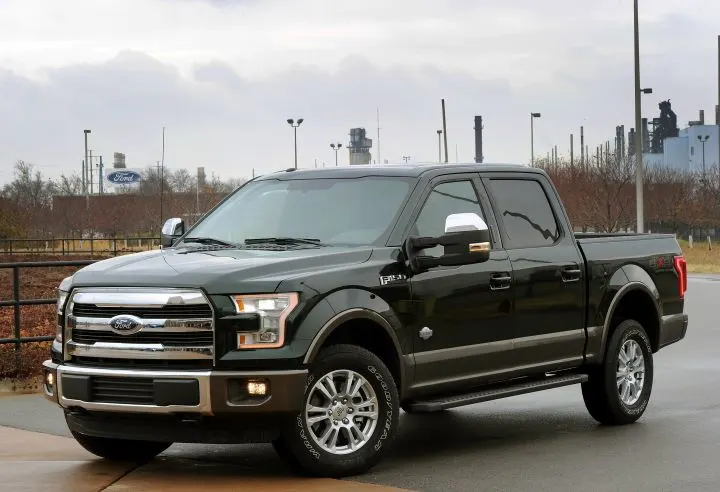
Half-ton pickups like the Ford F-150 have the highest average cost and have experienced a drop in demand as the costs of owning them now rival that of 'many luxury cars.'
IMAGE: Ford
The annual cost of owning a new vehicle has ballooned due to still-inflated prices and elevated interest rates, a new AAA study shows.
The motor clubs federation, known for its auto insurance and roadside assistance, says the annual average cost of owning and operating a new vehicle this year is $12,182, or $1,015 a month, up about 14% over last year’s figures.
It points to the growing average manufacturer’s suggested retail price, which it said is now $34,876, up about 5% over last year, combined with the average annual finance charge that MSRP impacts: $1,253, up a whopping 90% year-over-year.
Though the effects of the pandemic on the inflated costs have diminished this year due to improving inventories, “the spillover effects are keeping prices high,” says AAA Director of Automotive Research Greg Brannon.
AAA emphasizes that the price consumers pay for vehicles doesn’t always reflect MSRP, depending on demand.
The nonprofit organization said ownership cost is also probably impacted by:
Depreciation, which it projects to be up 24% year-over-year to an average of $4,538 per year.
The increase in new-vehicle prices relative to used-vehicle values, which it says have fallen in the past year.
Automakers’ focus on producing more high-end, and therefore more expensive, models.
Fuel, at least for gas-powered vehicles, was the one variable in the annual cost mix that fell, by an average cost per mile of about two cents. But electric-vehicle charging rose by nearly two cents per kilowatt-hour, it says likely due to inflation.
AAA pointed out that half-ton pickups, with the highest average cost, have experienced a decrease in demand as the costs of owning them now rival that of “many luxury cars.”
Originally posted on Auto Dealer Today
More Industry

Charger Network Growth Slows
Despite a projected increase in public EV chargers in 2026, charging infrastructure remains a top concern for consumers as the gap between the most and least EV-friendly places remains substantial.
Read More →
Lenders, Consumers Take on More Auto Loan Risk
September records loosened credit access the most in over a decade as buyers took advantage of the conditions to afford trading, though loan applications fell.
Read More →
Next-Gen Hybrids in Sight
Dealerships can expect to see revamped hybrids from Honda next year as the company rolls out a new system and model lineup.
Read More →
Gem State Stores Change Hands
A larger auto group founded in the industry’s early years sold two franchises to a neighbor group that's on a growth spurt.
Read More →
Charging In Motion
Honda has been researching wireless in-motion charging for electric vehicles since 2025, and new technology developments have put it a step closer to a final product.
Read More →
Twin Cities Stores Sell
Minnesota-based Walser Automotive Group made what it called the most significant acquisition in its history with a three-rooftop deal in Minneapolis.
Read More →
U.S. Auto Sales Still Below Prepandemic Levels
Mobility Global industry observers don’t expect the market to return to the higher volumes that became routine before Covid but to stay well below its potential.
Read More →
The Powertrain Shift
Electric-vehicle owners are backpedaling, according to new data, with product availability driving many to shift back to gas-powered engines.
Read More →
Achromatic Autos
The shades that dominate the U.S. car market don’t call attention to themselves, though grayscale may have plateaued after a 30-year upswing, research shows.
Read More →
Used-Vehicle Affordability Worsens
Listing prices in August defied seasonal trends, rising above $27,000 for the second time this year.
Read More →