


New-Vehicle Prices Moving Little
Incentives and ample supply serving to keep sales healthy despite lingering inflation.

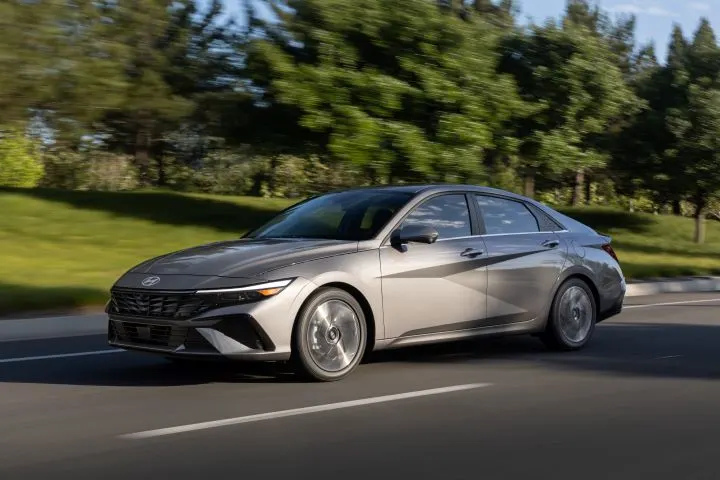
As the ATP of new vehicles has moved little over the past year, more consumers are opting for the least pricey models, including the Hyundai Elantra.
Hyundai
Incentives and more affordable models are helping keep new-vehicle prices in check, though they’re not falling appreciably and certainly nowhere near prepandemic levels.
As the third quarter ended last month, the average transaction price totaled $48,397, according to Cox Automotive data. That was essentially flat – down by less than a half percent – both month-over-month and year-over-year.
Even average incentive spending barely budged – up just one-tenth of a percent from August to 7.3% of the ATP, though well up from 4.8% a year earlier, Cox said.
Given the stubbornness of vehicle prices themselves despite revived inventories, incentive spend is still propping up sales volume, said Executive Analyst Erin Keating. New-vehicle supply measured in early September hit 2.8 million units, up from about 2.1 million a year earlier, Cox said.
“We still believe there is potential for growth in the market for the rest of the year, she said, “but with the uncertainty of a national election around the corner and major weather events disrupting business, maybe a slow, steady pace is all we should expect.”
Many consumers are opting for the most affordable price points in the market this year, including those around $25,000, Cox said. Only one model, the Mitsubishi Mirage, was selling for less than $20,000. Expensive vehicles, such as full-size pickups, are consequently losing market share.
“The subcompact and compact SUV segments are outperforming the market this year, and by no coincidence, they’re also two of the lowest-priced product segments in the market,” said Cox Senior Economist Charlie Chesbrough.
Originally posted on F&I and Showroom
More Industry
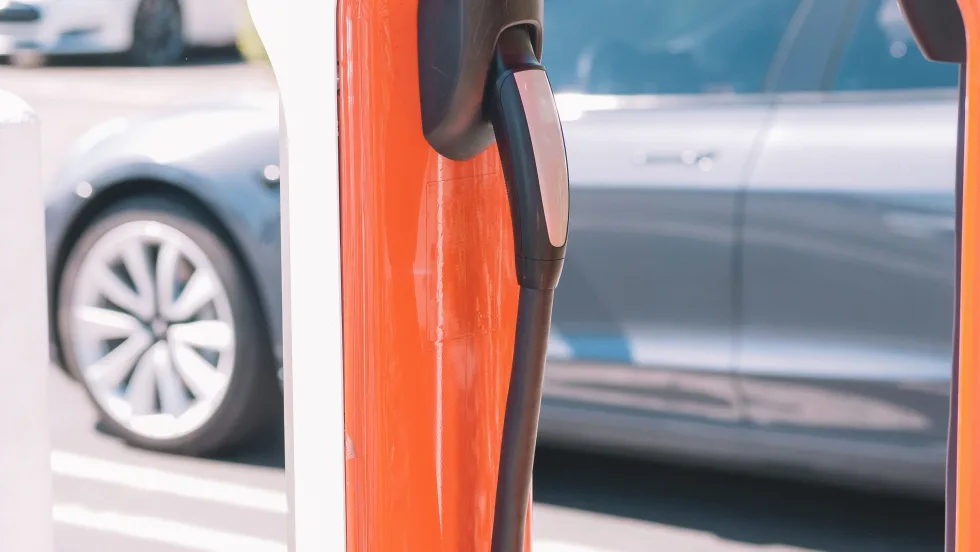
Charger Network Growth Slows
Despite a projected increase in public EV chargers in 2026, charging infrastructure remains a top concern for consumers as the gap between the most and least EV-friendly places remains substantial.
Read More →
Lenders, Consumers Take on More Auto Loan Risk
September records loosened credit access the most in over a decade as buyers took advantage of the conditions to afford trading, though loan applications fell.
Read More →
Next-Gen Hybrids in Sight
Dealerships can expect to see revamped hybrids from Honda next year as the company rolls out a new system and model lineup.
Read More →
Gem State Stores Change Hands
A larger auto group founded in the industry’s early years sold two franchises to a neighbor group that's on a growth spurt.
Read More →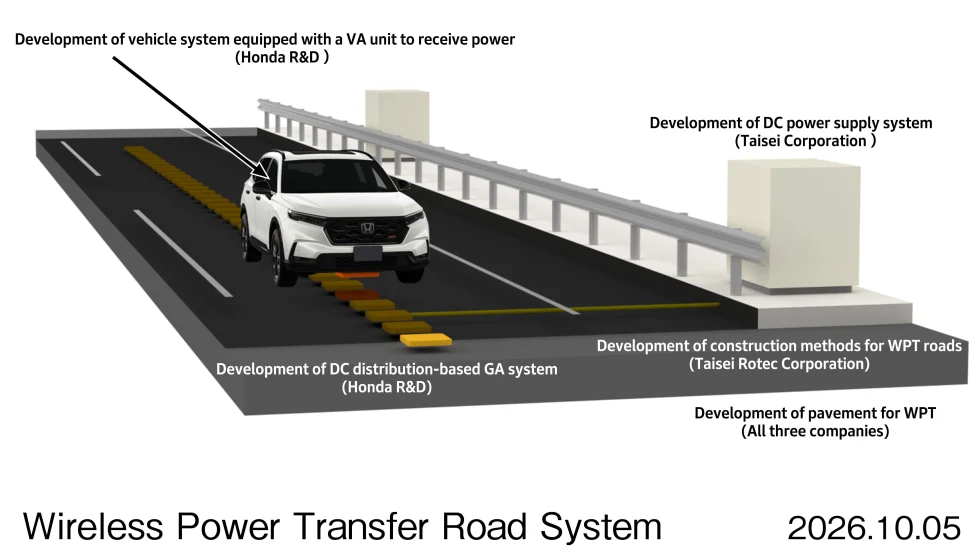
Charging In Motion
Honda has been researching wireless in-motion charging for electric vehicles since 2025, and new technology developments have put it a step closer to a final product.
Read More →
Twin Cities Stores Sell
Minnesota-based Walser Automotive Group made what it called the most significant acquisition in its history with a three-rooftop deal in Minneapolis.
Read More →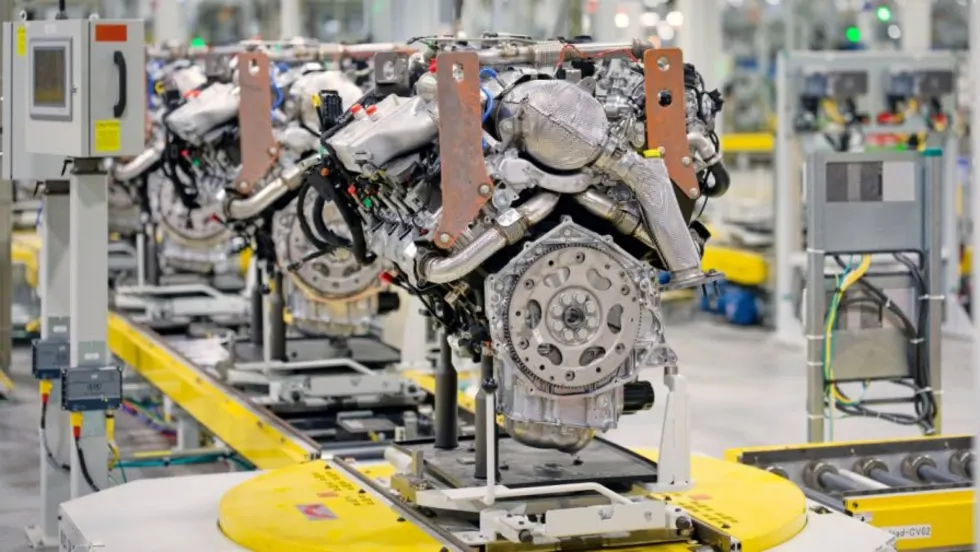
U.S. Auto Sales Still Below Prepandemic Levels
Mobility Global industry observers don’t expect the market to return to the higher volumes that became routine before Covid but to stay well below its potential.
Read More →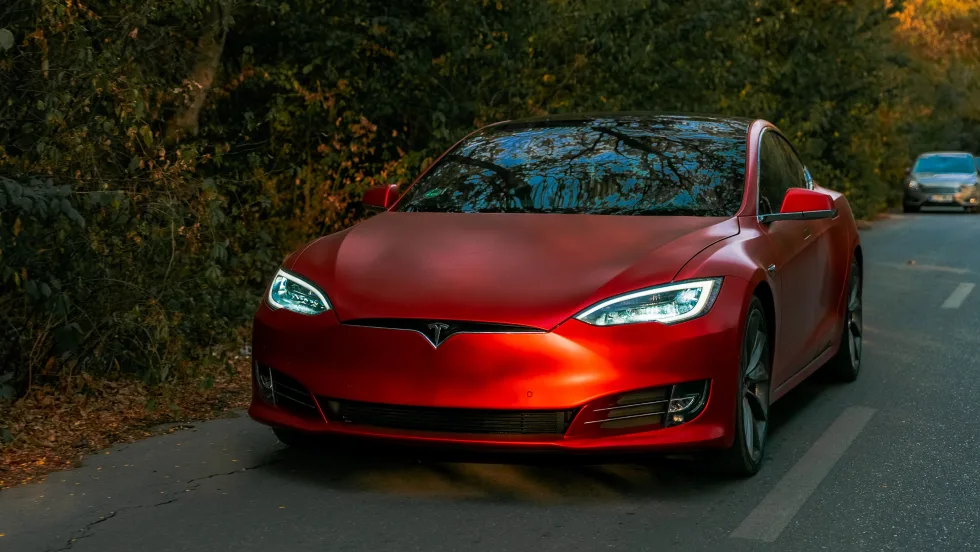
The Powertrain Shift
Electric-vehicle owners are backpedaling, according to new data, with product availability driving many to shift back to gas-powered engines.
Read More →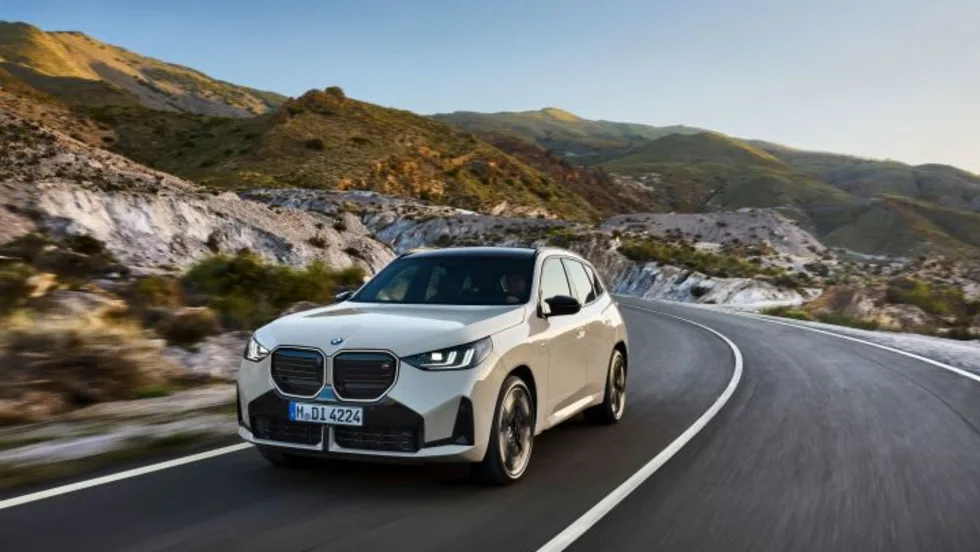
Achromatic Autos
The shades that dominate the U.S. car market don’t call attention to themselves, though grayscale may have plateaued after a 30-year upswing, research shows.
Read More →
Used-Vehicle Affordability Worsens
Listing prices in August defied seasonal trends, rising above $27,000 for the second time this year.
Read More →