


NHTSA Proposes Mandatory Backup Cameras in All New Cars

WASHINGTON - U.S. auto-safety regulators proposed requiring backup cameras on all new vehicles by 2014 to prevent drivers from backing over pedestrians, a rule that may cost as much as $2.7 billion.
The National Highway Traffic Safety Administration, which published the proposed rule today, said an average of 292 people die each year from back-over accidents, which primarily kill children and the elderly.
To equip a new-vehicle fleet of 16.6 million produced in a year would cost from $1.9 billion to $2.7 billion, the agency said in the proposal. It called the cost “substantial,” but said the measure might reduce back-over deaths and injuries by almost half, Automotive News reported.
“There is no more tragic accident than for a parent or caregiver to back out of a garage or driveway and kill or injure an undetected child playing behind the vehicle,” Transportation Secretary Ray LaHood said in a statement.
“The changes we are proposing today will help drivers see into those blind zones directly behind vehicles to make sure it is safe to back up.”
NHTSA said it will accept comments on the proposed rule for 60 days and it will publish a final rule by Feb. 28. After that, to meet the requirements of the proposed rule, 10 percent of new vehicles must comply by Sept. 2012, 40 percent by Sept. 2013 and 100 percent by Sept. 2014, NHTSA said.
Following the announcement, Ford Motor Co. said today it will have rear-view cameras available in almost all Ford and Lincoln models by the end of 2011.
"Our research shows that visibility is one of the biggest customer concerns today," Jim Buczkowski, director of electrical and electronics systems engineering at Ford, said in a statement.
Gentex a beneficiary?
The rule will benefit suppliers such as Gentex Corp., said David Leiker, an analyst with Baird Equity Research. He said in a research note that Gentex's rear-camera display system, with an LCD screen that is visible when the vehicle is in reverse, would satisfy NHTSA's proposed requirements.
Gentex shares today rose $4.06, or 17.8 percent, to close the day at $26.89 on the Nasdaq Stock Market.
The Alliance of Automobile Manufacturers and the Association of International Automobile Manufacturers, whose members include U.S. and non-U.S.-based carmakers, said they are reviewing the rule.
Industry reaction
“Given that our top priority is keeping people, especially children, safe in and around autos, the Alliance looks forward to working with regulators to ensure that, in the end, we have enhancements that saves lives and improve safety,” Wade Newton, a spokesman for the Washington-based alliance, said in an e- mail.
“AIAM supports the establishment of performance-based requirements that provide maximum flexibility to manufacturers in selecting approaches to meet enhanced rear visibility requirements,” Annemarie Pender, a spokeswoman for the Washington-based international group, said in an e-mail.
“Our members invest billions of dollars into saving lives by researching, creating and deploying advanced safety features on their vehicles.”
A rule to enhance rear-view visibility for drivers was required by a 2007 law named after Cameron Gulbransen, a 2-year- old from New York who died after his father accidentally backed over him. NHTSA Administrator David Strickland helped write the law when he worked for the Senate Commerce Committee.
Camera Cost
The regulator doesn't specify which kind of technology must be used, while saying in the proposed rule that “the most effective technology option” it evaluated is the rearview video system, which is also the most expensive.
In vehicles without a visual-display screen, rearview video systems cost consumers $159 to $203. For a car with a video screen, such as those used in navigation systems, adding a camera would cost $58 to $88, NHTSA said.
NHTSA estimated about 18,000 people a year are hurt in back-over accidents, with about 3,000 suffering “incapacitating” injuries. The agency said 44 percent of the incidents involve children under age 5.
More Industry
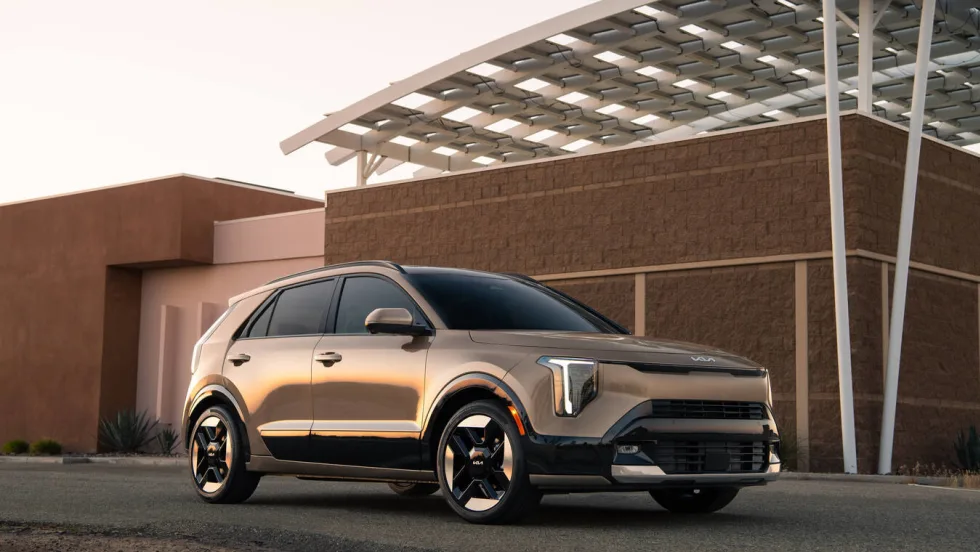
Kia Closes Out Summer With a Bang
Its U.S. subsidiary broke multiple records in August, in part due to a surge of demand for hybrids models.
Read More →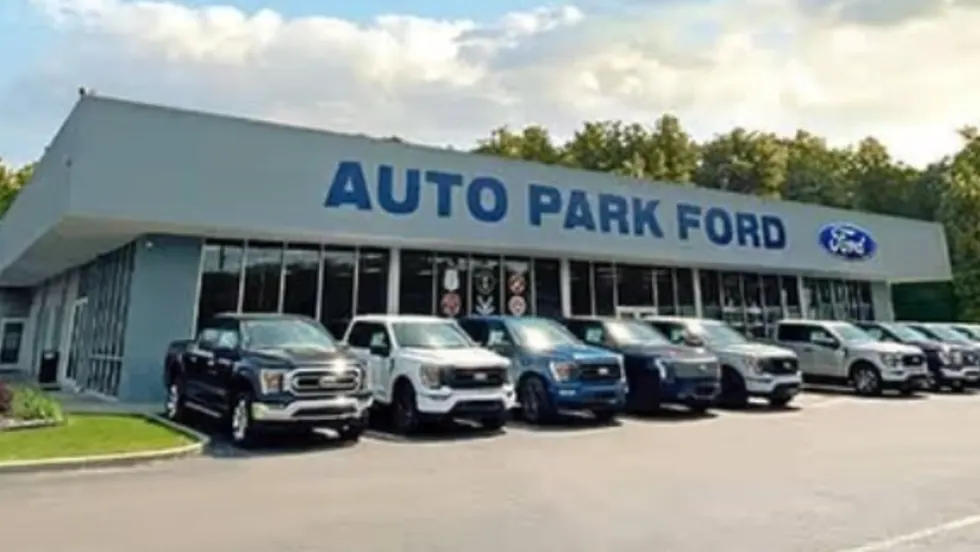
Indiana Dealership Changes Hands
A 30-year-old Ford dealership in Indiana has a new owner and will soon be undergoing renovations to meet manufacturer requirements.
Read More →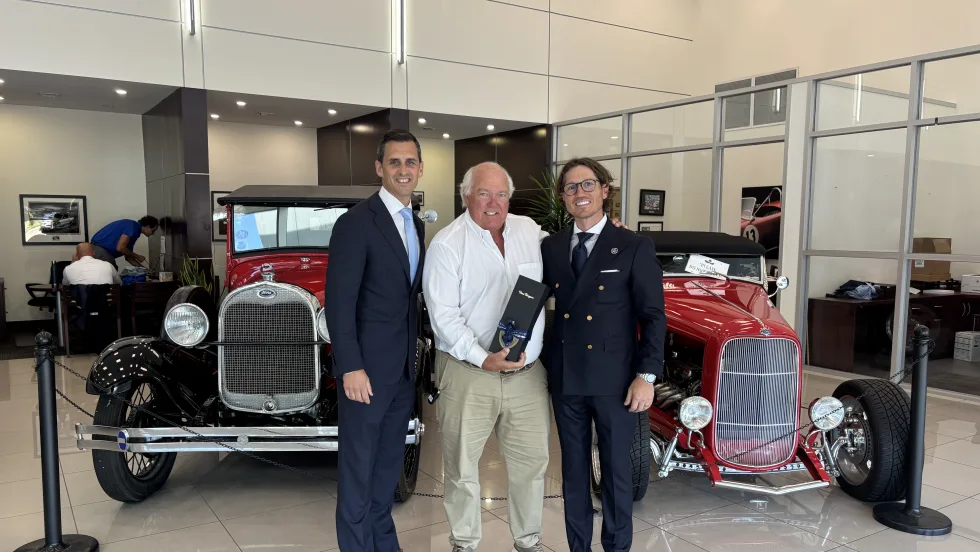
Texas Dealership No Longer in the Family
The Ford store, a longtime cornerstone of the Houston market, is now part of one of the fastest-growing U.S. auto groups.
Read More →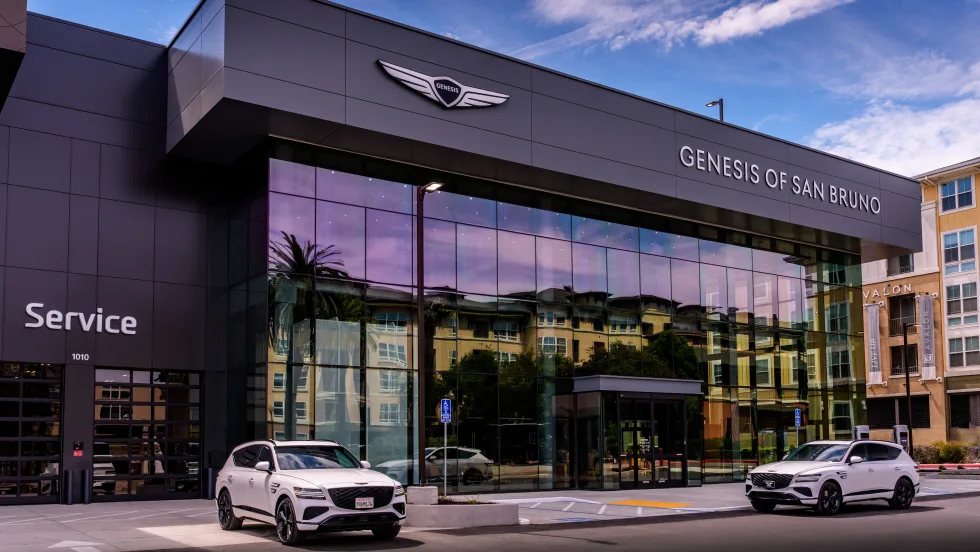
Genesis Grows California Presence
The Cardinale Automotive Group opened its third Genesis rooftop in the Golden State, Genesis of San Bruno, a stand-alone dealership serving the San Francisco Bay Area.
Read More →
August Auto Sales a Mixed Bag
An early forecast shows strong business despite consumer hurdles, and hybrids are a big piece of their affordability coping strategy.
Read More →
EV Market Humming Along
July sales show steady growth as the segment stabilizes from last year’s artificial surge following pullback of federal support.
Read More →
Auto Loan Delinquency Rates Stabilize
Auto loans are a main driver of nonmortgage consumer debt, but delinquency rates stabilized in the second quarter across all credit risk tiers.
Read More →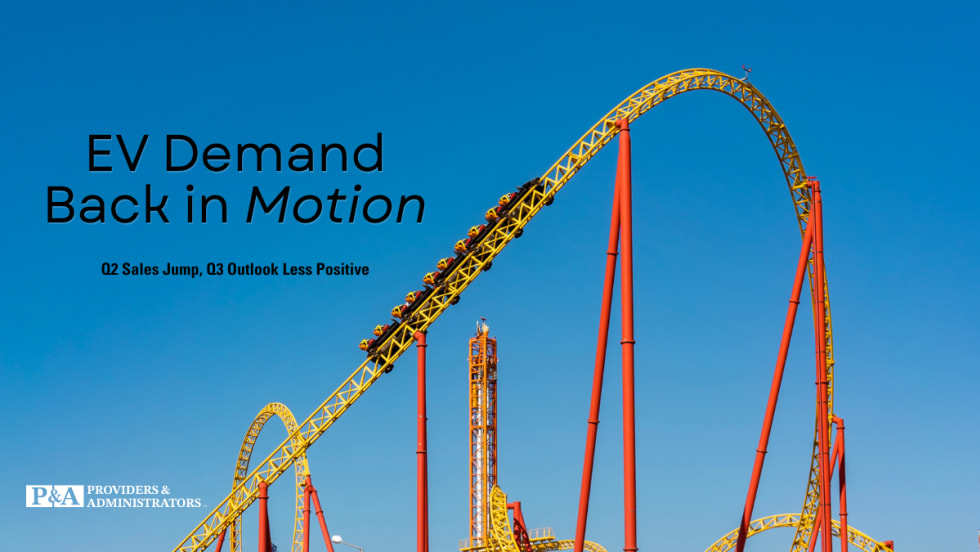
EV Sales Recover in Q2
The EV sales roller coaster continues as numbers show improvement, but industry experts predict a year-over-year third-quarter decline and fourth-quarter jump.
Read More →
The Cheapest Hybrids to Fuel
The powertrain is increasing in popularity, in no small part due to its fuel economy. A new report lists the most efficient hybrids on the market.
Read More →
Hybrids and SUVs Gaining Ground
The most recent Kelley Blue Book Brand Watch found that only two nonluxury brands increased in shopper consideration, buoyed by their hybrid and SUV offerings.
Read More →