


NHTSA Upgrades Probe of 1.2M Toyota Corollas, Matrixes

WASHINGTON - Federal regulators have upgraded an investigation of as many as 1.2 million Toyota Corollas for possible engine stalling, Automotive News reported.
Consumers have filed 1,101 complaints about Corollas and Corolla Matrixes for 2005-07 models, the National Highway Traffic Safety Administration said in a filing on its website.
“The engine can stall at any speed without warning and not restart,” NHTSA said in describing the problem.
Last November, the agency opened its investigation with a so-called “preliminary evaluation.” After Toyota responded with additional information, NHTSA upgraded the probe Aug. 18 to an “engineering analysis,” according to documents posted on the agency's Web site.
An engineering analysis can lead to a recall. Since November, Toyota has recalled 11.2 million vehicles worldwide, most for problems with sudden acceleration.
Toyota spokesman Brian Lyons declined to say today whether the automaker is considering a recall of the vehicles under investigation.
“We are cooperating with the investigation,” he said in a phone interview. “Only North American vehicles are involved.”
In a March 2 letter to NHTSA, Toyota official Chris Santucci in Washington said, “Toyota does not believe that the alleged defect creates an unreasonable risk to motor vehicle safety.”
Lyons declined to say today whether the automaker still stands by that statement.
Toyota reported it approved 4,211 warranty claims for replacement of the electronic control unit or module, the computer that controls the engine. Six crashes have been reported, with no injuries or deaths.
In a January complaint, the driver reported a problem with a 2007 Corolla that had been driven 22,000 miles.
“When I got off work, I could not start the engine,” the driver wrote. “I tried three times and engine was finally started.”
The next morning, the driver brought the vehicle to the dealership.
The dealer replaced the electronic control module, solving the problem.
Toyota said it received the first field report about the problem in November 2005 and began an investigation in March 2006. It made an improvement to the control module in June 2007 and issued four technical service bulletins to dealers.
In March, the automaker attributed the problem to two possible causes: cracks in the soldered joints of the control unit's circuit boards, and cracks in the glass coating of the varistor - a type of resistor used to protect circuits against excessive voltage by conducting increased current.
“Toyota has discovered that the supplier of the varistor changed the material and the production process, which made such cracks more likely,” the automaker wrote in its March report to NHTSA.
The New York Times and Consumer Reports said the agency has received similar complaints with the Pontiac Vibe - a near mechanical twin of the Matrix.
More Industry
Charger Network Growth Slows
Despite a projected increase in public EV chargers in 2026, charging infrastructure remains a top concern for consumers as the gap between the most and least EV-friendly places remains substantial.
Read More →
Lenders, Consumers Take on More Auto Loan Risk
September records loosened credit access the most in over a decade as buyers took advantage of the conditions to afford trading, though loan applications fell.
Read More →
Next-Gen Hybrids in Sight
Dealerships can expect to see revamped hybrids from Honda next year as the company rolls out a new system and model lineup.
Read More →
Gem State Stores Change Hands
A larger auto group founded in the industry’s early years sold two franchises to a neighbor group that's on a growth spurt.
Read More →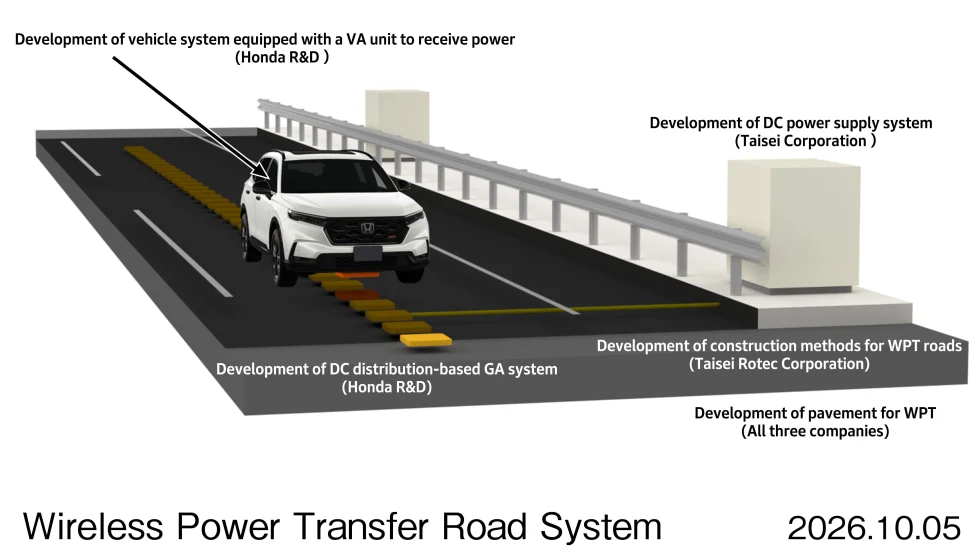
Charging In Motion
Honda has been researching wireless in-motion charging for electric vehicles since 2025, and new technology developments have put it a step closer to a final product.
Read More →
Twin Cities Stores Sell
Minnesota-based Walser Automotive Group made what it called the most significant acquisition in its history with a three-rooftop deal in Minneapolis.
Read More →
U.S. Auto Sales Still Below Prepandemic Levels
Mobility Global industry observers don’t expect the market to return to the higher volumes that became routine before Covid but to stay well below its potential.
Read More →
The Powertrain Shift
Electric-vehicle owners are backpedaling, according to new data, with product availability driving many to shift back to gas-powered engines.
Read More →
Achromatic Autos
The shades that dominate the U.S. car market don’t call attention to themselves, though grayscale may have plateaued after a 30-year upswing, research shows.
Read More →
Used-Vehicle Affordability Worsens
Listing prices in August defied seasonal trends, rising above $27,000 for the second time this year.
Read More →