


NIADA Calls On SBA to Open PPP to BHPH Dealers’ Related Finance Companies
Association says rule prohibiting loans to small finance providers conflicts with law’s intent.


Association says rule prohibiting loans to small finance providers conflicts with law’s intent.
Image by Niek Verlaan from Pixabay
Arlington, Texas – The National Independent Automobile Dealers Association is calling on Congress and the Small Business Administration to open up the SBA’s Paycheck Protection Program to the related finance companies of Buy Here-Pay Here dealers – an important sector of the used vehicle industry.
They need to be eligible for Paycheck Protection Program loans as the CARES Act intended.
In letters sent to SBA administrator Jovita Carranza, Congressional leaders and Senate Small Business and Entrepreneurship Committee chairman Marco Rubio, NIADA CEO Steve Jordan said current SBA guidance that prohibits small finance companies from receiving PPP loans “clearly conflicts” with the intent and language of the statute that created the program.
Section 1102 of the CARES Act states “any business concern … which employs not more than 500 employees shall be eligible” for PPP loans, which are intended to allow small businesses to keep their employees on the payroll during the COVID-19 crisis.
NIADA called for the SBA to amend its rule to make all legal businesses with 500 or fewer employees eligible for PPP loans.
In the letters, Jordan specifically made the case for Buy Here-Pay Here dealers, who often provide financing to credit-challenged or credit-invisible consumers who cannot get financing from banks or other traditional finance sources, through a related finance company (RFC).
While the dealership entities are being approved for PPP loans, RFCs, which do nothing more than hold and service the paperwork in the dealerships’ financing arrangements with their customers, “are routinely denied,” the letters said, as lenders cite the SBA guidance excluding finance companies from the program.
“Just like their dealership counterparts, virtually all RFCs are small businesses under every criteria of the SBA,” Jordan said. “Across the country, BHPH dealers and their RFCs are serving the transportation and financing needs of essential personnel battling on the front lines of the COVID-19 crisis, including medical personnel, first responders, supply chain workers, grocery store clerks and others.
“But in order to keep those essential personnel driving to and from their much-needed jobs, both BHPH dealers and their RFCs need help in the form of liquidity to keep their employees on the payroll and the lights turned on.
“They need to be eligible for Paycheck Protection Program (PPP) loans as the CARES Act intended.”
To view the letters and find more information about NIADA’s response to the COVID-19 pandemic, visit covid19.niada.com.
Originally posted on Auto Dealer Today
More Industry
Charger Network Growth Slows
Despite a projected increase in public EV chargers in 2026, charging infrastructure remains a top concern for consumers as the gap between the most and least EV-friendly places remains substantial.
Read More →
Lenders, Consumers Take on More Auto Loan Risk
September records loosened credit access the most in over a decade as buyers took advantage of the conditions to afford trading, though loan applications fell.
Read More →
Next-Gen Hybrids in Sight
Dealerships can expect to see revamped hybrids from Honda next year as the company rolls out a new system and model lineup.
Read More →
Gem State Stores Change Hands
A larger auto group founded in the industry’s early years sold two franchises to a neighbor group that's on a growth spurt.
Read More →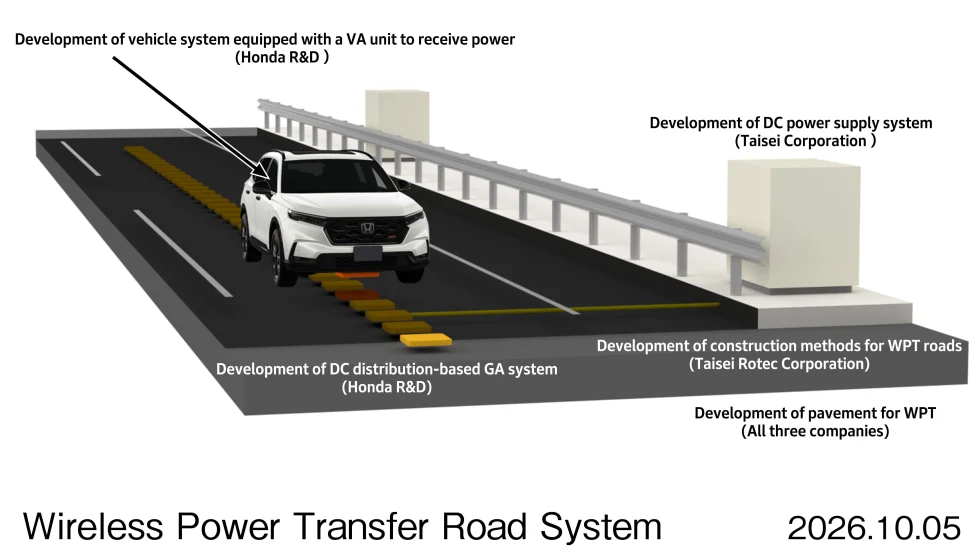
Charging In Motion
Honda has been researching wireless in-motion charging for electric vehicles since 2025, and new technology developments have put it a step closer to a final product.
Read More →
Twin Cities Stores Sell
Minnesota-based Walser Automotive Group made what it called the most significant acquisition in its history with a three-rooftop deal in Minneapolis.
Read More →
U.S. Auto Sales Still Below Prepandemic Levels
Mobility Global industry observers don’t expect the market to return to the higher volumes that became routine before Covid but to stay well below its potential.
Read More →
The Powertrain Shift
Electric-vehicle owners are backpedaling, according to new data, with product availability driving many to shift back to gas-powered engines.
Read More →
Achromatic Autos
The shades that dominate the U.S. car market don’t call attention to themselves, though grayscale may have plateaued after a 30-year upswing, research shows.
Read More →
Used-Vehicle Affordability Worsens
Listing prices in August defied seasonal trends, rising above $27,000 for the second time this year.
Read More →