


No End in Sight for Vehicle Inflation
The February average transaction price was well above a three-year average annual bump, but Cox analysts consider today’s prices to be on the normal side.

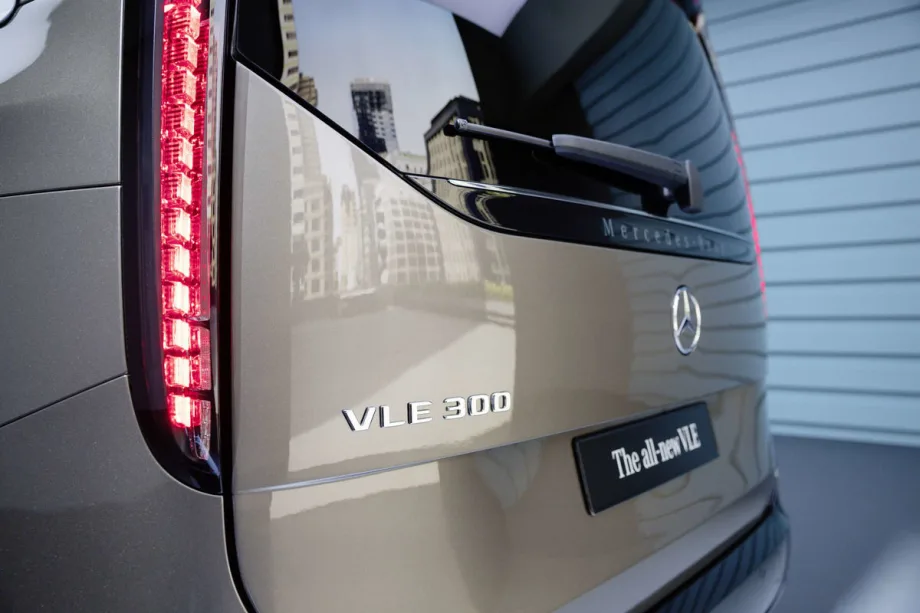
Incentives for new luxury vehicles and compact SUVs were most plentiful in February, according to Cox Automotive data.
Mercedes-Benz
New-vehicle prices jumped year-over-year in February, based on Cox Automotive calculations. The affordability pressure came despite incentive increases over January.
The average U.S. transaction price hit $49,353 for the month. That was up 3% over a year earlier, while incentives didn’t budge year-over-year, notwithstanding the incentives bump from January.
The ATP increase far exceeds the average 0.9% average annual ATP growth of the past three years, Cox noted. That couldn’t help spring new-vehicle sales, though Cox analysts said it doesn’t signal prices are coming off the rails.
“Outside of the ‘everything was broken’ phase, when prices were rising at a 13% clip, the industry’s long‑run average is closer to 3%,” said Executive Analyst Erin Keating. “What we’re seeing now looks more like normalization than a new pricing problem.”
In other words, around a $50,000 average has become the new normal. Still, Keating pointed out that most new-vehicle sales volume is below that average.
“The top five segments come in at around $44,000 on a weighted basis, and pickups account for a big share of that,” she said. “Remove expensive full-size pickups, and the average is closer to $39,000, which tells a very different affordability story.”
Still, pickups are very popular in the U.S., though gas price inflation triggered by the U.S.-Israel war on Iran could change that.
Manufacturer’s suggested retail prices fueled February’s inflation, the average exceeding $50,000 for the 11th straight month and up nearly 4% year-over-year to $51,440, slightly more than the long-term average annual increase, Cox said.
February incentives were concentrated among luxury vehicle and compact SUV purchases, the average 6.9% of the ATP, slightly down from 7% a year earlier.
Electric-vehicle ATPs narrowed the gap with gas-powered cars to one of the slightest recorded, Cox said. The EV ATP fell 1% year-over-year to $55,300 for about a $6,500 differential.
LEARN MORE: Some Auto Brands Cheaper to Insure
More Industry
Badger State Dealership Gets New Owner
The longtime southern Wisconsin store moved from one area auto group to another, keeping the business in Dairyland.
Read More →
The Cycle of Negative Equity
Third-quarter data shows consumers still rolling over debt and stretching loan terms, raising their risk of remaining underwater.
Read More →
Charger Network Growth Slows
Despite a projected increase in public EV chargers in 2026, charging infrastructure remains a top concern for consumers as the gap between the most and least EV-friendly places remains substantial.
Read More →
Lenders, Consumers Take on More Auto Loan Risk
September records loosened credit access the most in over a decade as buyers took advantage of the conditions to afford trading, though loan applications fell.
Read More →
Next-Gen Hybrids in Sight
Dealerships can expect to see revamped hybrids from Honda next year as the company rolls out a new system and model lineup.
Read More →
Gem State Stores Change Hands
A larger auto group founded in the industry’s early years sold two franchises to a neighbor group that's on a growth spurt.
Read More →
Charging In Motion
Honda has been researching wireless in-motion charging for electric vehicles since 2025, and new technology developments have put it a step closer to a final product.
Read More →
Twin Cities Stores Sell
Minnesota-based Walser Automotive Group made what it called the most significant acquisition in its history with a three-rooftop deal in Minneapolis.
Read More →
U.S. Auto Sales Still Below Prepandemic Levels
Mobility Global industry observers don’t expect the market to return to the higher volumes that became routine before Covid but to stay well below its potential.
Read More →
The Powertrain Shift
Electric-vehicle owners are backpedaling, according to new data, with product availability driving many to shift back to gas-powered engines.
Read More →