


Report: EV Stations Should Support Multiple Standards
The capability would go a long way in reassuring hesitant mass-market consumers to switch.


The Toyota bZ4X supports both level one and level two charging.
Toyota
Electric-vehicle charging stations with more than one voltage option are key to mass adoption, a new report contends.
What it terms “dual-voltage” capability has attracted a mass of more than 30,000 patent applications, says researcher GlobalData.
The data analysis provider says that the technology, along with battery discharge prediction, is essential in persuading the average automotive consumer to switch to electric.
Various automakers have adopted one charging standard or another for their lineups, some opting for Tesla’s North American Charging Standard, others sticking with the Combined Charging System.
But GlobalData considers dual-voltage technology “crucial” in the transition to EVs. That means charging stations that support multiple charging standards and EVs with more than one charging cable. The demand for such solutions attracts new innovations each year, it said, 44 new companies joining the mix last year.
“This ease of use alleviates range anxiety for drivers,” said GlobalData Senior Analyst of Disruptive Tech Rahul Kumar Singh in a press release on the EV report, which highlighted a few recent innovations in the space:
Toyota’s debut this year of the all-electric SUV bZ4X, which has levels one and two charging capability, after the Japanese automaker pursued a slower EV ramp-up than many brands
Spain-based company Circontrol’s introduction of a dual-charging station for urban and interurban areas
Brazil-based electrical technology maker WEG’s new charging station design that accommodates a range of voltages.
“As this technology advances, it faces challenges like ensuring compatibility with different vehicle models and handling the increased demand for power grids,” Singh said. “Nevertheless, the steady rise in patent activity and ongoing technological progress in this field point to a promising future.”
DIG DEEPER: Report Urges Utilities, Regulators to Prep for EV Future
Originally posted on Auto Dealer Today
More Product & Technology

Integrating AI Into Your Admin System
It’s important for finance-and insurance administrators to build the technology into their existing systems instead of bolting it on.
Read More →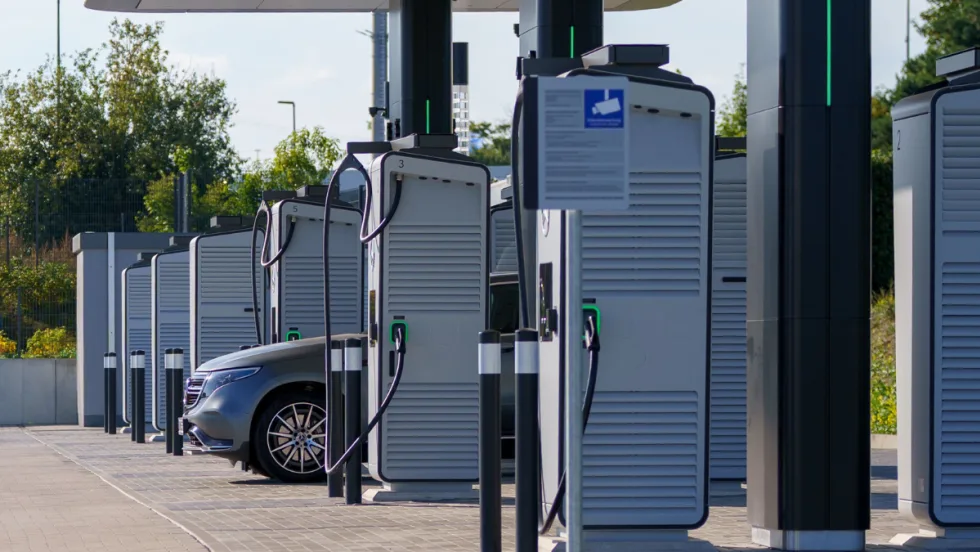
Public EV Charging Improves
The infrastructure buildout in the U.S. is providing more availability and safety at a better cost, according to the latest EV experience study by JD Power.
Read More →
AI in the Dealership
A Cox Automotive poll shows most dealers use it, but only some have found the smartest ways to adapt the surging technological sensation.
Read More →
AAA Honors Service and Repair Facilities
Three automotive dealerships made AAA's Service Providers of Excellence and Best in Repair list this year.
Read More →
EFG Launches Product Admin Platform
The company says the offering is designed to empower administrators, service contract providers, and product marketers to expand automotive and power-sports capabilities.
Read More →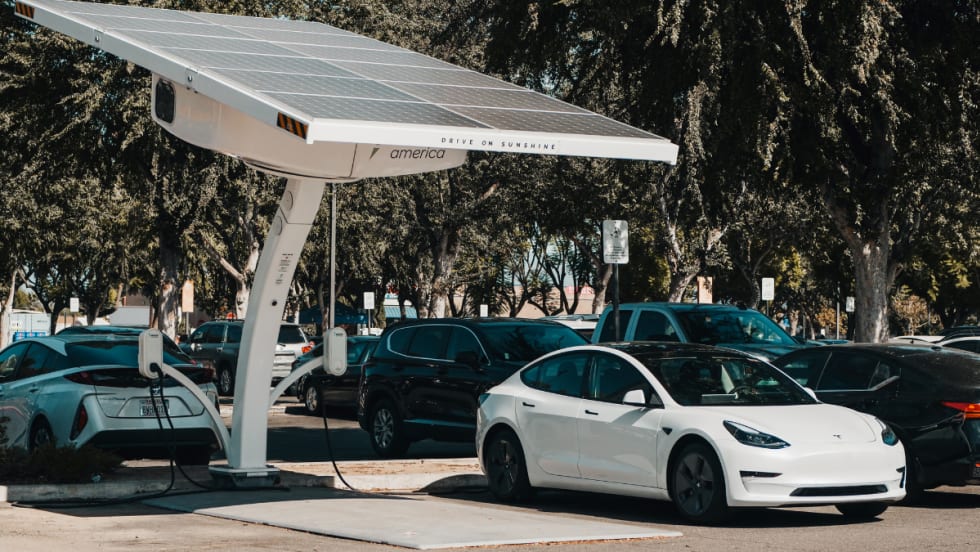
Optimized Charging Could Reduce Costs
According to an Alliance for Automotive Innovation analysis, optimized EV charging could cut costs for drivers and improve grid infrastructure - potential adoption incentives.
Read More →
From Inspection to Impact
Data, video and artificial intelligence are driving service performance today, when inspection performance is closely tied to key business outcomes.
Read More →
Car Karaoke Gets Official Platform
The in-vehicle karaoke and sing-along platform by Samsung arm is meant to add traveling enjoyment safely in technology that automakers can tailor to their specific needs.
Read More →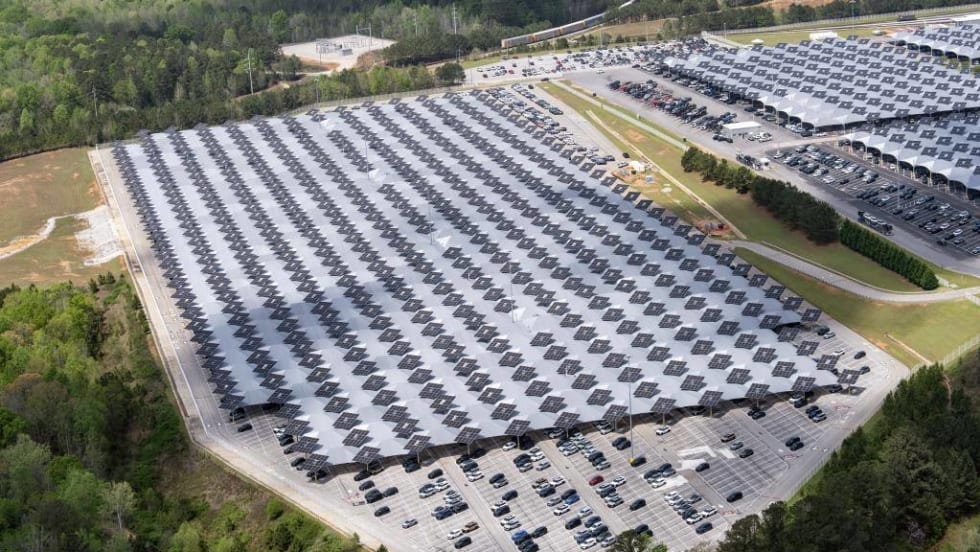
Kia Embraces Clean Energy
A Kia Georgia partnership combines weather protection and renewable energy in a new solar canopy system at Kia’s West Point facility.
Read More →
Honda-Sony Venture Dismantled
For nearly four years, the companies had worked toward the launch of the electric-vehicle brand’s first two models, but the shifting EV market scuttled the plans.
Read More →