


Romney: Chrysler, GM Should Have Filed for Bankruptcy First

WASHINGTON — Republican presidential candidate Mitt Romney defended his opposition of the $85 billion auto rescue by two presidents, saying he supported a "private sector bailout."
Romney, a Detroit native who grew up in southeast Michigan and is the son of a former CEO of American Motors, defended his stance that he insisted General Motors and Chrysler Group LLC file for bankruptcy first before getting government bailouts during Wednesday night's debate at Oakland University.
Then-President George W. Bush gave GM and Chrysler and their finance arms a $25 billion bailout in the closing weeks of his administration. President Barack Obama added $60 billion to the bailout and put GM and Chrysler through 40-day bankruptcy restructuring, reported The Detroit News.
"Whether it was by President Bush or President Obama, it was the wrong way to go," Romney said. "They gave General Motors to the UAW, and they gave Chrysler to Fiat."
Romney had called for a managed bankruptcy — and private financing to restructure the automakers.
Most of the questions were on broader economic issues — other than the auto bailout. All eight candidates have previously said they opposed the auto and bank bailouts.
Critics of Romney's approach have said the automakers were not prepared to file for bankruptcy — and that if the government hadn't put up money, the bankruptcies could have dragged out. The Obama administration has said in 2008 and early 2009, banks would not have been willing to put up the money to restructure GM and Chrysler.
Former Utah Gov. Jon Huntsman said he opposed the auto bailout. "This country is never again going to bail out corporations," Huntsman, calling bailouts "absolutely inappropriate."
"We have institutions banks that are too big to fail."
Huntsman noted that taxpayers could lose $15 billion on the auto bailout. "We're going to end up footing the bill," he said.
Other candidates — including businessman Herman Cain and Rep. Michele Bachmann — said they opposed bailouts but didn't get into specifics on the auto rescue.
The auto bailout — which Democrats had seized on all day — was overshadowed by Texas Gov. Rick Perry's failure to name a third agency he planned to cut if elected. And most of the candidates didn't directly answer questions on the bailout or whether they would sell the government's shares in GM.
Democrats are making Romney's auto bailout opposition a cornerstone of their attacks on the candidate.
"Had Mitt Romney been president in 2009, he would have simply let General Motors and Chrysler meet their demise," former Michigan Gov. Jennifer Granholm wrote in an op-ed Wednesday on CNBC's website. "Romney would have turned a cold shoulder on auto workers in Michigan and across the country, and the consequences would have been disastrous."
In interviews Wednesday, Michigan Gov. Rick Snyder backed the decision of the Bush and Obama administrations to bail out the automakers.
Also on Wednesday, at GM's current stock price, the Treasury would lose $15 billion on its $49.5 billion bailout — on top of the $1.3 billion it lost on its $12.5 billion bailout of Chrysler Group LLC. The government also has more than $11 billion in its bailout of Ally Financial Inc. that has not been recovered.
The government has been stymied in its efforts to sell the rest of its 27 percent stake in GM. On Wednesday, the government's shares fell by $1.35 billion as GM's shares fell by 10.9 percent to $22.31.
Asked if he would sell the government's GM stake and other assets, Huntsman said: "I would clean up the balance sheet."
Perry noted in an email from his campaign that Romney had backed support for automakers during the 2008 Republican presidential campaign.
The government cannot pick winners and losers and shouldn't bail out companies or countries. "If you are too big to fail, you are too big," Perry said.
Romney told The Detroit News in January 2008 that he would work to help automakers. "'This is what I have done all my life — take on complex situations, lead tough negotiations, find solutions, and get things back on track," he said.
While saying he wasn't proposing a bailout, Romney in January 2008 proposed a five-fold increase — to $20 billion — in federal funding for energy research, fuel technology, materials science, and auto technology.
In 2008, he vowed to get rid of burdensome regulations, taxes and litigation costs that hurt automakers and other businesses.
At the debate, Romney said he was referring to support for automakers like Corporate Average Fuel Efficiency mandates.
"The federal government, by putting in place CAFÉ requirements that helped foreign automobiles gain market share in the U.S., was hurting Detroit — and so I said, 'Where is Washington? They're not doing the job.'"
Romney said he was raised in Michigan in the 1950s and '60s when Detroit and Michigan "was the pride of the nation."
"I care about this state and about the auto industry," Romney said.
More Industry
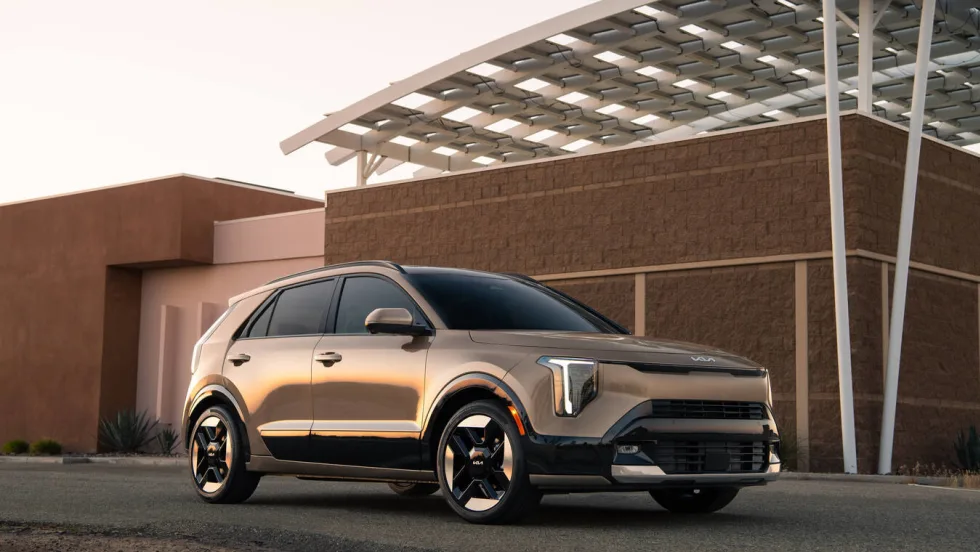
Kia Closes Out Summer With a Bang
Its U.S. subsidiary broke multiple records in August, in part due to a surge of demand for hybrids models.
Read More →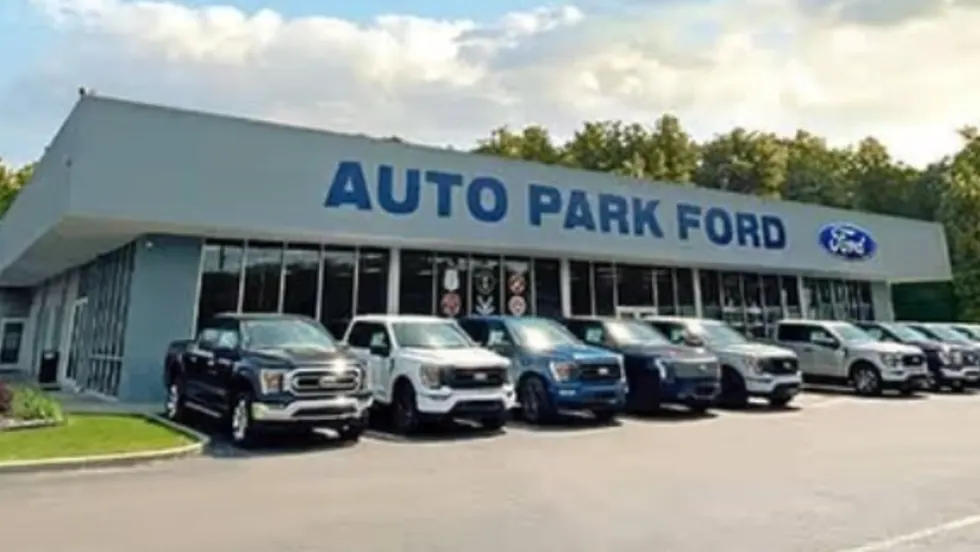
Indiana Dealership Changes Hands
A 30-year-old Ford dealership in Indiana has a new owner and will soon be undergoing renovations to meet manufacturer requirements.
Read More →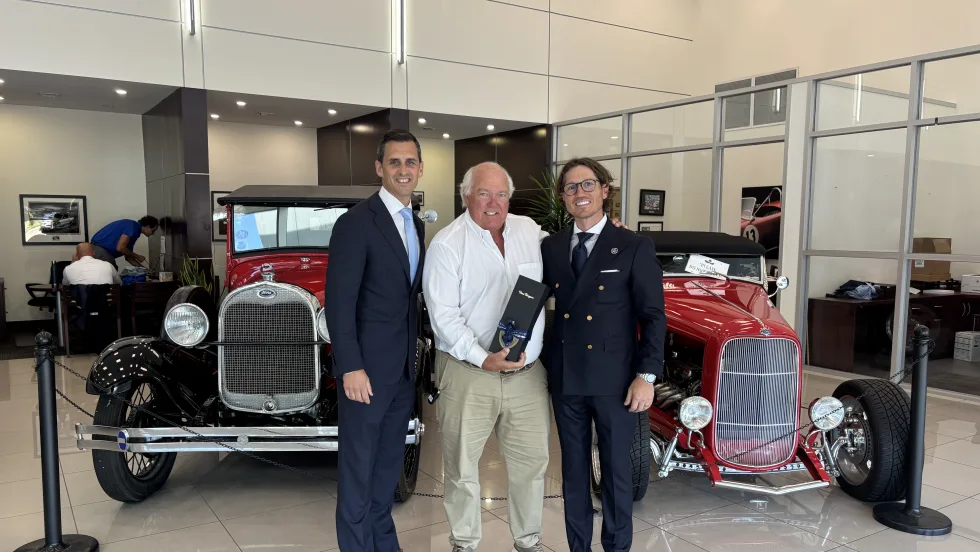
Texas Dealership No Longer in the Family
The Ford store, a longtime cornerstone of the Houston market, is now part of one of the fastest-growing U.S. auto groups.
Read More →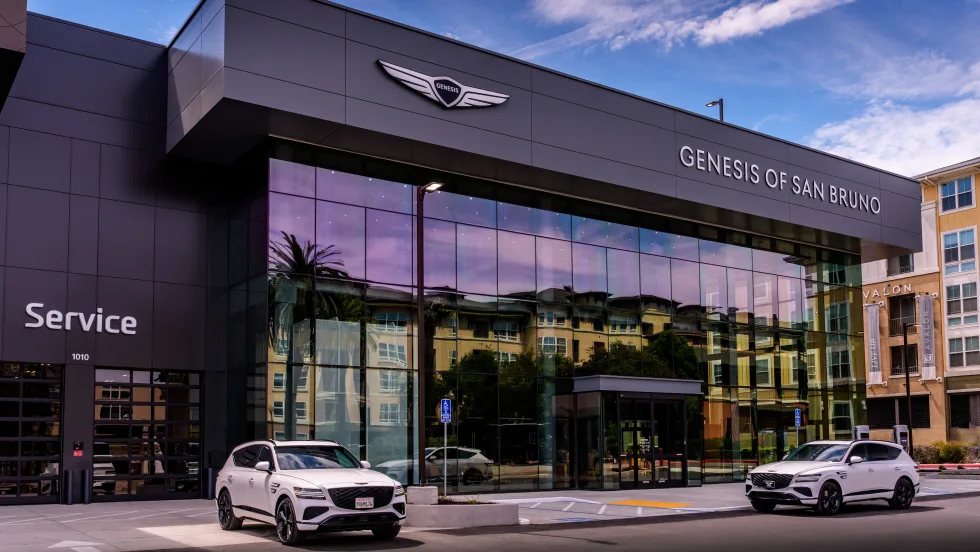
Genesis Grows California Presence
The Cardinale Automotive Group opened its third Genesis rooftop in the Golden State, Genesis of San Bruno, a stand-alone dealership serving the San Francisco Bay Area.
Read More →
August Auto Sales a Mixed Bag
An early forecast shows strong business despite consumer hurdles, and hybrids are a big piece of their affordability coping strategy.
Read More →
EV Market Humming Along
July sales show steady growth as the segment stabilizes from last year’s artificial surge following pullback of federal support.
Read More →
Auto Loan Delinquency Rates Stabilize
Auto loans are a main driver of nonmortgage consumer debt, but delinquency rates stabilized in the second quarter across all credit risk tiers.
Read More →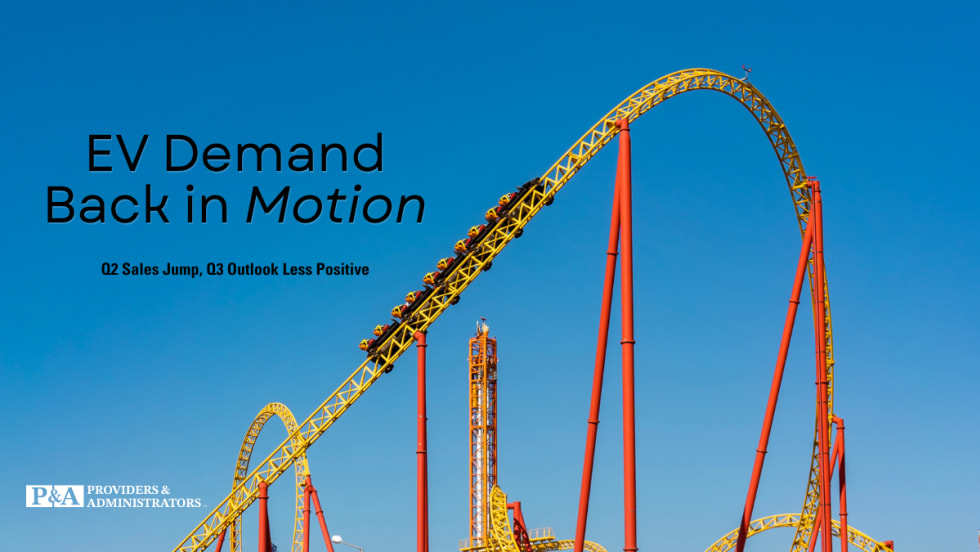
EV Sales Recover in Q2
The EV sales roller coaster continues as numbers show improvement, but industry experts predict a year-over-year third-quarter decline and fourth-quarter jump.
Read More →
The Cheapest Hybrids to Fuel
The powertrain is increasing in popularity, in no small part due to its fuel economy. A new report lists the most efficient hybrids on the market.
Read More →
Hybrids and SUVs Gaining Ground
The most recent Kelley Blue Book Brand Watch found that only two nonluxury brands increased in shopper consideration, buoyed by their hybrid and SUV offerings.
Read More →