


Ruling Gives Suppliers an Edge in Contracts
The Michigan Supreme Court rules buyers must more clearly specify what they intend to buy from suppliers in their contracts.


Ruling puts suppliers in better position to ask for a price increase or change contract terms.
IMAGE: Pixabay
The Michigan Supreme Court ruled in MSSC Inc. v. AirBoss Flexible Products Co. that buyers must be explicit in contracts in saying what they intend to buy from a seller, according to Automotive News.
That's good news for contracts between auto suppliers and their customers, which are often intentionally vague, the article noted. Now customers in Michigan must now either:
State a specific number of parts that they intend to purchase, or
State what percentage of parts they will buy over the course of the contract.
The ruling in a dispute between Tier 1 and Tier 2 suppliers comes at a time when many auto suppliers grapple with the financial burden of increased costs, erratic vehicle assembly schedules, and labor-related challenges.
The Michigan Supreme Court decision may give suppliers an edge in negotiating with customers. The AirBoss ruling allows suppliers to inform customers they will cease shipping components if they discover that a contract is no longer enforceable. This puts the supplier in a position to ask for a price increase or change contract terms.
Attorneys told Automotive News they believe the decision, while only applicable to Michigan contracts, could have persuasive and influential effects outside the state.
According to Adam Ratliff, a partner at Warner Norcross + Judd, this decision may rebalance the power dynamics between suppliers and customers.
"It's fair to say there's been a trend toward customer-friendly decisions—an assumption that the customer's view of the contract is the prevailing one, primarily driven by the biggest players in the industry—the OEMs and the large Tier 1s," Ratliff told Automotive News.
Originally posted on Auto Dealer Today
More Industry
Charger Network Growth Slows
Despite a projected increase in public EV chargers in 2026, charging infrastructure remains a top concern for consumers as the gap between the most and least EV-friendly places remains substantial.
Read More →
Lenders, Consumers Take on More Auto Loan Risk
September records loosened credit access the most in over a decade as buyers took advantage of the conditions to afford trading, though loan applications fell.
Read More →
Next-Gen Hybrids in Sight
Dealerships can expect to see revamped hybrids from Honda next year as the company rolls out a new system and model lineup.
Read More →
Gem State Stores Change Hands
A larger auto group founded in the industry’s early years sold two franchises to a neighbor group that's on a growth spurt.
Read More →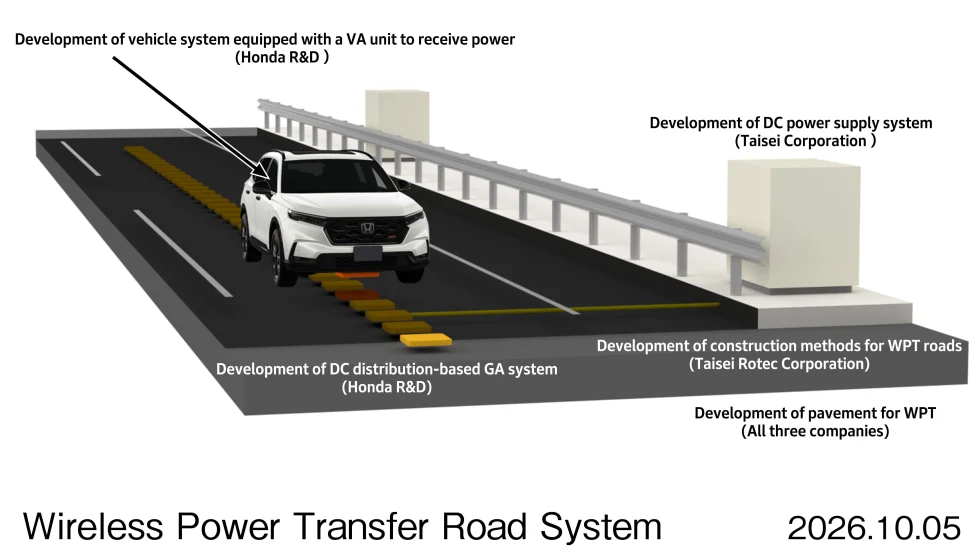
Charging In Motion
Honda has been researching wireless in-motion charging for electric vehicles since 2025, and new technology developments have put it a step closer to a final product.
Read More →
Twin Cities Stores Sell
Minnesota-based Walser Automotive Group made what it called the most significant acquisition in its history with a three-rooftop deal in Minneapolis.
Read More →
U.S. Auto Sales Still Below Prepandemic Levels
Mobility Global industry observers don’t expect the market to return to the higher volumes that became routine before Covid but to stay well below its potential.
Read More →
The Powertrain Shift
Electric-vehicle owners are backpedaling, according to new data, with product availability driving many to shift back to gas-powered engines.
Read More →
Achromatic Autos
The shades that dominate the U.S. car market don’t call attention to themselves, though grayscale may have plateaued after a 30-year upswing, research shows.
Read More →
Used-Vehicle Affordability Worsens
Listing prices in August defied seasonal trends, rising above $27,000 for the second time this year.
Read More →