


Safety Group Wants Honda Fined Over Recall

WASHINGTON — An auto safety advocacy group wants the National Highway Traffic Safety Administration to fine Honda Motor Co. over its recall of more than 2.7 million vehicles for an airbag defect that's been linked to two deaths.
The Center for Auto Safety said in a letter Monday to the National Highway Traffic Safety Administration that it wants a civil penalty against Honda "for failing to initiate a timely recall of defective driver airbag inflators that rupture and send shrapnel into the driver," reported The Detroit News.
Honda didn't immediately comment on the letter Monday.
On Friday, Honda said it was recalling 876,000 vehicles in the United States for airbag problems. It's the fifth separate recall for the issue since 2008.
In total, Honda has recalled 2.53 million vehicles in the United States — and 2.7 million worldwide — over faulty airbags that could injure drivers in what is Honda's largest-ever recall.
The airbags have been linked to about 20 incidents.
Honda said it will replace airbags in 272,779 2001-2002 vehicles because some airbags may inflate with too much pressure.
That pressure can cause the inflator to rupture. As a result, metal fragments could pass through the airbag cushion, causing injury or death to vehicle occupants, Honda said.
Honda is also recalling another 603,421 vehicles to find 640 replacement parts.
This recall now includes 2001-02 Accord, 2001-03 Civic, 2001-03 Odyssey, 2002-03 CR-V, 2003 Pilot, 2002-03 Acura 3.2 TL and 2003 Acura 3.2 CL vehicles.
The latest recall was prompted by a crash and injury in August in Florida in a Honda that hadn't been recalled, Honda spokesman Chris Martin said Friday. That prompted Honda to reassess whether it had recalled all potentially faulty airbags.
Martin said Honda is now confident it has found all potentially faulty vehicles.
At least 18 injuries and two deaths have been linked to the issue, including an 18-year-old Oklahoma high school student, Ashley Parham, who died in May 2009 when metal shards hit her after the airbag deployed in her 2001 Accord.
"Honda's submissions to NHTSA fail to disclose what it knew and when in dragging out the recall," the group said.
A NHTSA spokeswoman, Lynda Tran, said the agency has received the letter. "We have received the letter and will respond accordingly," she said.
In August 2009, NHTSA sent a letter to Honda asking questions about whether the automaker had recalled enough vehicles for the issue.
Honda said it is aware of several incidents related to this recall and expansions, and is announcing this further recall expansion to encourage all owners of included vehicles to take their vehicle to an authorized dealer.
It is very rare for NHTSA to seek to impose civil fines on automakers for failing to recall vehicles in a timely manner.
In 2010, Toyota Motor Corp. agreed to pay $48.8 million in federal fines, settling three federal investigations that found the automaker delayed recalling about 6 million vehicles. In total, the three fines are the largest ever in U.S. history.
In 2004, General Motors paid the previously largest fine — $1 million — to settle charges that it failed to conduct a timely recall to correct a safety defect. The problem involved windshield wiper failure in 581,344 vehicles manufactured in 2002 and 2003.
Under the law, the current maximum fine for failing to recall vehicles in a timely manner is $17.35 million.
More Industry
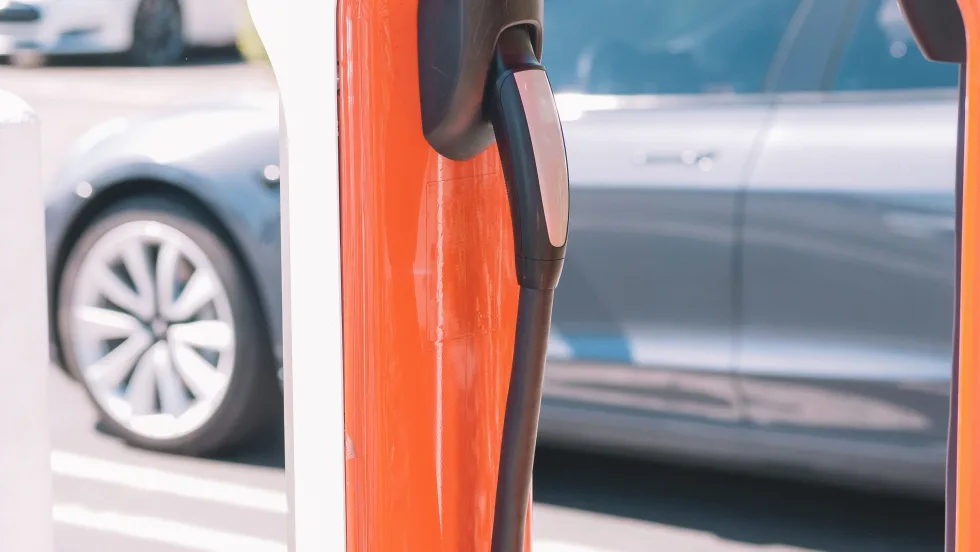
Charger Network Growth Slows
Despite a projected increase in public EV chargers in 2026, charging infrastructure remains a top concern for consumers as the gap between the most and least EV-friendly places remains substantial.
Read More →
Lenders, Consumers Take on More Auto Loan Risk
September records loosened credit access the most in over a decade as buyers took advantage of the conditions to afford trading, though loan applications fell.
Read More →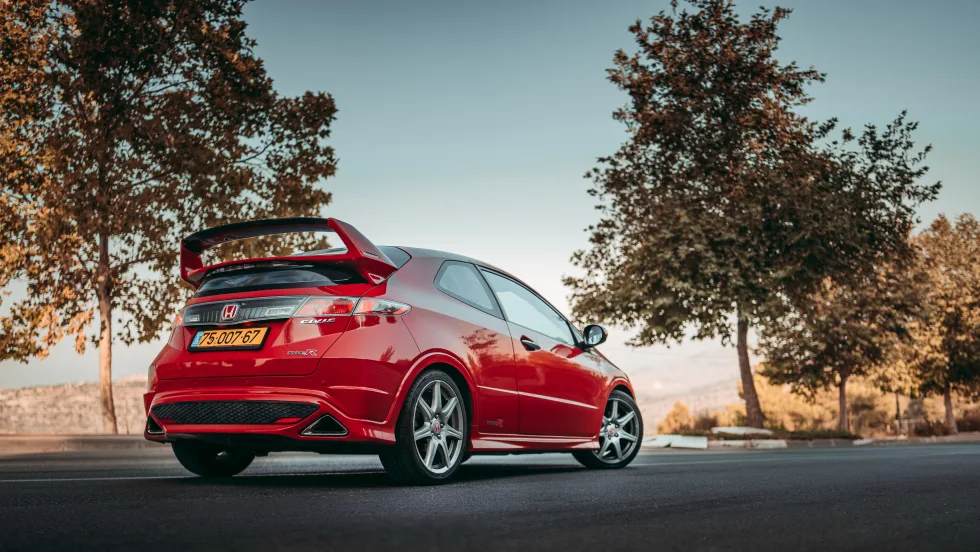
Next-Gen Hybrids in Sight
Dealerships can expect to see revamped hybrids from Honda next year as the company rolls out a new system and model lineup.
Read More →
Gem State Stores Change Hands
A larger auto group founded in the industry’s early years sold two franchises to a neighbor group that's on a growth spurt.
Read More →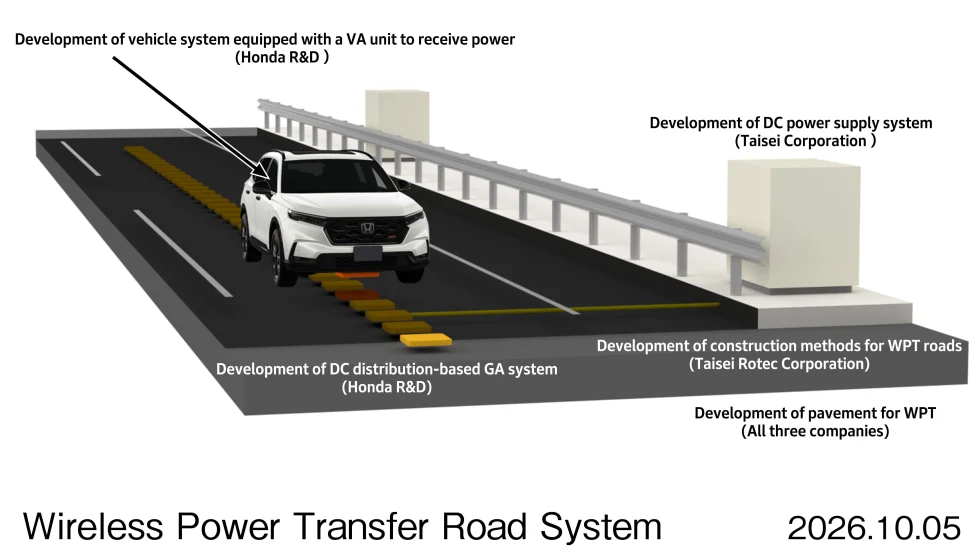
Charging In Motion
Honda has been researching wireless in-motion charging for electric vehicles since 2025, and new technology developments have put it a step closer to a final product.
Read More →
Twin Cities Stores Sell
Minnesota-based Walser Automotive Group made what it called the most significant acquisition in its history with a three-rooftop deal in Minneapolis.
Read More →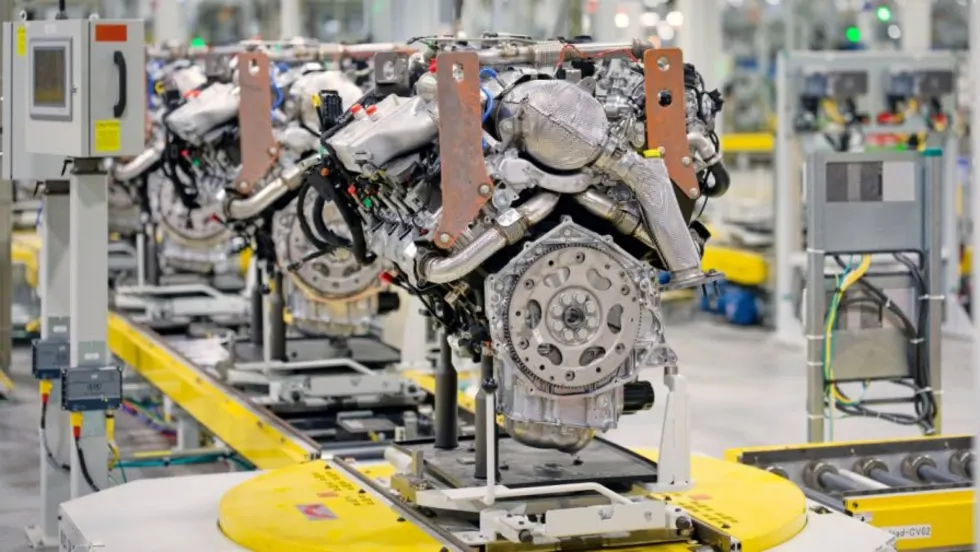
U.S. Auto Sales Still Below Prepandemic Levels
Mobility Global industry observers don’t expect the market to return to the higher volumes that became routine before Covid but to stay well below its potential.
Read More →
The Powertrain Shift
Electric-vehicle owners are backpedaling, according to new data, with product availability driving many to shift back to gas-powered engines.
Read More →
Achromatic Autos
The shades that dominate the U.S. car market don’t call attention to themselves, though grayscale may have plateaued after a 30-year upswing, research shows.
Read More →
Used-Vehicle Affordability Worsens
Listing prices in August defied seasonal trends, rising above $27,000 for the second time this year.
Read More →