


S&P/Experian: Auto Default Rate Registers Largest Increase Since December 2011

NEW YORK — Auto loan defaults in increased nine basis points from July to August, the largest month-over-month increase since December 2011, according to the S&P/Experian Consumer Credit Default Indices.
Despite the drop, the auto loan default rate remains low relative to historical levels. In fact, the rate is closer to levels recorded one year ago. The same is true for the composite rate for overall consumer defaults and first mortgage defaults, both of which increased three basis points from July.
“Overall, consumer credit defaults show no reason for alarm,” said David M. Blitzer, managing director and chairman of the Index Committee at S&P Dow Jones Indices. “Defaults on first mortgages are flat to down while defaults on auto loans have risen slightly in recent months. Consumer credit defaults on bank cards continue their upward creep since the end of 2015 despite a recent drop. The combination of an improving labor market, low inflation, and low interest rates are the principal factors behind currently favorable consumer credit conditions.”
The bank card default rate fell 12 basis points from July to 3.19% — the lowest level since December 2016. Bank cards were the only loan type to register a decrease in August.
Out of the five major cities analyzed by S&P/Experian, three registered increases in their default rates in August. New York recorded the largest increase, up 13 basis points from July to 0.95%. Los Angeles reported a rate of 0.66% for August, up three basis points from the previous month. Chicago came in at 0.94%, up four basis points from July.
Dallas reported a decrease of three basis points from the previous month to 0.74%, while Miami’s rate fell 10 basis points from July to 1.13%.
“Some future developments could affect consumer credit defaults: Auto sales have fallen since December 2016 and are down 11%. Declining auto sales and the normal end-of-model year push to make room for new cars may encourage easier credit conditions and raise concerns about future defaults,” Blitzer noted. “Hurricane damage in Houston and across Florida is creating substantial financial stress. The impact on mortgages on damaged or destroyed homes is not yet clear. Job losses and rising spending needs could lead to increased consumer credit defaults in coming months.”
More Industry
Charger Network Growth Slows
Despite a projected increase in public EV chargers in 2026, charging infrastructure remains a top concern for consumers as the gap between the most and least EV-friendly places remains substantial.
Read More →
Lenders, Consumers Take on More Auto Loan Risk
September records loosened credit access the most in over a decade as buyers took advantage of the conditions to afford trading, though loan applications fell.
Read More →
Next-Gen Hybrids in Sight
Dealerships can expect to see revamped hybrids from Honda next year as the company rolls out a new system and model lineup.
Read More →
Gem State Stores Change Hands
A larger auto group founded in the industry’s early years sold two franchises to a neighbor group that's on a growth spurt.
Read More →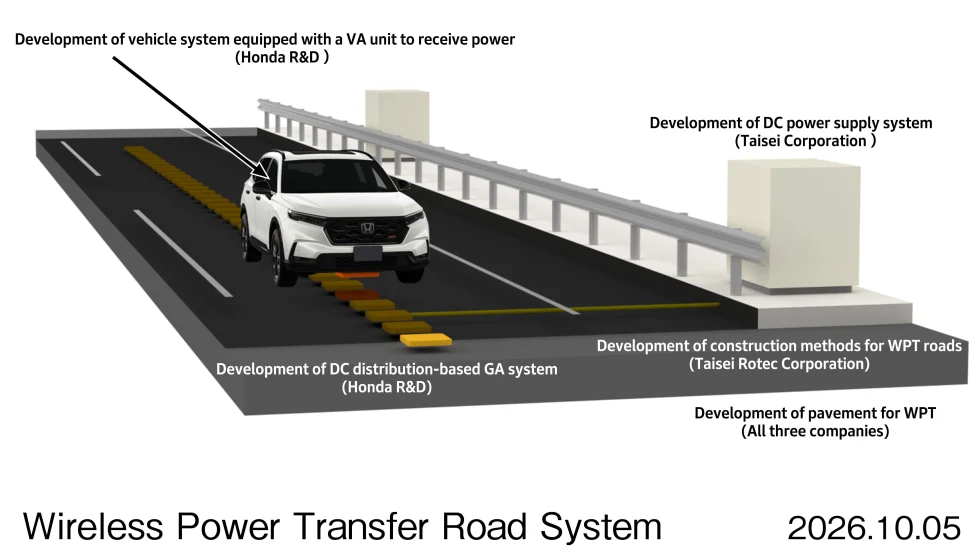
Charging In Motion
Honda has been researching wireless in-motion charging for electric vehicles since 2025, and new technology developments have put it a step closer to a final product.
Read More →
Twin Cities Stores Sell
Minnesota-based Walser Automotive Group made what it called the most significant acquisition in its history with a three-rooftop deal in Minneapolis.
Read More →
U.S. Auto Sales Still Below Prepandemic Levels
Mobility Global industry observers don’t expect the market to return to the higher volumes that became routine before Covid but to stay well below its potential.
Read More →
The Powertrain Shift
Electric-vehicle owners are backpedaling, according to new data, with product availability driving many to shift back to gas-powered engines.
Read More →
Achromatic Autos
The shades that dominate the U.S. car market don’t call attention to themselves, though grayscale may have plateaued after a 30-year upswing, research shows.
Read More →
Used-Vehicle Affordability Worsens
Listing prices in August defied seasonal trends, rising above $27,000 for the second time this year.
Read More →