


States Seek Recall of Theft-Prone Hyundai, Kia Models
They say brands haven’t done enough to protect vehicles without antitheft tech.


Officials seeking the recalls say thieves of the models have also engaged in reckless driving that has led to injuries and some deaths.
IMAGE: Pexels/M.Emin BİLİR
Eighteen states have asked the National Highway Traffic Safety Administration to recall 2011- to 2022-model Hyundai and Kia models without antitheft technology due to a rash of vehicle thefts.
The request follows a series of lawsuits brought against the carmakers by some major U.S. cities over the thefts, plus a request by nearly two dozen attorneys general for the companies to more fully address the matter.
Just this week, Hyundai announced stronger measures to counteract the thefts of models without immobilizing antitheft features, saying it worked with AAA to insure vulnerable models and has expedited a software upgrade for those vehicles. Owners of models that can’t accommodate the software upgrade will get steering wheel lock purchase reimbursements.
Despite those moves, California has now led a coalition of states seeking the recalls, saying Hyundai and Kia are failing to “take adequate steps to address the alarming rate of theft of their vehicles,” said a press release by California Attorney General Rob Bonta’s office.
Bonta said the systems of the models in question “remain out of compliance with federal standards and pose an unreasonable risk to public safety.”
“Instead of taking responsibility with appropriate corrective action, these carmakers have chosen instead to pass this risk onto consumers and our communities,” Bonta said in the release.
Models without the immobilizing technology as standard equipment were sold in the U.S. Thieves can bypass their ignition switches to start them, and some have even posted videos on social media showing others how to steal the cars.
Bonta’s office said some of the thieves have also engaged in reckless driving that has led to injuries and some deaths.
Reuters reported that Kia, whose parent is Hyundai, said that the models Bonta referred to comply with federal standards and that a recall isn’t appropriate or necessary.
LEARN MORE: Hyundai, Faced With Blowback Over Thefts, Adds Protections
Originally posted on Auto Dealer Today
More Industry
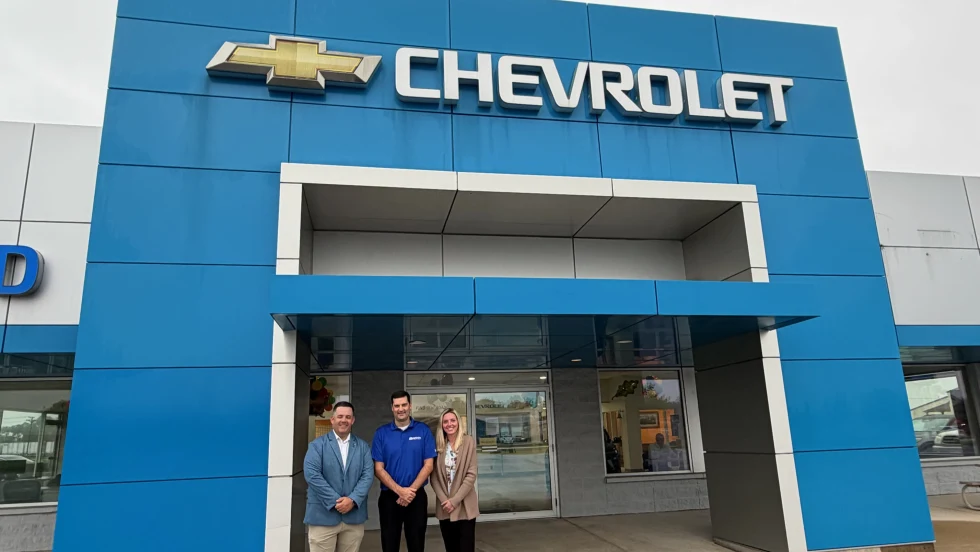
Badger State Dealership Gets New Owner
The longtime southern Wisconsin store moved from one area auto group to another, keeping the business in Dairyland.
Read More →
The Cycle of Negative Equity
Third-quarter data shows consumers still rolling over debt and stretching loan terms, raising their risk of remaining underwater.
Read More →
Charger Network Growth Slows
Despite a projected increase in public EV chargers in 2026, charging infrastructure remains a top concern for consumers as the gap between the most and least EV-friendly places remains substantial.
Read More →
Lenders, Consumers Take on More Auto Loan Risk
September records loosened credit access the most in over a decade as buyers took advantage of the conditions to afford trading, though loan applications fell.
Read More →
Next-Gen Hybrids in Sight
Dealerships can expect to see revamped hybrids from Honda next year as the company rolls out a new system and model lineup.
Read More →
Gem State Stores Change Hands
A larger auto group founded in the industry’s early years sold two franchises to a neighbor group that's on a growth spurt.
Read More →
Charging In Motion
Honda has been researching wireless in-motion charging for electric vehicles since 2025, and new technology developments have put it a step closer to a final product.
Read More →
Twin Cities Stores Sell
Minnesota-based Walser Automotive Group made what it called the most significant acquisition in its history with a three-rooftop deal in Minneapolis.
Read More →
U.S. Auto Sales Still Below Prepandemic Levels
Mobility Global industry observers don’t expect the market to return to the higher volumes that became routine before Covid but to stay well below its potential.
Read More →
The Powertrain Shift
Electric-vehicle owners are backpedaling, according to new data, with product availability driving many to shift back to gas-powered engines.
Read More →