


Tariff Sales Rush Cuts Supply
Cox analysis forecasts continued brisk spring sales eating into existing inventories, along with coming price hikes, especially for lower-priced models.

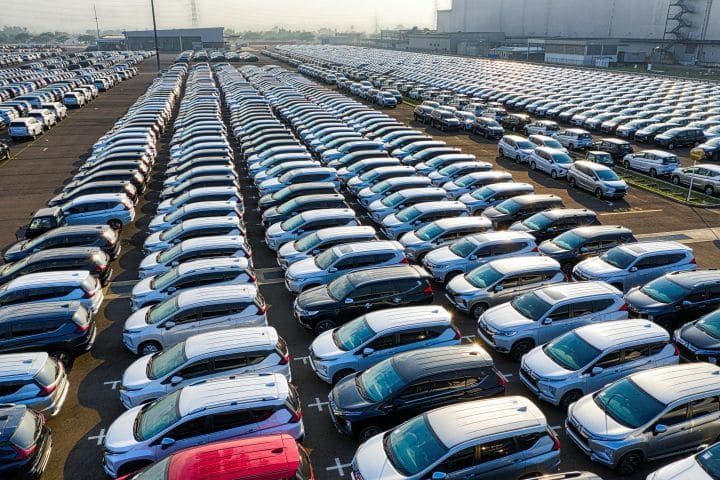
A sales increase in March cut into existing vehicle inventories ahead of U.S. trade tariffs' effects.
Pexels/Tom Fisk
Industry analysts at Cox Automotive, after a March surge in new-vehicle sales as consumers rushed to beat trade tariff impacts, expect continued strong spring sales that will further eat into existing inventory.
Days’ supply fell during the month from 89, or about three months of supply, to 71. Meanwhile, used-vehicle inventory dwindled to 38 days, though Cox pointed out that’s typical with the annual spring sales bump.
Supply conditions varied widely by brand based on inventory levels before the rush. Cox says Ford, Mazda and Hyundai inventories were all at more than four months’ worth as the month opened, while Stellantis-owned Jeep and Ram were slightly under that, and Toyota, Honda and Subaru supplies were much lower.
A key inventory metric to watch, though, will be the more affordable, high-volume models, which will be particularly vulnerable to the 25% U.S. trade tariff on imported vehicles that took effect on April 3.
Cox estimates that over 40% of 2024 new-vehicle sales were models priced under $40,000, far below the $48,000-plus average, and sees almost 80% of models under $30,000 being subject to the tariff.
It calls the new conditions “uncharted territory” and estimates that affected vehicles’ prices will rise 10% to 15% at a time that consumers were still adjusting to pandemic-era price inflation, albeit inflation that had calmed over the past two years. It also predicts 5% price increases for vehicles not subject to the full tariff.
With the tariffs, U.S. President Donald Trump is targeting increased U.S. vehicle production and also cites national security as a motivating factor. Cox urges a more thoughtful approach.
“We support manufacturing vehicles within the United States; however, it is important to acknowledge that such transitions require time and investments, which are certainly possible, but all begin with long-term stability in policy and consistent rulemaking at the borders,” said Executive Analyst Erin Keating. “The rollout of massive new tariffs at the U.S. border has been anything but.”
Originally posted on Auto Dealer Today
More Industry

Charger Network Growth Slows
Despite a projected increase in public EV chargers in 2026, charging infrastructure remains a top concern for consumers as the gap between the most and least EV-friendly places remains substantial.
Read More →
Lenders, Consumers Take on More Auto Loan Risk
September records loosened credit access the most in over a decade as buyers took advantage of the conditions to afford trading, though loan applications fell.
Read More →
Next-Gen Hybrids in Sight
Dealerships can expect to see revamped hybrids from Honda next year as the company rolls out a new system and model lineup.
Read More →
Gem State Stores Change Hands
A larger auto group founded in the industry’s early years sold two franchises to a neighbor group that's on a growth spurt.
Read More →
Charging In Motion
Honda has been researching wireless in-motion charging for electric vehicles since 2025, and new technology developments have put it a step closer to a final product.
Read More →
Twin Cities Stores Sell
Minnesota-based Walser Automotive Group made what it called the most significant acquisition in its history with a three-rooftop deal in Minneapolis.
Read More →
U.S. Auto Sales Still Below Prepandemic Levels
Mobility Global industry observers don’t expect the market to return to the higher volumes that became routine before Covid but to stay well below its potential.
Read More →
The Powertrain Shift
Electric-vehicle owners are backpedaling, according to new data, with product availability driving many to shift back to gas-powered engines.
Read More →
Achromatic Autos
The shades that dominate the U.S. car market don’t call attention to themselves, though grayscale may have plateaued after a 30-year upswing, research shows.
Read More →
Used-Vehicle Affordability Worsens
Listing prices in August defied seasonal trends, rising above $27,000 for the second time this year.
Read More →