


Thai Flood Stalls Toyota, Honda Plans to Recoup Output

Plans by Toyota Motor Corp. and Honda Motor Co. to run factories overtime to recoup production lost to parts shortages caused by Japan's earthquake may be delayed until early 2012 because of flooding in Thailand.
Toyota, Asia's biggest carmaker, is scaling back output in Japan for a third week and suspended overtime in North America for a second week as disruptions from the floods spread. Honda is temporarily eliminating overtime and running North American plants at half capacity until next week as Japan's third-largest automaker assesses its inventory, reported The Detroit News.
"For both Toyota and Honda, they really won't be able to expand production as planned until the first quarter of 2012," said Tracy Handler, a Troy-based analyst with IHS Automotive. "They've certainly been really unlucky this year."
Thailand's floods are the biggest auto industry disruption since the March 11 earthquake and tsunami in Japan, which cut vehicle production for Toyota and Honda for five months, and prompted Honda last week to abandon its earnings forecasts. Plants in Thailand may be halted until December, according to the Federation of Thai Industries' automotive club.
Toyota, scheduled to report financial results next week, said it hasn't decided on its production plans from Nov. 14 onward as it continues to assess the situation.
Mike Goss, a spokesman for Toyota's North American manufacturing unit, and Ron Lietzke, a spokesman with Honda's factory unit in Marysville, Ohio, both said the companies continue to review parts supplies and aren't discussing production plans beyond mid-November.
Separately, Ford Motor Co. told suppliers it will resume car assembly at its Auto Alliance Thailand factory on Nov. 14 after flooding disrupted production, Todd Nissen, a Ford spokesman, said in an e-mail.
Suppliers will be updated Nov. 17 about restarting truck production, he said. Dearborn-based Ford owns 50 percent of Auto Alliance Thailand in Rayong and the rest is held by Mazda Motor Corp. and a local affiliate of the Hiroshima, Japan-based company, according to a Ford website.
Toyota and Honda "will feel the pain in the current quarter of these disruptions," said Efraim Levy, a New York- based equity analyst for S&P Capital IQ, who rates Toyota's American depositary receipts "hold," and Honda's "buy." Levy, who hasn't yet calculated the financial impact of the companies' ongoing production losses, expects both to fully restore production by next quarter.
"Barring other unforeseen circumstances, there should be enough production that you shouldn't notice the difference," he said.
Toyota's reduced hours for Japanese factories, which began Oct. 24, will be extended until at least Nov. 12, the Toyota City, Japan-based carmaker said on its website.
Toyota's plants in the U.S. and Canada will continue to suspend overtime and Saturday output, while facilities in South Africa, Indonesia, the Philippines, Vietnam, Pakistan and Malaysia will also reduce production next week.
Toyota estimates the floods prevented the company from making 69,000 vehicles in Thailand since Oct. 10, and 22,000 units in Japan since Oct. 24, said Dion Corbett, a company spokesman.
Honda this week said North American auto production will be halved through Nov. 10, canceled Saturday overtime for November and said the release of the redesigned CR-V compact sport- utility vehicle may be delayed "several weeks." The Tokyo-based carmaker also warned that it may announce subsequent production cuts depending on parts supply.
Within Thailand, two Honda plants in the Rojana Industrial Park have been fully submerged since Oct. 6, Jessada Thongpak, an analyst with IHS Global Automotive, said in a report today. "It may take until late 2012 to rebuild both plants," Thongpak said.
Toyota and Honda both rely on Thailand for some electronic components, plastic and rubber parts. Owing to reduced production this year, U.S. sales for Toyota fell 8.8 percent through October, and Honda's are down 5.3 percent.
More Industry
Charger Network Growth Slows
Despite a projected increase in public EV chargers in 2026, charging infrastructure remains a top concern for consumers as the gap between the most and least EV-friendly places remains substantial.
Read More →
Lenders, Consumers Take on More Auto Loan Risk
September records loosened credit access the most in over a decade as buyers took advantage of the conditions to afford trading, though loan applications fell.
Read More →
Next-Gen Hybrids in Sight
Dealerships can expect to see revamped hybrids from Honda next year as the company rolls out a new system and model lineup.
Read More →
Gem State Stores Change Hands
A larger auto group founded in the industry’s early years sold two franchises to a neighbor group that's on a growth spurt.
Read More →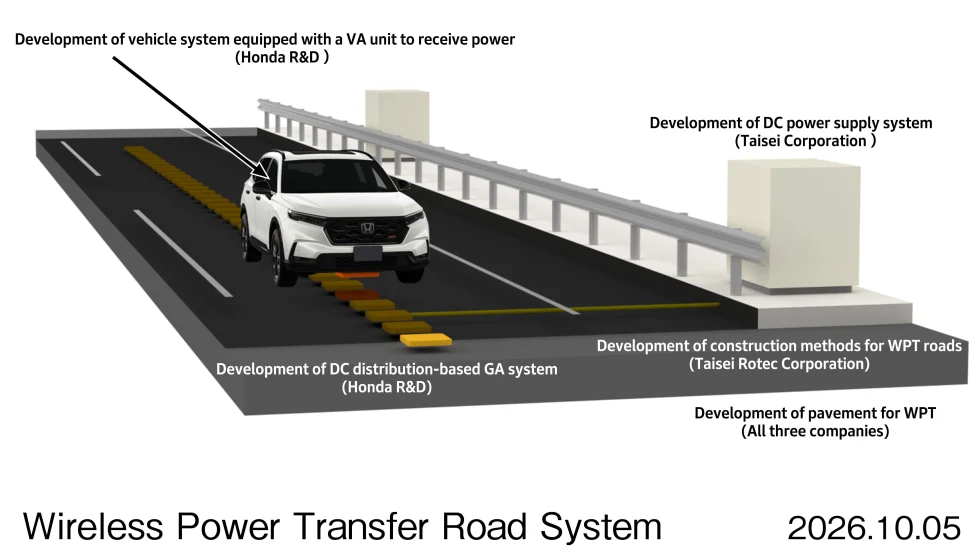
Charging In Motion
Honda has been researching wireless in-motion charging for electric vehicles since 2025, and new technology developments have put it a step closer to a final product.
Read More →
Twin Cities Stores Sell
Minnesota-based Walser Automotive Group made what it called the most significant acquisition in its history with a three-rooftop deal in Minneapolis.
Read More →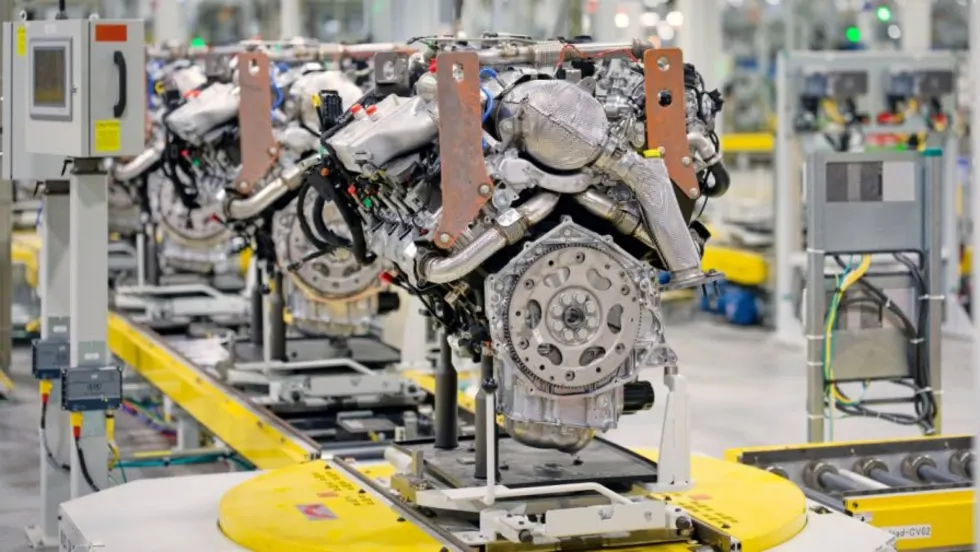
U.S. Auto Sales Still Below Prepandemic Levels
Mobility Global industry observers don’t expect the market to return to the higher volumes that became routine before Covid but to stay well below its potential.
Read More →
The Powertrain Shift
Electric-vehicle owners are backpedaling, according to new data, with product availability driving many to shift back to gas-powered engines.
Read More →
Achromatic Autos
The shades that dominate the U.S. car market don’t call attention to themselves, though grayscale may have plateaued after a 30-year upswing, research shows.
Read More →
Used-Vehicle Affordability Worsens
Listing prices in August defied seasonal trends, rising above $27,000 for the second time this year.
Read More →