


The Shine Is Off The New GM For Investors

DETROIT - The new General Motors made its Wall Street debut with much fanfare last November. The initial public offering that was supposed to max out at about $10 billion ended up raising more than double that amount.
CEO Dan Akerson had a good story to tell: The Detroit automaker had posted a $4.8 billion profit for the nine months ended Sept. 30, and new models like the Chevrolet Equinox and Cadillac SRX SUV were selling well, reported Automotive News. Two weeks after the IPO, GM was worth just $1.6 billion less than Ford Motor Co., and by mid-January the stock ran up 20 percent, to almost $40 a share, giving GM a value of $59.3 billion.
GM's feel-good moment didn't last. Since the beginning of January the stock has fallen more than 18 percent, to close Friday at $30.24 a share, which is $2.76 below its IPO price. GM's market valuation now trails Ford's by almost $8 billion. Analysts fret about the churn in GM's management ranks, the aggressive use of incentives to sell its cars, ongoing losses in Europe, and a softening in the Chinese market, where GM is the leader.
There's also the thin pipeline of new models. Add it up, and investors may be better off taking a wait-and-see approach, says Peter Nesvold, an analyst with New York research firm Jefferies.
The U.S. Treasury owned 61 percent of GM as a result of its 2009 bailout of the automaker. It sold shares equal to a 28 percent stake during the IPO and can unload the rest as early as May 18. In a January interview, Ron Bloom, head of the Obama Administration's auto-industry task force, said the government wanted to sell its GM shares "as soon as practical."
The Feds need a $53 share price to break even, and right now auto stocks are under pressure from higher oil prices and Japan's disaster, which has disrupted production for many carmakers. "Politically it would be hard for the administration to sell the remaining shares below the original deal price," says Nesvold.
A GM spokesman declined comment.
Even in China, a bright spot for GM over the last decade, there are challenges. Growth in the world's largest auto market slowed to 8 percent this year after reaching almost 30 percent in the fourth quarter. Some local governments, such as the city of Beijing, are placing restrictions on new-car sales to battle traffic congestion. In the long run, GM may struggle to sustain its 11 percent net margin in China as more competition continues to pour in.
The revolving door in GM's executive suite also has investors nervous, according to Brett D. Hoselton, analyst for KeyBanc Capital Markets. The carmaker is on its third CEO since it emerged from bankruptcy in 2009.
Same for its chief financial officers: The latest, Chris Liddell, left on Apr. 1 after 15 months on the job, saying he was ready for bigger things. He ceded the job to GM Treasurer Daniel Ammann. "I don't know what the management team will do," says Hoselton. "There's a lack of predictability."
Ammann attempted to calm Wall Street's nerves at a dinner with analysts on Apr. 7 by indicating he will be in the job for years. He also said GM's heavy spending on sales incentive - at $3,300 per vehicle, they were the highest of any major carmaker in March - will not become the status quo. Analysts said the next day they were satisfied that GM won't start a price war and may be firming up its management team.
Still, to say shareholders are feeling confident would be a stretch. Says Nesvold: "GM remains a 'show-me' story."
The bottom line: Management turnover, weakness in China, and big sales incentives have hit GM's stock, complicating Treasury's plans for an exit.
More Industry
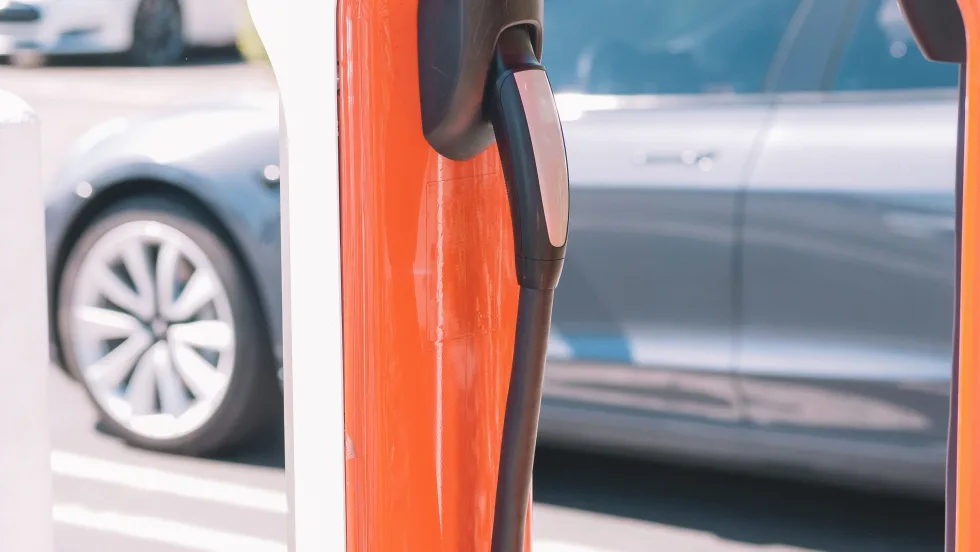
Charger Network Growth Slows
Despite a projected increase in public EV chargers in 2026, charging infrastructure remains a top concern for consumers as the gap between the most and least EV-friendly places remains substantial.
Read More →
Lenders, Consumers Take on More Auto Loan Risk
September records loosened credit access the most in over a decade as buyers took advantage of the conditions to afford trading, though loan applications fell.
Read More →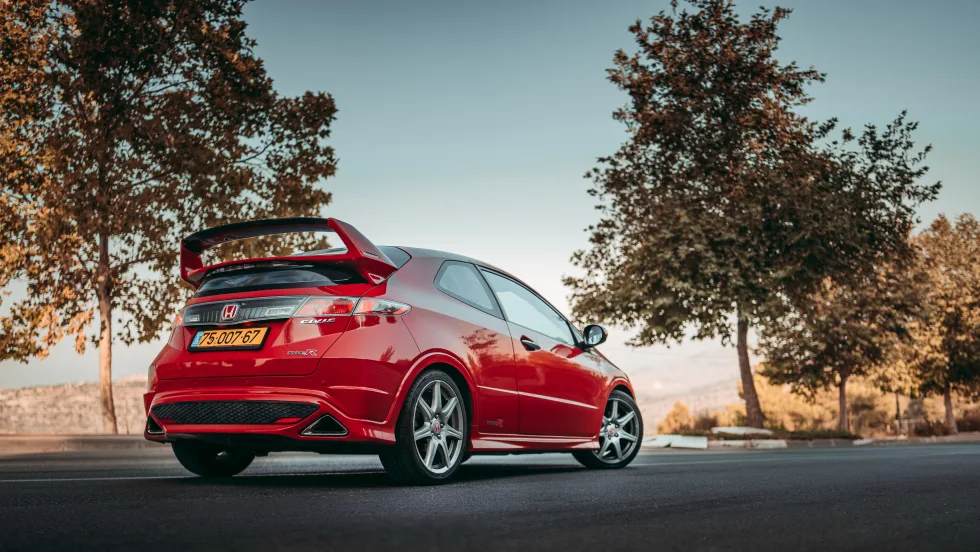
Next-Gen Hybrids in Sight
Dealerships can expect to see revamped hybrids from Honda next year as the company rolls out a new system and model lineup.
Read More →
Gem State Stores Change Hands
A larger auto group founded in the industry’s early years sold two franchises to a neighbor group that's on a growth spurt.
Read More →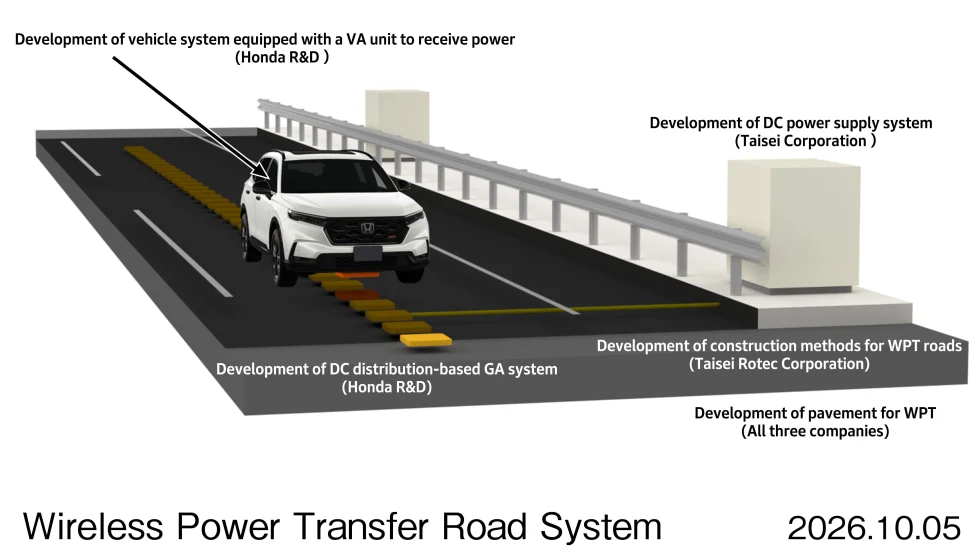
Charging In Motion
Honda has been researching wireless in-motion charging for electric vehicles since 2025, and new technology developments have put it a step closer to a final product.
Read More →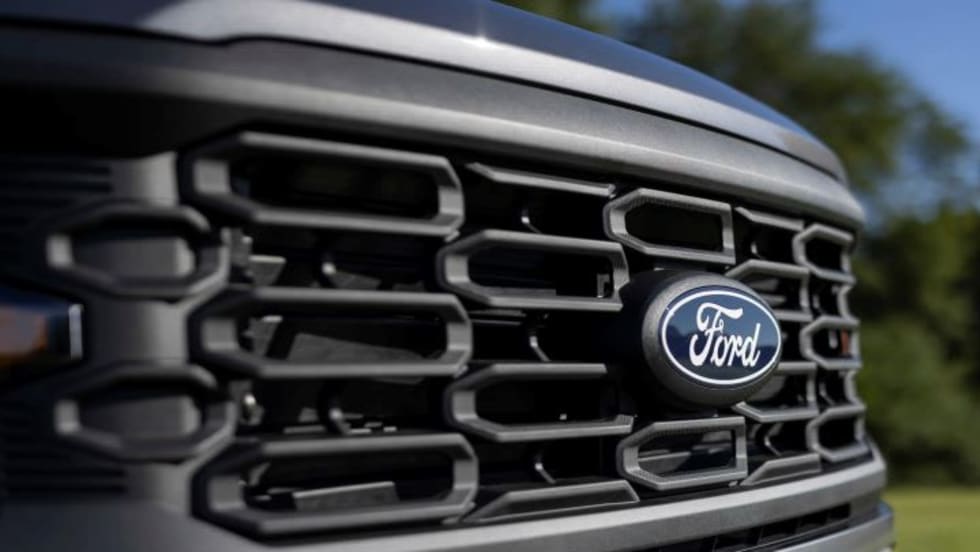
Twin Cities Stores Sell
Minnesota-based Walser Automotive Group made what it called the most significant acquisition in its history with a three-rooftop deal in Minneapolis.
Read More →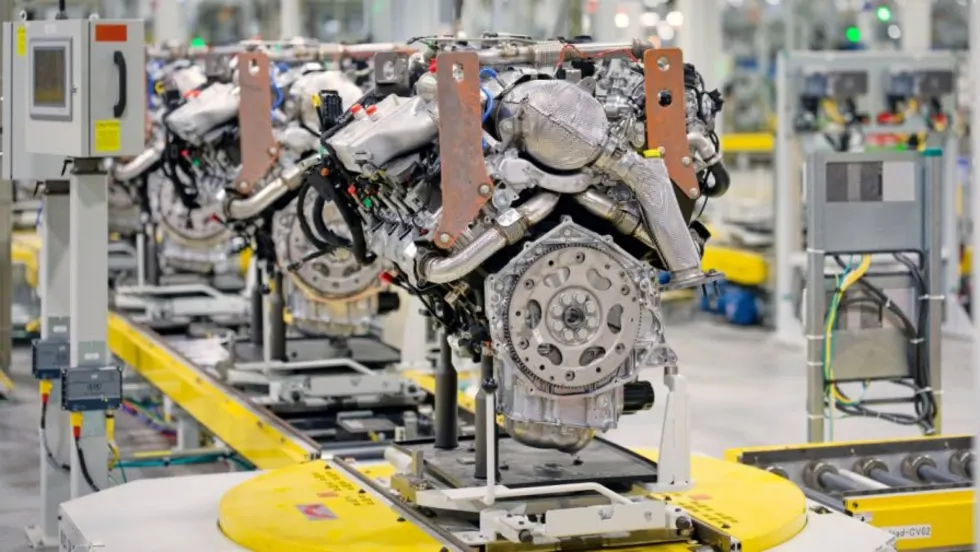
U.S. Auto Sales Still Below Prepandemic Levels
Mobility Global industry observers don’t expect the market to return to the higher volumes that became routine before Covid but to stay well below its potential.
Read More →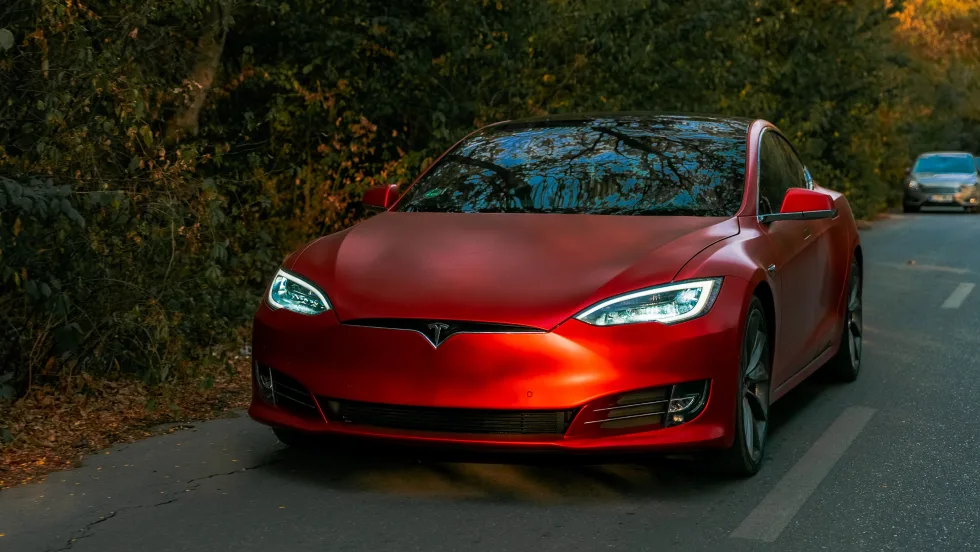
The Powertrain Shift
Electric-vehicle owners are backpedaling, according to new data, with product availability driving many to shift back to gas-powered engines.
Read More →
Achromatic Autos
The shades that dominate the U.S. car market don’t call attention to themselves, though grayscale may have plateaued after a 30-year upswing, research shows.
Read More →
Used-Vehicle Affordability Worsens
Listing prices in August defied seasonal trends, rising above $27,000 for the second time this year.
Read More →