


Time Changes Affect Traffic Deaths
Nonprofit found the two annual switches affect motorists and pedestrians differently, resulting in a wash, but pedestrian deaths in general are on the rise.

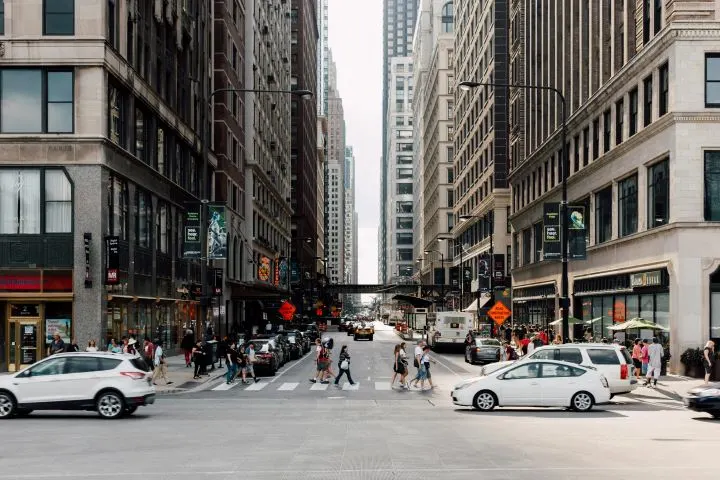
Pedestrian and cyclist traffic deaths have surged 80% and 75%, respectively, since 2009 and now account for almost a fifth of traffic fatalities.
IMAGE: Pexels/Josh Sorenson
In the ongoing debate about whether to keep daylight saving time, a new study shows that there are fewer pedestrian and cyclist road deaths with the annual springing forward in most of the U.S.
The Insurance Institute for Highway Safety report, though, indicates the time switch has little net effect on overall traffic fatalities.
Despite that, the nonprofit says preventing nonmotorist traffic deaths is important because that’s the segment of fatalities that’s growing fastest.
IIHS studied traffic fatalities data for the five weeks before and after all time changes from 2010 to 2019, targeting the times of day whose light levels were affected by the change and examining the crashes during those hours.
With the fall-back time change in the autumn, vehicle occupant deaths dropped and pedestrian and cyclist deaths increased, but with the spring-forward change with daylight saving time, the effect was reversed. Overall, with both time changes taken into account over the time period, there were 29 more vehicle occupant fatalities and 26 fewer pedestrian and cyclist traffic deaths.
IHHS theorizes that disrupted sleep patterns or rushing due to being late may factor in the vehicle occupant deaths while changing light patterns could affect the pedestrian and cyclist fatalities, as most pedestrian deaths happen after dark.
Since pedestrian fatalities hit an all-time low in 2009, they’ve surged 80% while cyclist traffic deaths have jumped 75%, and the two groups now account for almost a fifth of traffic fatalities, the nonprofit said.
“Although daylight saving time doesn’t seem to be an unequivocal safety win, this study reinforces the importance of visibility for preventing pedestrian and bicyclist crashes,” IIHS President David Harkey said. “Better lighting, especially at crosswalks, improved headlights, and reflective or light-colored clothing can help protect people when the sun goes down — whatever time that may be.”
DIG DEEPER: Distracted Driving Deaths Down But Not Out
Originally posted on Auto Dealer Today
More Industry

Charger Network Growth Slows
Despite a projected increase in public EV chargers in 2026, charging infrastructure remains a top concern for consumers as the gap between the most and least EV-friendly places remains substantial.
Read More →
Lenders, Consumers Take on More Auto Loan Risk
September records loosened credit access the most in over a decade as buyers took advantage of the conditions to afford trading, though loan applications fell.
Read More →
Next-Gen Hybrids in Sight
Dealerships can expect to see revamped hybrids from Honda next year as the company rolls out a new system and model lineup.
Read More →
Gem State Stores Change Hands
A larger auto group founded in the industry’s early years sold two franchises to a neighbor group that's on a growth spurt.
Read More →
Charging In Motion
Honda has been researching wireless in-motion charging for electric vehicles since 2025, and new technology developments have put it a step closer to a final product.
Read More →
Twin Cities Stores Sell
Minnesota-based Walser Automotive Group made what it called the most significant acquisition in its history with a three-rooftop deal in Minneapolis.
Read More →
U.S. Auto Sales Still Below Prepandemic Levels
Mobility Global industry observers don’t expect the market to return to the higher volumes that became routine before Covid but to stay well below its potential.
Read More →
The Powertrain Shift
Electric-vehicle owners are backpedaling, according to new data, with product availability driving many to shift back to gas-powered engines.
Read More →
Achromatic Autos
The shades that dominate the U.S. car market don’t call attention to themselves, though grayscale may have plateaued after a 30-year upswing, research shows.
Read More →
Used-Vehicle Affordability Worsens
Listing prices in August defied seasonal trends, rising above $27,000 for the second time this year.
Read More →