


Toyota Documents Show it Knew of Pedal Flaws in '06

WASHINGTON - Toyota Motor Corp. knew about flaws that could cause unintended acceleration more than 3 1/2 years before it recalled cars and trucks to fix the defects, according to company timelines, Bloomberg reported.
Toyota, the world's largest automaker, learned that floor mats could entrap accelerator pedals as early as Feb. 7, 2006, and was aware five months later that pedals could stick, according to documents dated March 24 that were submitted to the National Highway Traffic Safety Administration and obtained Thursday.
The timelines show what Toyota has said was a slow response that led to the recall of about 8 million vehicles worldwide starting last year to repair the two types of acceleration-related defects.
The first report was from a model year 2005 Prius hybrid "regarding floor mat interference with an accelerator pedal," according to the documents, which were sent by the carmaker to the safety agency.
Martha Voss, a Washington-based spokeswoman for Toyota, had no immediate comment.
Toyota began recalls for the two pedal-related defects after an Aug. 28 Lexus sedan crash killed off-duty California Highway Patrol officer Mark Saylor and three family members when a floor mat jammed down the accelerator pedal.
The U.S. Transportation Department this week proposed a record $16.4 million fine on Toyota after concluding the carmaker “knowingly hid a dangerous defect.” Companies have five days after learning of safety defects to report them to the auto safety regulator under U.S. law.
The timelines were sent to NHTSA's Office of Defects Investigation, which like Toyota, is facing criticism from Congress for its role in the recalls.
Toyota didn't act on the first sticky pedal report because the “problem was not reproduced and no other similar” reports were received, according to the timeline. “Toyota decided to monitor the situation in the field.”
More Industry
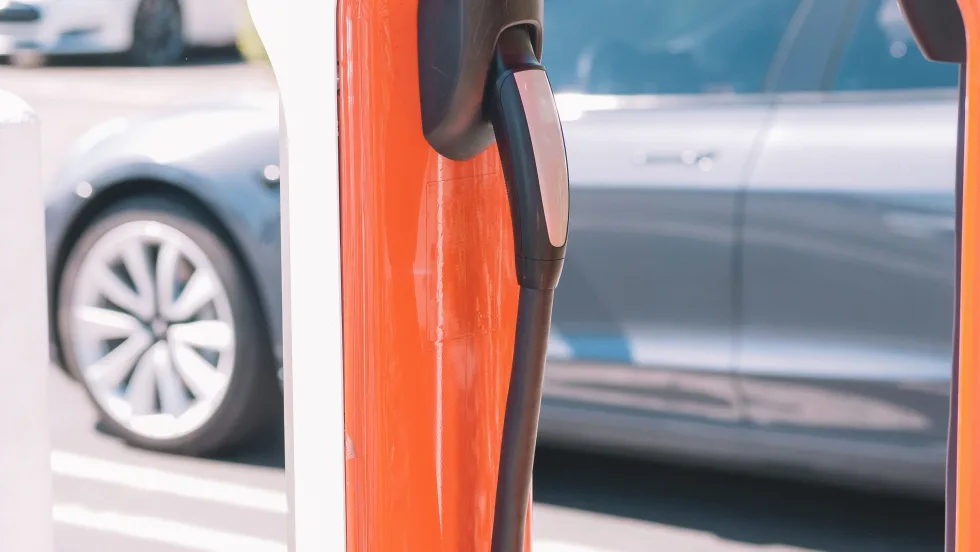
Charger Network Growth Slows
Despite a projected increase in public EV chargers in 2026, charging infrastructure remains a top concern for consumers as the gap between the most and least EV-friendly places remains substantial.
Read More →
Lenders, Consumers Take on More Auto Loan Risk
September records loosened credit access the most in over a decade as buyers took advantage of the conditions to afford trading, though loan applications fell.
Read More →
Next-Gen Hybrids in Sight
Dealerships can expect to see revamped hybrids from Honda next year as the company rolls out a new system and model lineup.
Read More →
Gem State Stores Change Hands
A larger auto group founded in the industry’s early years sold two franchises to a neighbor group that's on a growth spurt.
Read More →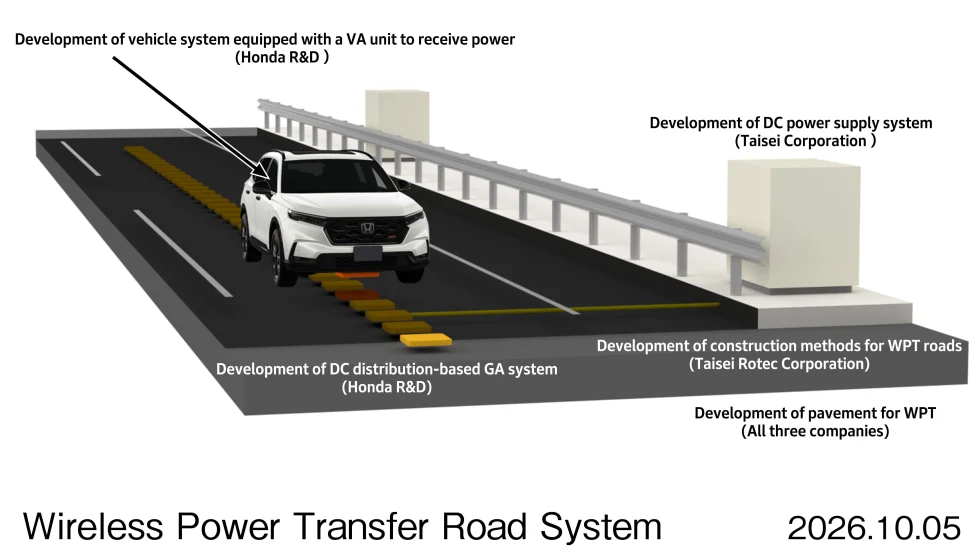
Charging In Motion
Honda has been researching wireless in-motion charging for electric vehicles since 2025, and new technology developments have put it a step closer to a final product.
Read More →
Twin Cities Stores Sell
Minnesota-based Walser Automotive Group made what it called the most significant acquisition in its history with a three-rooftop deal in Minneapolis.
Read More →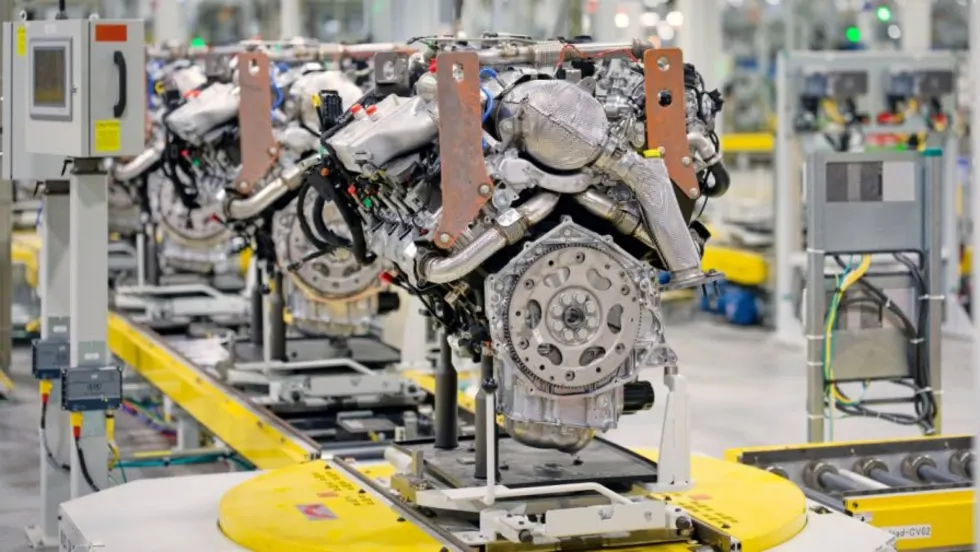
U.S. Auto Sales Still Below Prepandemic Levels
Mobility Global industry observers don’t expect the market to return to the higher volumes that became routine before Covid but to stay well below its potential.
Read More →
The Powertrain Shift
Electric-vehicle owners are backpedaling, according to new data, with product availability driving many to shift back to gas-powered engines.
Read More →
Achromatic Autos
The shades that dominate the U.S. car market don’t call attention to themselves, though grayscale may have plateaued after a 30-year upswing, research shows.
Read More →
Used-Vehicle Affordability Worsens
Listing prices in August defied seasonal trends, rising above $27,000 for the second time this year.
Read More →