


Toyota Dumps Its Forecast

Toyota Motor Corp., still recovering from a devastating earthquake that struck Japan in March, scrapped its annual earnings forecasts Tuesday because of new supply disruptions resulting from massive floods in Thailand.
The latest natural disaster, coming on the heels of the quake and deadly tsunami, a safety recall crisis and a collapse in Toyota's most lucrative market, the United States, has frustrated the automaker's recovery efforts — and created opportunities for rivals that once trailed the Japanese giant, according to The Detroit News.
Toyota is also grappling with the effects of a surging yen, which is gutting the profitability of its Japanese operations. The yen's appreciation wiped $1 billion from its earnings for the July-September quarter, the second of the Japanese fiscal year.
Toyota reported an 18.5 percent drop in quarterly profit on Tuesday to 80.4 billion yen, or$1 billion, and a 32 percent drop in operating earnings to 75.4 billion yen, or $940 million.
While Japan's auto industry has been recovering from the March quake and tsunami, Toyota's quarterly sales were down 5 percent from a year earlier at 4.57 trillion yen, or $58.7 billion.
Company officials said Toyota is assessing the impact of widespread floods in Thailand.
"It looked as though they were about to get back on track and then got hit by this latest derailment," said Chintan Talati at Santa Monica, Calif.-based pricing specialist TrueCar.com.
Toyota, which was the world's biggest automaker last year, was in third place at the end of June, behind U.S. rival General Motors Co. and Volkswagen AG of Germany.
In the U.S., Toyota's market share has shrunk by four points to 12.6 percent since 2008, according to TrueCar. A resurgent Ford Motor Co. has picked up 2.5 points of share over the same period, but the biggest beneficiary of Toyota's troubles appears to be South Korea's Hyundai-Kia Automotive Group. Its share of the U.S. market has jumped to 9 percent from 5.2 percent.
In addition to the natural disasters, Toyota is struggling with a surge in its currency to near record levels. A dollar was worth 78 yen during the second quarter, down from 86 yen a year earlier. At that level, Japan's vehicle exports aren't competitive.
The automaker is trying to maintain production in Japan of 3 million vehicles a year. But as that figure is more than double the domestic consumption, Toyota is trying to increase sales in Japan and reduce the domestic content in its vehicles, Toyota Senior Managing Officer Takahiko Ijichi said on an investor call. Among the countermeasures the company is studying, it may import more foreign-made components to Japan, he said.
For the first half of the fiscal year running from April 1 through Sept. 30, Toyota's profit slid 72 percent to 81.5 billion yen, or$1 billion. Its half-year revenue was down 17 percent at 8.02 trillion yen, or $103 billion.
Vehicle sales declined to 3.6 million from 4.2 million a year earlier.
More Industry

Charger Network Growth Slows
Despite a projected increase in public EV chargers in 2026, charging infrastructure remains a top concern for consumers as the gap between the most and least EV-friendly places remains substantial.
Read More →
Lenders, Consumers Take on More Auto Loan Risk
September records loosened credit access the most in over a decade as buyers took advantage of the conditions to afford trading, though loan applications fell.
Read More →
Next-Gen Hybrids in Sight
Dealerships can expect to see revamped hybrids from Honda next year as the company rolls out a new system and model lineup.
Read More →
Gem State Stores Change Hands
A larger auto group founded in the industry’s early years sold two franchises to a neighbor group that's on a growth spurt.
Read More →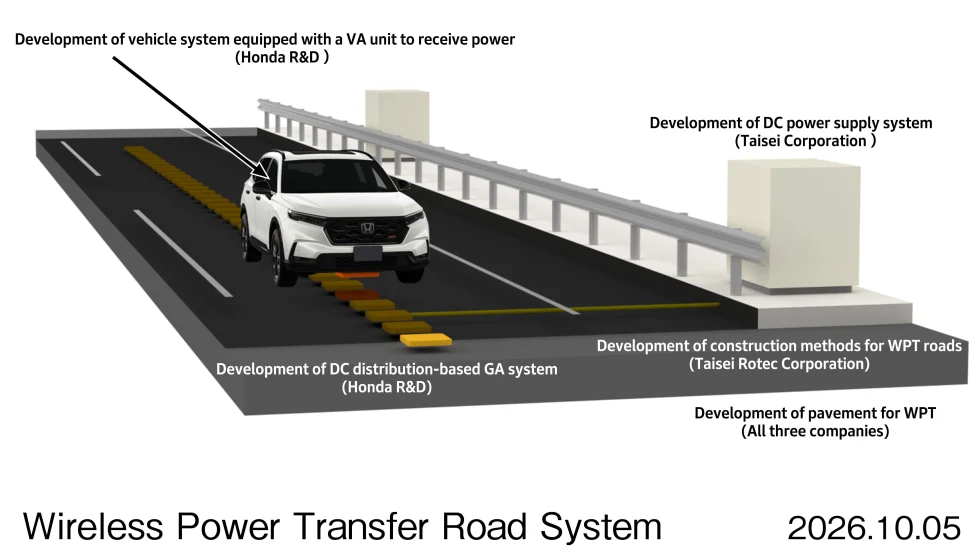
Charging In Motion
Honda has been researching wireless in-motion charging for electric vehicles since 2025, and new technology developments have put it a step closer to a final product.
Read More →
Twin Cities Stores Sell
Minnesota-based Walser Automotive Group made what it called the most significant acquisition in its history with a three-rooftop deal in Minneapolis.
Read More →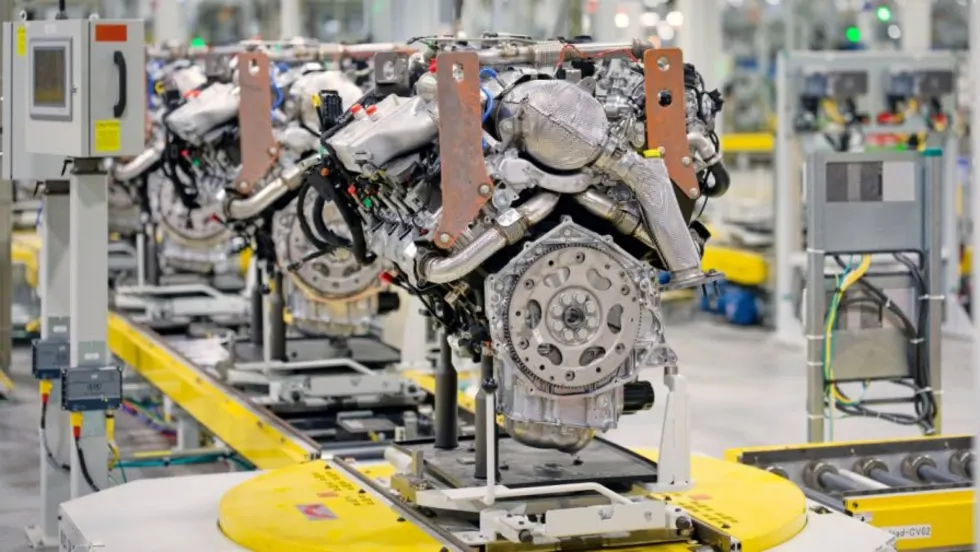
U.S. Auto Sales Still Below Prepandemic Levels
Mobility Global industry observers don’t expect the market to return to the higher volumes that became routine before Covid but to stay well below its potential.
Read More →
The Powertrain Shift
Electric-vehicle owners are backpedaling, according to new data, with product availability driving many to shift back to gas-powered engines.
Read More →
Achromatic Autos
The shades that dominate the U.S. car market don’t call attention to themselves, though grayscale may have plateaued after a 30-year upswing, research shows.
Read More →
Used-Vehicle Affordability Worsens
Listing prices in August defied seasonal trends, rising above $27,000 for the second time this year.
Read More →