


Toyota Execs Say Gasoline Will Still Power Most of Its Vehicles Through 2030
The automaker bases this assessment on a belief that electric vehicles will not catch up to gasoline-powered vehicles in terms of cost and convenience by 2030.


The automaker bases this assessment on a belief that electric vehicles will not catch up to gasoline-powered vehicles in terms of cost and convenience by 2030.
Toyota predicts gasoline will power most of its U.S. vehicles well through 2030, despite the automaker’s commitments to develop hybrid and electric vehicles.
If you take a snapshot of 2030, the price of battery EVs and the provision of infrastructure around the globe probably won’t have advanced all that much.
Company execs base the assessment on the belief that electric vehicles will not catch up to gasoline-powered vehicles in terms of cost and convenience by 2030, the Wall Street Journal reports. This reflects a different stance than the company’s primary competitors. Honda, Volvo, and General Motors recently set goals for all-electric fleets within the next decade.
“If you take a snapshot of 2030, the price of battery EVs and the provision of infrastructure around the globe probably won’t have advanced all that much,” said Toyota Exec Jun Nagata in a news conference. “Hybrids and plug-in hybrids will be easier for customers to buy.”
Toyota leaders assert customers do not want pure electric vehicles and that EVs are not necessarily better for the environment. They cite concerns that carbon emissions associated with generating electricity and producing battery materials, such as cobalt and lithium, are higher.
“The goal is not electric vehicles, the goal is carbon neutrality,” said James Kuffler, Toyota’s chief digital officer, in a news conference. “Even if we have the best technology, if it’s not chosen by customers, it will not have the impact of reducing emissions.”
Kuffler added that Toyota is “strongly positioned to lead the world in the best reliable low-cost battery-powered electric vehicles.”
Toyota must rapidly ramp up battery production to meet even a hybrid-focused plan. In fact, executives report Toyota will need to multiply current battery capacity by 30 times to meet its 2030 targets.
The company announced plans to start selling the bZ4X, a fully electric SUV, in mid-2020. But even with this announcement, Toyota lags behind other companies in introducing EVs that compete with Tesla.
The automaker also reported a net profit of $20.6 billion for the fiscal year ended March 31, a slight increase over the previous fiscal year. Toyota also forecast higher profits for the next fiscal year, driven by U.S. economic recovery and rising demand for gasoline-powered trucks and SUVs.
Originally posted on Auto Dealer Today
More Industry
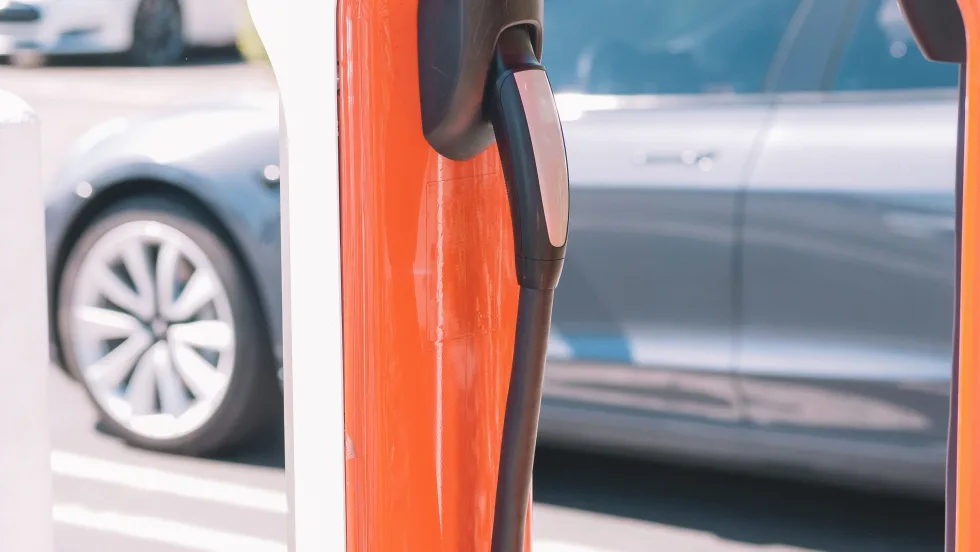
Charger Network Growth Slows
Despite a projected increase in public EV chargers in 2026, charging infrastructure remains a top concern for consumers as the gap between the most and least EV-friendly places remains substantial.
Read More →
Lenders, Consumers Take on More Auto Loan Risk
September records loosened credit access the most in over a decade as buyers took advantage of the conditions to afford trading, though loan applications fell.
Read More →
Next-Gen Hybrids in Sight
Dealerships can expect to see revamped hybrids from Honda next year as the company rolls out a new system and model lineup.
Read More →
Gem State Stores Change Hands
A larger auto group founded in the industry’s early years sold two franchises to a neighbor group that's on a growth spurt.
Read More →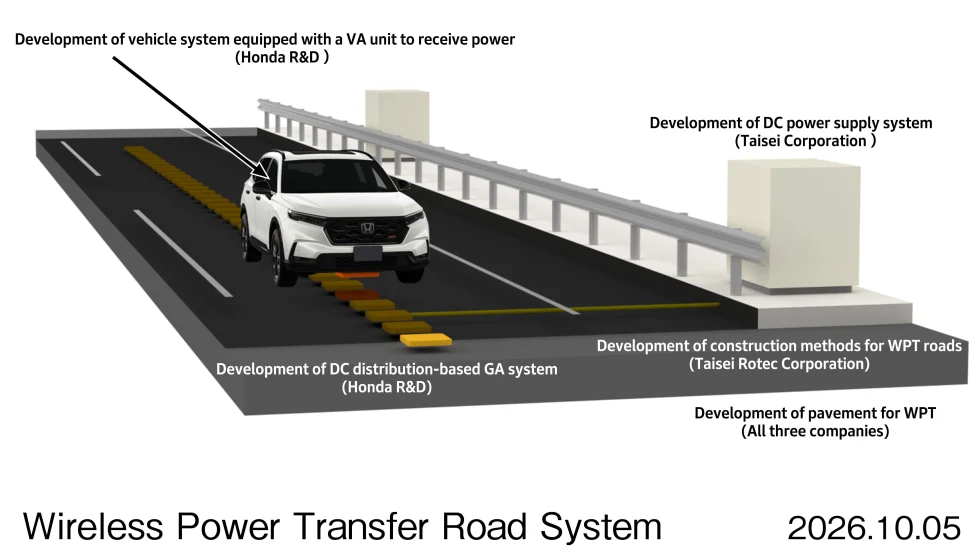
Charging In Motion
Honda has been researching wireless in-motion charging for electric vehicles since 2025, and new technology developments have put it a step closer to a final product.
Read More →
Twin Cities Stores Sell
Minnesota-based Walser Automotive Group made what it called the most significant acquisition in its history with a three-rooftop deal in Minneapolis.
Read More →
U.S. Auto Sales Still Below Prepandemic Levels
Mobility Global industry observers don’t expect the market to return to the higher volumes that became routine before Covid but to stay well below its potential.
Read More →
The Powertrain Shift
Electric-vehicle owners are backpedaling, according to new data, with product availability driving many to shift back to gas-powered engines.
Read More →
Achromatic Autos
The shades that dominate the U.S. car market don’t call attention to themselves, though grayscale may have plateaued after a 30-year upswing, research shows.
Read More →
Used-Vehicle Affordability Worsens
Listing prices in August defied seasonal trends, rising above $27,000 for the second time this year.
Read More →