


Toyota Prius Wagon Sales in 10 Weeks Top GM Volt’s 2011 Total

Toyota Motor Corp. scored a victory in 2011 as U.S. deliveries of its Prius v wagon in 10 weeks topped sales of General Motors Co.’s Chevrolet Volt plug-in hybrid that was available all year.
Toyota sold 8,399 of the hybrid wagon, which didn’t arrive at U.S. dealerships until the last week of October, said Carly Schaffner, a spokeswoman for the company. GM delivered 7,671 rechargeable Volts in 2011 and 7,997 in the model’s first 13 months on the market. The Japanese automaker hadn’t distinguished Prius v sales from those of the original one, reported Bloomberg.
“Prius v is off to a great start,” Jim Lentz, president of Toyota’s U.S. sales unit, said in an e-mail this week. The hybrid wagon starts at $26,400, Toyota said on its website. The Volt starts at $39,145 and is eligible for as much as $7,500 in federal tax credits.
Toyota, the largest gasoline-electric auto seller, wants to deliver more than 220,000 vehicles bearing the Prius name this year to U.S. customers, a 60 percent increase from 2011. That’s to be fueled by a four-car “family” consisting of the original hatchback, the v, the Prius c subcompact arriving in March, and a plug-in Prius that goes about 15 miles on battery power.
GM missed its goal of selling 10,000 Volts last year. A slow production increase kept dealers for the Detroit-based company in short supply until December, and a federal investigation of three fires that occurred after Volt crash tests lowered demand for the car, according to Bandon, Oregon- based CNW Marketing Research Inc.
Comparing the plug-in Volt with the hybrid wagon is “ridiculous,” said Rob Peterson, a GM spokesman.
“Consumers cross-shop vehicles with comparable technologies or functionality, not a new name plate,” Peterson said by e-mail. “Comparing Volt to Prius v is apples and oranges.”
The range of alternative-power autos available to U.S. drivers is mushrooming as manufacturers offer vehicles powered wholly or in part by electricity, bio-fuels, natural gas and even hydrogen. That number will jump this year with new offerings required to meet clean air rules in California.
Bloomberg News tracked sales of 37 such vehicles in 2011, up from only two in 2000. Offerings include the Prius, the Volt, Nissan Motor Co.’s Leaf and Honda Motor Co.’s FCX Clarity fuel- cell sedan leased in California.
Hybrid sales accounted for only 2.2 percent of U.S. auto sales last year, down from 2.4 percent in 2010, according to researcher LMC Automotive. The decline was a result of reduced production of the Prius, which accounts for half of all hybrid sales, after Japan’s natural disasters cut the supply of parts, said Lentz, who is based at Toyota’s U.S. sales office in Torrance, California.
The March 2011 earthquake and tsunami temporarily halted Prius assembly in Japan, leaving U.S. dealers with little inventory of the car for months. Overall Prius sales fell 3.2 percent last year to 136,463.
Toyota dealers in the U.S. also sold 9,241 hybrid midsize Camry cars, 37 percent fewer than in 2010, according to Autodata Corp., and the Toyota City, Japan-based automaker said it delivered 14,381 Lexus CT200h gas-electric compact luxury wagons in the model’s first calendar year.
Nissan sold 9,674 Leaf all-electric cars in the U.S. last year, missing its target of 10,000 to 12,000. The company said production lost to the tsunami limited availability. The Leaf averages about 73 miles per charge, according to the U.S. Environmental Protection Agency.
The Prius v wagon, larger and heavier than a standard Prius, averages 42 miles per gallon of gasoline in combined city and highway driving, compared with 50 mpg for the main version. The Volt, capable of going 35 miles on battery power, has two U.S. fuel-economy ratings: 94 mpg-equivalent when both its lithium-ion pack and gasoline engine are used, and a combined 37 mpg when powered solely by gasoline.
More Industry
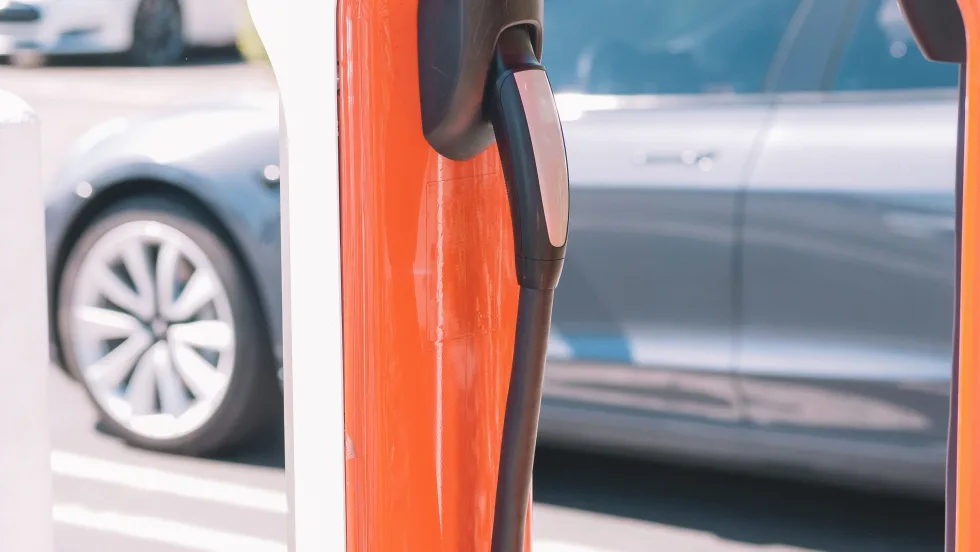
Charger Network Growth Slows
Despite a projected increase in public EV chargers in 2026, charging infrastructure remains a top concern for consumers as the gap between the most and least EV-friendly places remains substantial.
Read More →
Lenders, Consumers Take on More Auto Loan Risk
September records loosened credit access the most in over a decade as buyers took advantage of the conditions to afford trading, though loan applications fell.
Read More →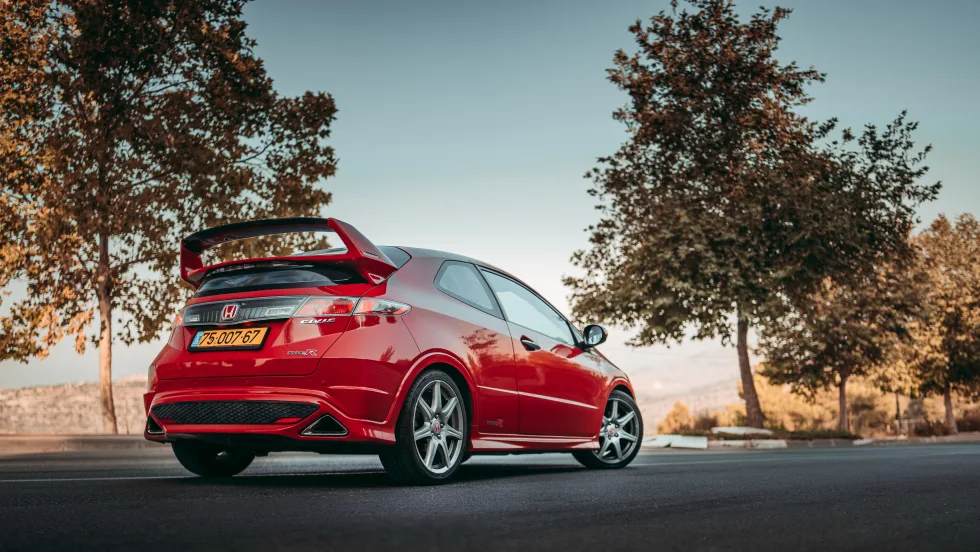
Next-Gen Hybrids in Sight
Dealerships can expect to see revamped hybrids from Honda next year as the company rolls out a new system and model lineup.
Read More →
Gem State Stores Change Hands
A larger auto group founded in the industry’s early years sold two franchises to a neighbor group that's on a growth spurt.
Read More →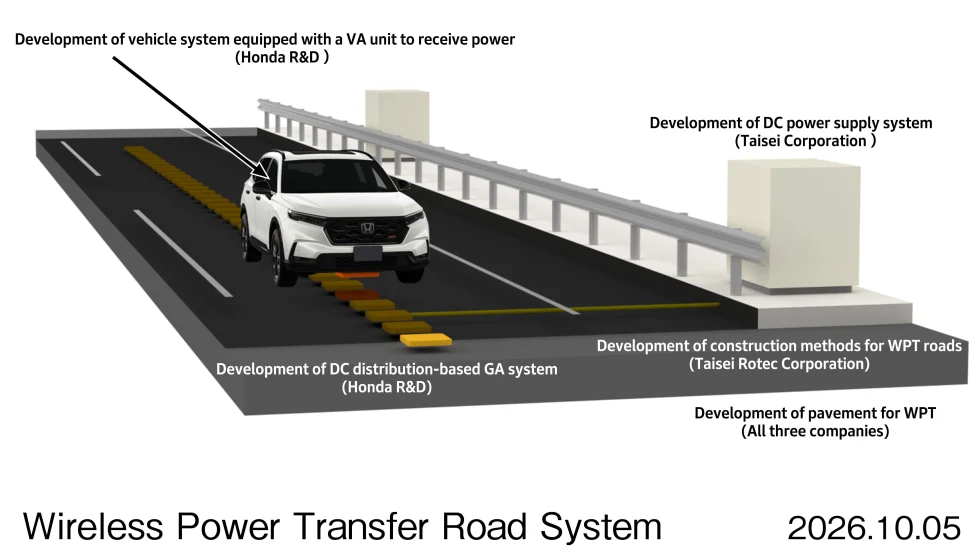
Charging In Motion
Honda has been researching wireless in-motion charging for electric vehicles since 2025, and new technology developments have put it a step closer to a final product.
Read More →
Twin Cities Stores Sell
Minnesota-based Walser Automotive Group made what it called the most significant acquisition in its history with a three-rooftop deal in Minneapolis.
Read More →
U.S. Auto Sales Still Below Prepandemic Levels
Mobility Global industry observers don’t expect the market to return to the higher volumes that became routine before Covid but to stay well below its potential.
Read More →
The Powertrain Shift
Electric-vehicle owners are backpedaling, according to new data, with product availability driving many to shift back to gas-powered engines.
Read More →
Achromatic Autos
The shades that dominate the U.S. car market don’t call attention to themselves, though grayscale may have plateaued after a 30-year upswing, research shows.
Read More →
Used-Vehicle Affordability Worsens
Listing prices in August defied seasonal trends, rising above $27,000 for the second time this year.
Read More →