


Toyota Says Investors Fail to State Securities Claim in Acceleration Suit

Toyota Motor Corp., accused by investors accusing the carmaker of misleading them by not disclosing acceleration-related defects that it allegedly knew about, asked a judge to dismiss a securities-fraud lawsuit.
Toyota said in a filing yesterday in federal court in Los Angeles that the shareholders’ case fails to state a claim under U.S. securities law, Bloomberg reported. The statements cited by the plaintiffs as misleading are puffery or “highly generalized statements about the quality and safety of Toyota vehicles” that aren’t relied on by the securities markets, the company said.
“This class action is an attempt by plaintiffs to mutate product liability, consumer and automotive industry regulatory claims into securities fraud,” Toyota said in the filing.
With other allegedly false and misleading statements cited by the investors, the complaint doesn’t identify the people who made them and doesn’t cite any facts to support that those people knew the statements were false or misleading, as is required under U.S. securities law, the carmaker said.
The shareholders, led by the Maryland State Retirement and Pension System, said in their Oct. 4 consolidated complaint that internal documents show the Toyota City, Japan-based company deliberately concealed unintended sudden acceleration problems in the U.S. They said the company knew about the defects as early as 2000 and “stonewalled” regulators to avoid recalls.
Toyota’s recalls related to sudden acceleration defects erased $30 billion in market capitalization, the investors said. The Maryland pension fund seeks to represent investors who bought Toyota’s American depositary receipts from May 10, 2005, to Feb. 2, 2010.
The fund also wants to represent investors who bought the carmaker’s common stock in domestic transactions during that period as well as, through claims made under Japanese law, all investors who bought the common stock during that time, according to the complaint.
Toyota said in yesterday’s filing that the U.S. court doesn’t have jurisdiction over claims brought under Japan’s Financial Instruments and Exchange Act. The carmaker said the plaintiffs added the Japanese law claims “to make an end-run around” a U.S. Supreme Court decision last year that prevents investors from suing under U.S. law for securities traded on foreign exchanges.
Gerald Silk, a lawyer representing the Maryland pension fund, didn’t immediately return a call seeking comment after regular business hours.
Toyota’s American depositary receipts, each representing two common shares, fell 64 cents to $83.36 in New York Stock Exchange composite trading yesterday.
The case is In re Toyota Motor Corp. Securities Litigation, 10-00922, U.S. District Court, Central District of California (Los Angeles.)
More Industry

Charger Network Growth Slows
Despite a projected increase in public EV chargers in 2026, charging infrastructure remains a top concern for consumers as the gap between the most and least EV-friendly places remains substantial.
Read More →
Lenders, Consumers Take on More Auto Loan Risk
September records loosened credit access the most in over a decade as buyers took advantage of the conditions to afford trading, though loan applications fell.
Read More →
Next-Gen Hybrids in Sight
Dealerships can expect to see revamped hybrids from Honda next year as the company rolls out a new system and model lineup.
Read More →
Gem State Stores Change Hands
A larger auto group founded in the industry’s early years sold two franchises to a neighbor group that's on a growth spurt.
Read More →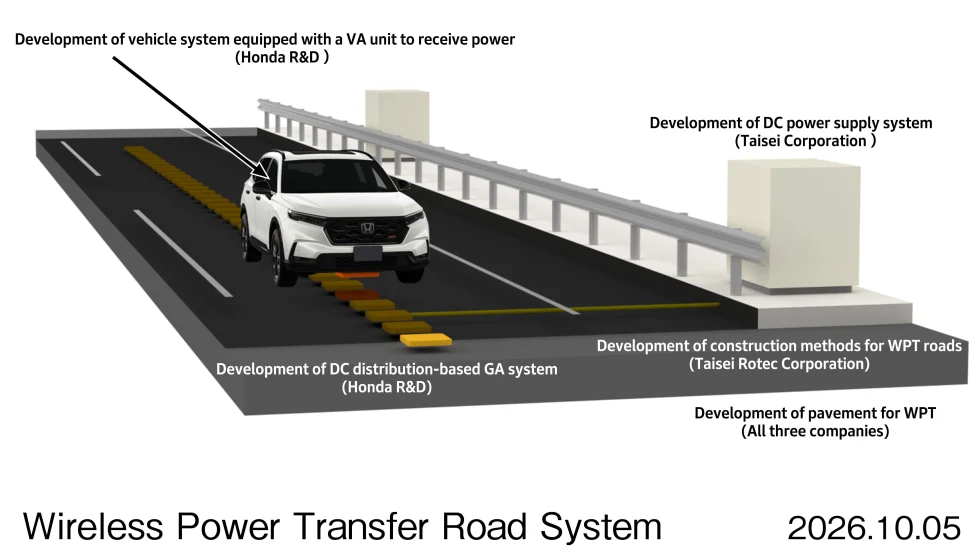
Charging In Motion
Honda has been researching wireless in-motion charging for electric vehicles since 2025, and new technology developments have put it a step closer to a final product.
Read More →
Twin Cities Stores Sell
Minnesota-based Walser Automotive Group made what it called the most significant acquisition in its history with a three-rooftop deal in Minneapolis.
Read More →
U.S. Auto Sales Still Below Prepandemic Levels
Mobility Global industry observers don’t expect the market to return to the higher volumes that became routine before Covid but to stay well below its potential.
Read More →
The Powertrain Shift
Electric-vehicle owners are backpedaling, according to new data, with product availability driving many to shift back to gas-powered engines.
Read More →
Achromatic Autos
The shades that dominate the U.S. car market don’t call attention to themselves, though grayscale may have plateaued after a 30-year upswing, research shows.
Read More →
Used-Vehicle Affordability Worsens
Listing prices in August defied seasonal trends, rising above $27,000 for the second time this year.
Read More →