


Toyota Sees At Least 6 Months Before Normal Production

TOKYO - Toyota Motor Corp., hit hard by last month's Japanese earthquake, says it will take at least until November for production to return to normal – overseas and at home – but that factory suspensions have bottomed out and output will start rebounding this summer.
The announcement makes the world's biggest automaker the first to publicly forecast a return to pre-quake levels and offers a peek at how long it may take other Japan carmakers to recover, reported Automotive News.
Toyota President Akio Toyoda said today he outlined the timeframe – despite its being long-range and vague – to help dealers with planning. Until now, they have been hamstrung in pitching their products and handling customers because of looming uncertainty about inventories.
"By telling dealers the timing of the recovery, they can have a better conversation with their customers," Toyoda said at a news conference. "Dealers right now cannot talk to their customers about delivery timing. They can't talk about specifics. Sales people are having a difficult time."
Toyota expects output overseas and in Japan to return to pre-quake levels in November or December. In Japan, output that currently hovers around 50 percent of the normal rate will start increasing in July as the final kinks in the supply chain get worked out.
Factories in other countries will begin ramping up production from current levels in August.
Atsushi Niimi, executive vice president for global manufacturing, said U.S. production levels – expected to be around 30 percent normal – will inch along at that rate until August.
"I think that's the lowest production will drop," Niimi said.
Toyota recently has announced several production cuts for plants in the United States. Assembly plants there will operate for only three days a week. And when they are running, they will work at only half the normal pace. That brings total output to about 30 percent of pre-quake levels because the plants will lie completely idle on both Mondays and Fridays.
Like other Japanese automakers, Toyota has been suspending production amid global parts shortages triggered by the March 11 earthquake that hammered Japan's supply chain. Toyota also announced this week that it would slash utilization of its plants in China to as low as 30 percent.
It has made other production cuts in Europe.
Toyoda stressed that his comeback plan is still very fragile.
"Just last night in the area around Tokyo, we had another aftershock," Toyoda said. "Because of such things, it can reverse the progress being made. So it is difficult to read what will happen."
He wouldn't speculate on how it would impact earnings or about how many units of production would be lost globally, with plants limping along for months to come.
Through the end of April alone, Toyota expects to lose 500,000 units globally.
Shinichi Sasaki, executive vice president in charge of purchasing, said models that share many commonized parts will be first returning to normal production.
Toyoda said the company is considering support to its dealers as sales sag. In Japan, that will entail help in seeking public support or in attracting after-service repair work.
He didn't outline any plans for dealers overseas. Spokesman Masami Doi said actions to support U.S. dealers would be handled through its local sales arm, Toyota Motor Sales U.S.A.
"The best thing we can do for those dealers is supply cars as quickly as possible," Toyoda said.
Toyota will also tweak procurement to better guard against supply shocks, Sasaki said. While it will stick with a just-in-time approach of keeping low parts inventories, it will spread risk better.
That will include moving more parts production overseas – especially lower tier suppliers, he said. That way, U.S. parts plants won't be as reliant on imported subcomponents.
"We have to consider being able to procure the entire part locally," Sasaki said. "We would like to ask our suppliers to consider setting up shop overseas."
More Industry
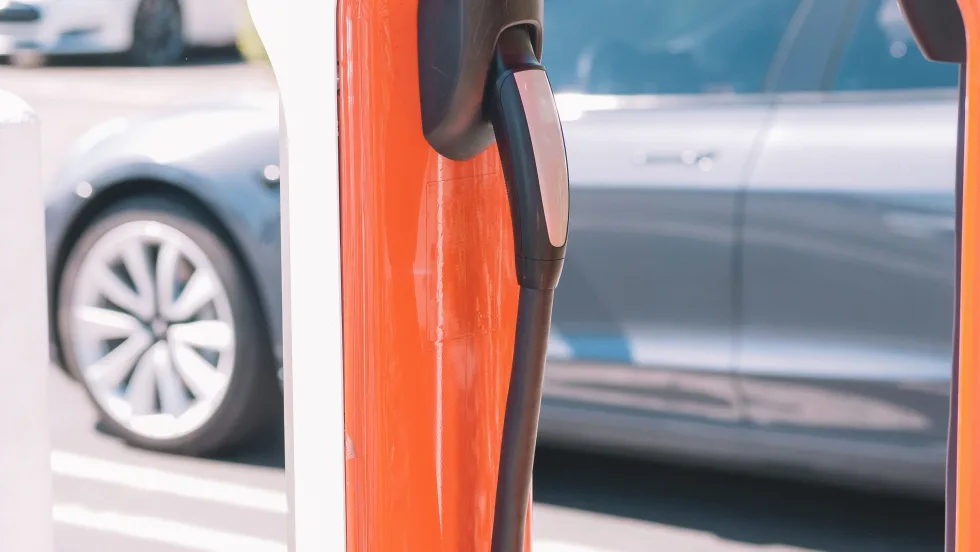
Charger Network Growth Slows
Despite a projected increase in public EV chargers in 2026, charging infrastructure remains a top concern for consumers as the gap between the most and least EV-friendly places remains substantial.
Read More →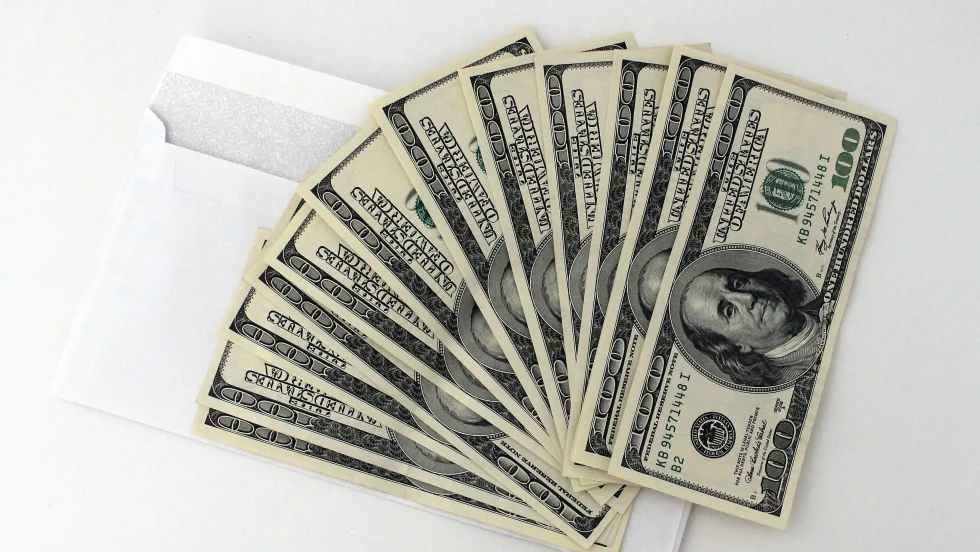
Lenders, Consumers Take on More Auto Loan Risk
September records loosened credit access the most in over a decade as buyers took advantage of the conditions to afford trading, though loan applications fell.
Read More →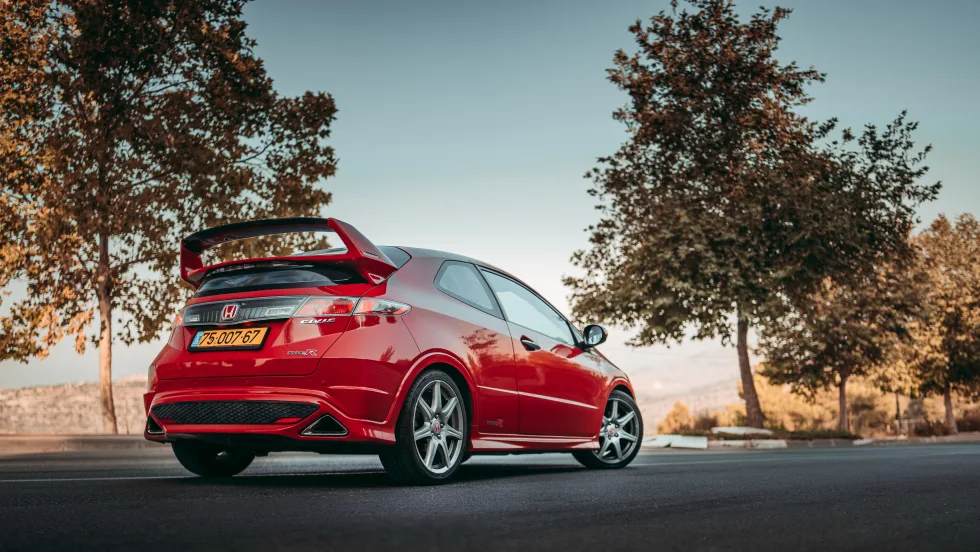
Next-Gen Hybrids in Sight
Dealerships can expect to see revamped hybrids from Honda next year as the company rolls out a new system and model lineup.
Read More →
Gem State Stores Change Hands
A larger auto group founded in the industry’s early years sold two franchises to a neighbor group that's on a growth spurt.
Read More →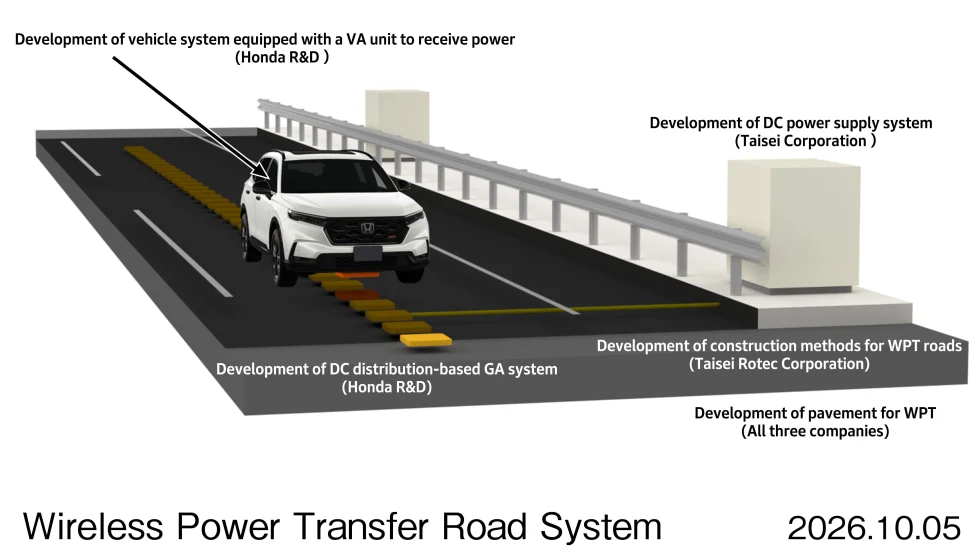
Charging In Motion
Honda has been researching wireless in-motion charging for electric vehicles since 2025, and new technology developments have put it a step closer to a final product.
Read More →
Twin Cities Stores Sell
Minnesota-based Walser Automotive Group made what it called the most significant acquisition in its history with a three-rooftop deal in Minneapolis.
Read More →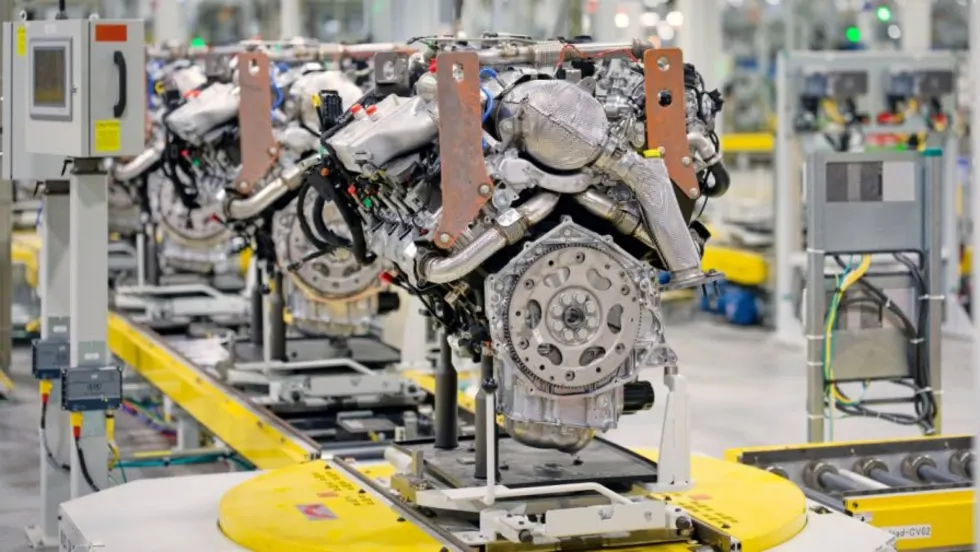
U.S. Auto Sales Still Below Prepandemic Levels
Mobility Global industry observers don’t expect the market to return to the higher volumes that became routine before Covid but to stay well below its potential.
Read More →
The Powertrain Shift
Electric-vehicle owners are backpedaling, according to new data, with product availability driving many to shift back to gas-powered engines.
Read More →
Achromatic Autos
The shades that dominate the U.S. car market don’t call attention to themselves, though grayscale may have plateaued after a 30-year upswing, research shows.
Read More →
Used-Vehicle Affordability Worsens
Listing prices in August defied seasonal trends, rising above $27,000 for the second time this year.
Read More →