


Toyota Sets Sights on Carbon Neutrality in Europe by 2040
Toyota maintains operations in Europe will be carbon neutral by 2040, at Toyota Motor Europe’s annual Kenshiki presentation in Brussels.

Toyota maintains operations in Europe will be carbon neutral by 2040, at Toyota Motor Europe’s annual Kenshiki presentation in Brussels.
IMAGE: Toyota
Toyota maintains operations in Europe will be carbon neutral by 2040, at Toyota Motor Europe’s (TME) annual Kenshiki presentation in Brussels.
Marvin Cooke, executive vice president of manufacturing for TME, outlined how the company plans to make its European manufacturing facilities carbon-neutral. The automaker, he said, will minimize energy consumption, switch to green energy and implement continuous improvement innovations to reduce or eliminate CO2 emissions.
He noted these efforts are already underway, with the automaker installing solar panels “equivalent to 10 football pitches” and recycling over 90% of the waste at its engine plant in Deeside in the U.K.
“We expect to be carbon-neutral as early as 2025,” he told Ward’s Auto. “(With) activities outside our direct control, such as upstream supply and logistics, the challenge is greater and one we will achieve in close collaboration with our partners and suppliers.”
Matt Harrison, president and CEO of TME, reported the company has two focus areas. “The first is carbon neutrality and how we plan to achieve it in areas of our business, and the second is the future of mobility as we transition from a manufacturing and sales company to a provider of mobility services,” he said.
Gill Pratt, chief scientist of Toyota Motor Corp. and CEO of Toyota Research Institute, shared how the automaker plans to approach decarbonization globally. Its efforts will include using multiple electrified technologies and optimizing the use of scarce resources to improve carbon reduction.
Toyota’s multi-powertrain-technology strategy will include battery-powered and hydrogen powered vehicles. Company leaders explain the short supply and high costs of battery materials and the lack of infrastructure make a combination of battery-electric, plug-in hybrid-electric, hybrid-electric and fuel-cell vehicles the best approach to reducing CO2 emissions over the next decade.
“We must do what is best for the environment, which is to extract the most carbon reduction from each battery cell produced, replacing as many non-electrified vehicles as possible with electrified ones, guided by the simple principle that carbon is the enemy, not any particular powertrain,” Pratt explained.
Originally posted on Auto Dealer Today
More Industry
Charger Network Growth Slows
Despite a projected increase in public EV chargers in 2026, charging infrastructure remains a top concern for consumers as the gap between the most and least EV-friendly places remains substantial.
Read More →
Lenders, Consumers Take on More Auto Loan Risk
September records loosened credit access the most in over a decade as buyers took advantage of the conditions to afford trading, though loan applications fell.
Read More →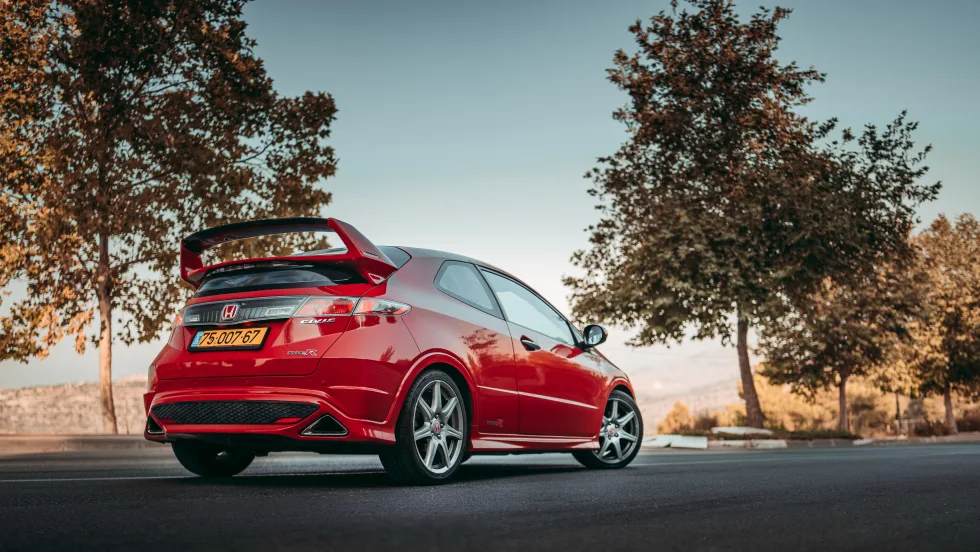
Next-Gen Hybrids in Sight
Dealerships can expect to see revamped hybrids from Honda next year as the company rolls out a new system and model lineup.
Read More →
Gem State Stores Change Hands
A larger auto group founded in the industry’s early years sold two franchises to a neighbor group that's on a growth spurt.
Read More →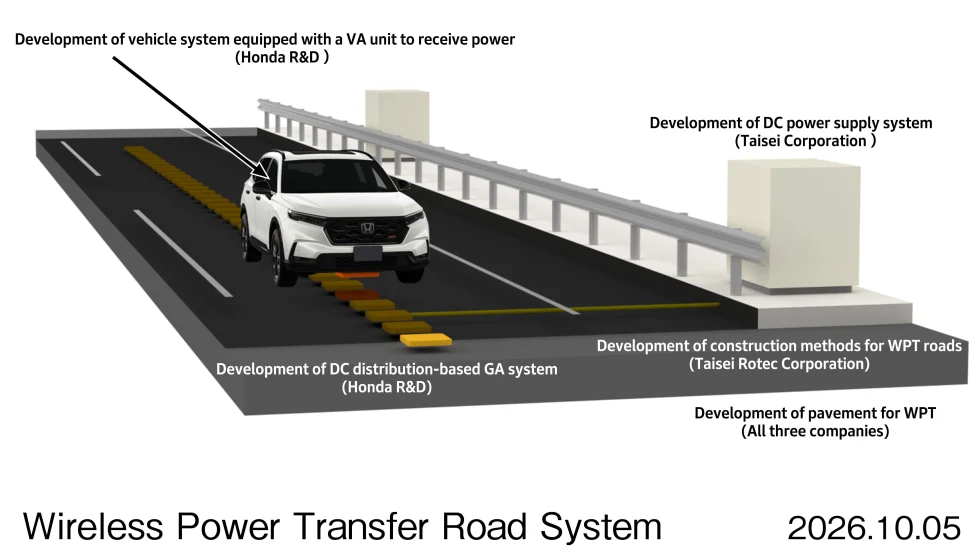
Charging In Motion
Honda has been researching wireless in-motion charging for electric vehicles since 2025, and new technology developments have put it a step closer to a final product.
Read More →
Twin Cities Stores Sell
Minnesota-based Walser Automotive Group made what it called the most significant acquisition in its history with a three-rooftop deal in Minneapolis.
Read More →
U.S. Auto Sales Still Below Prepandemic Levels
Mobility Global industry observers don’t expect the market to return to the higher volumes that became routine before Covid but to stay well below its potential.
Read More →
The Powertrain Shift
Electric-vehicle owners are backpedaling, according to new data, with product availability driving many to shift back to gas-powered engines.
Read More →
Achromatic Autos
The shades that dominate the U.S. car market don’t call attention to themselves, though grayscale may have plateaued after a 30-year upswing, research shows.
Read More →
Used-Vehicle Affordability Worsens
Listing prices in August defied seasonal trends, rising above $27,000 for the second time this year.
Read More →