


Toyota, Stellantis Plan to Build North American EV-Battery Factories
Toyota Motor Corp. and Stellantis have announced plans to build battery factories in North America to meet the U.S. government’s push for electric vehicles and the batteries that power them.

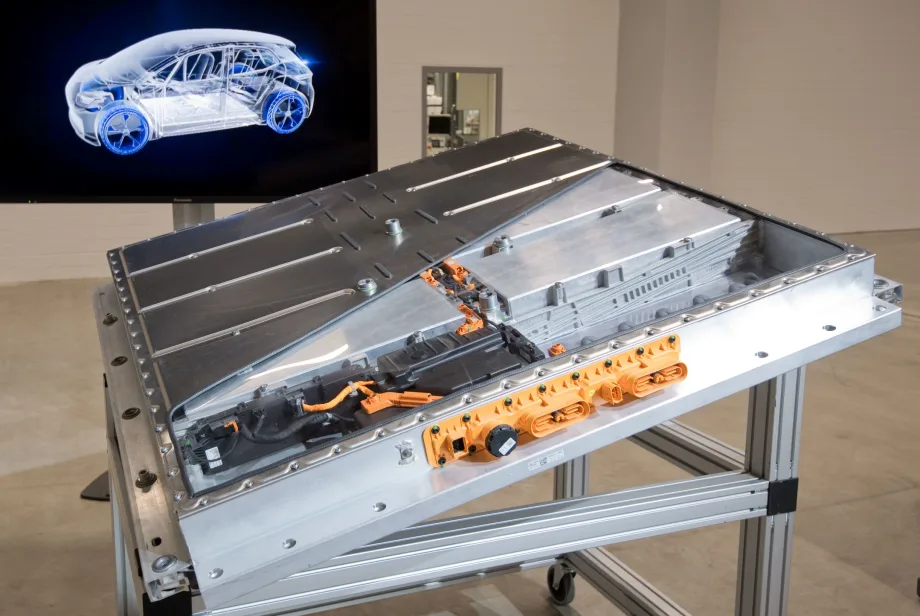
Volkswagen D3-EV battery pack.
Volkswagen
Toyota announced intentions to spend $3.4 billion through 2030 to build electric-car batteries in the U.S. Previously, the automaker announced plans to spend $9 billion to build battery factories around the globe as part of a $13.5 billion battery plan that included research.
Toyota reports its new U.S. battery plant will initially concentrate on producing batteries for hybrid models.
Toyota doesn’t provide a full breakdown on U.S. spending but reported it and an affiliated company will invest $1.29 billion on a new battery plant that will start production in 2025 and create 1,750 new jobs.
Stellantis reported it had partnered with LG Energy Solution, the battery-manufacturing arm of South Korea’s LG conglomerate, to build a factory for lithium-ion batteries in North America. The companies didn’t disclose the size of investment but report the plant will produce batteries with a combined output of up to 40 gigawatt hours, enough to supply hundreds of thousands of EVs.
Most automakers will take two paths to supply EV batteries. Toyota and Ford Motor Co. plan to build EV batteries in-house, while Stellantis and General Motors plan to partner with electronics manufacturers for their batteries.
Toyota plans to sell 25 different EV models by 2025. Currently the automaker does not mass-market EVs in the U.S., but Toyota plans to have its first model ready in 2022. By 2030, Toyota targets selling 2 million EVs a year globally.
In contrast, GM plans to spend $35 billion on EVs and battery plants through 2025, and Stellantis plans to spend $3.5 billion over the same period.
Toyota CEO Akio Toyoda has criticized the push to restrict the sale of gasoline-powered cars, saying the move will cost millions of jobs and put the price of cars out of reach for most buyers. Many car makers and suppliers echo Toyoda’s sentiments.
Toyota predicts most of its vehicles sold in the U.S. will be at least partially powered by gasoline engines. The company believes its hybrid vehicles, which combine an electric motor with a gasoline engine, offer environmental friendliness in an affordable package.
The investment comes as Congress considers proposals to expand incentives to make EVs more affordable. The legislation proposes offering buyers an additional rebate of up to $4,500 for battery-powered models built in the U.S. by unionized labor.
Automakers without unionized workers will not be eligible for the full incentives under the proposed legislation. These automakers have criticized the legislative proposals, saying they put them at a disadvantage.
Originally posted on Auto Dealer Today
More Product & Technology

Set Yourself Apart
Product providers can follow the lead of industry cohorts in the practice of leveraging their brands through private labeling, pumping new energy into their platforms to stand out from competitors.
Read More →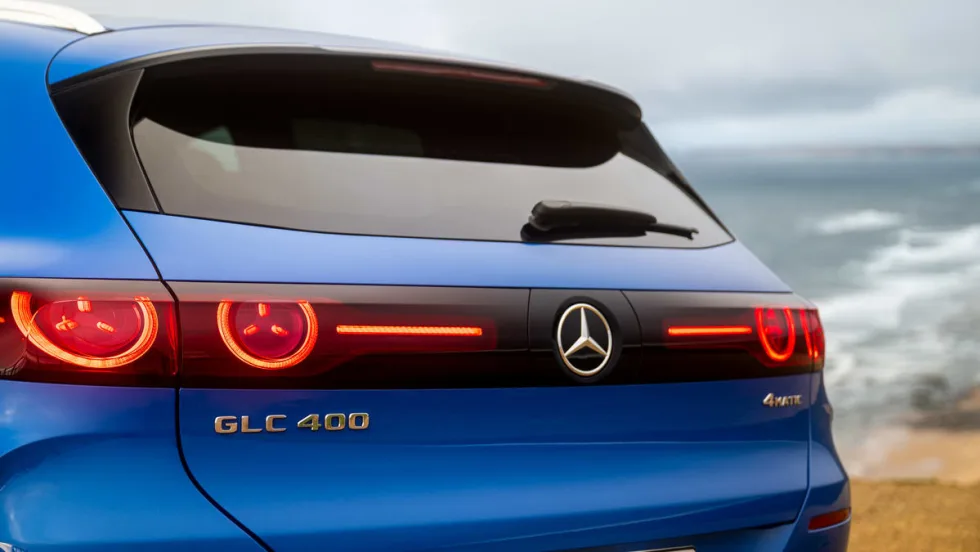
EVs Excel at Longevity
Research finds that after a certain mileage point, they outlast gas and diesel vehicles despite being driven more.
Read More →
Integrating AI Into Your Admin System
It’s important for finance-and insurance administrators to build the technology into their existing systems instead of bolting it on.
Read More →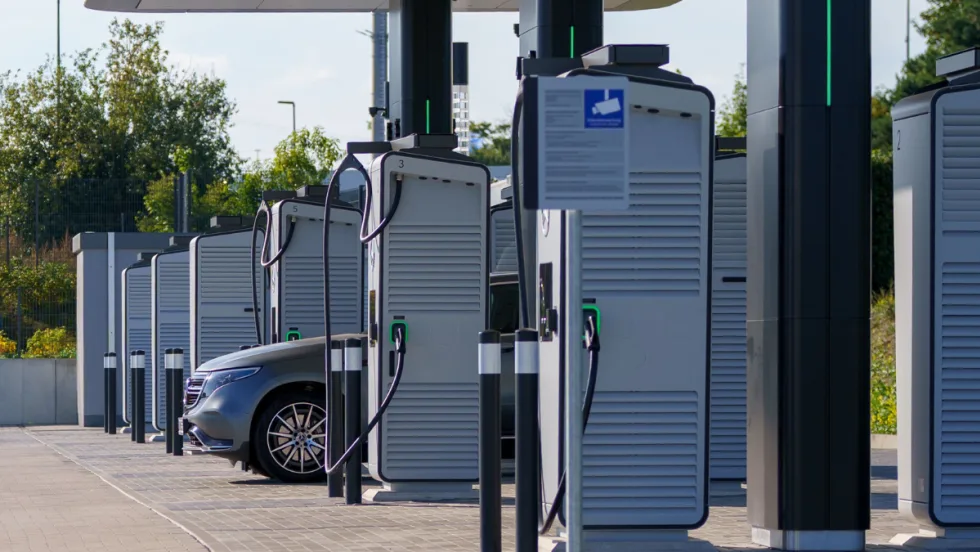
Public EV Charging Improves
The infrastructure buildout in the U.S. is providing more availability and safety at a better cost, according to the latest EV experience study by JD Power.
Read More →
AI in the Dealership
A Cox Automotive poll shows most dealers use it, but only some have found the smartest ways to adapt the surging technological sensation.
Read More →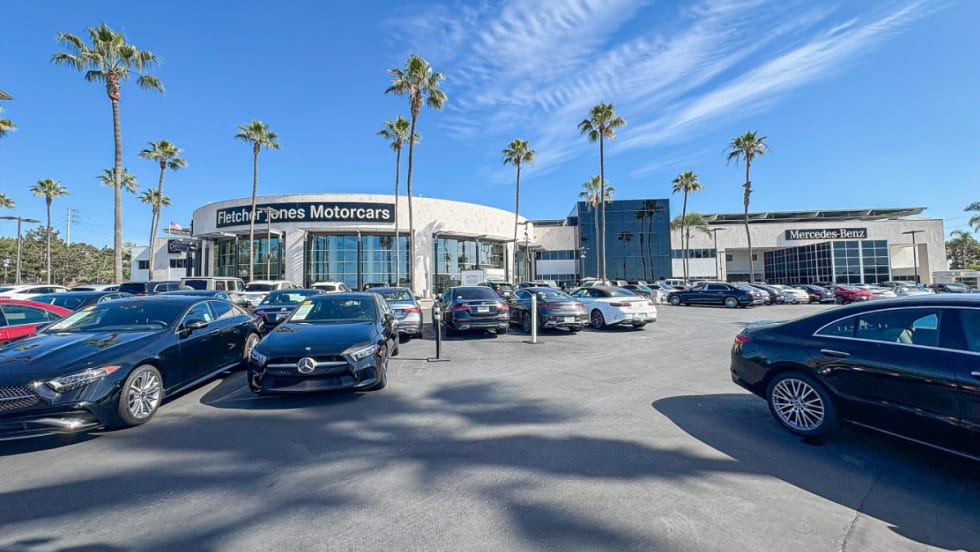
AAA Honors Service and Repair Facilities
Three automotive dealerships made AAA's Service Providers of Excellence and Best in Repair list this year.
Read More →
EFG Launches Product Admin Platform
The company says the offering is designed to empower administrators, service contract providers, and product marketers to expand automotive and power-sports capabilities.
Read More →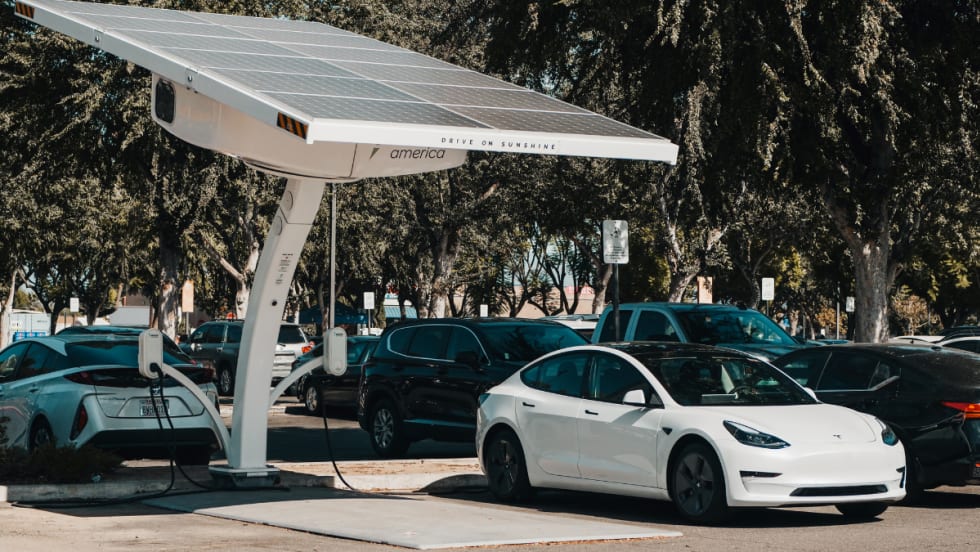
Optimized Charging Could Reduce Costs
According to an Alliance for Automotive Innovation analysis, optimized EV charging could cut costs for drivers and improve grid infrastructure - potential adoption incentives.
Read More →
From Inspection to Impact
Data, video and artificial intelligence are driving service performance today, when inspection performance is closely tied to key business outcomes.
Read More →
Car Karaoke Gets Official Platform
The in-vehicle karaoke and sing-along platform by Samsung arm is meant to add traveling enjoyment safely in technology that automakers can tailor to their specific needs.
Read More →