


Treasury Seeks $5B In Lender Ally's IPO

WASHINGTON - The U.S. Treasury Department plans to raise $5 billion when auto and mortgage lender Ally Financial Inc. launches an initial public offering in the coming months, The Detroit News has learned.
Ally filed the paperwork Thursday to launch an IPO. The Securities and Exchange Commission must approve the nearly 500-page prospectus before the company can go public, likely in a few months.
Ally, one of the world's largest automotive financial services companies, will first have to mount a road show to sell the offering to investors.
The Treasury Department, which owns a controlling 74 percent stake in Detroit-based Ally Financial as part of a $17.2 billion bailout, said it has agreed to be named the selling shareholder.
Treasury will retain the right to decide whether to participate in the IPO and at what level.
The government also owns $5.9 billion of mandatorily convertible preferred stock.
Ally won't price the stock or disclose how many shares it plans to sell until just before the company goes public.
A person briefed on the matter said only Treasury is expected to sell shares, not other owners such as General Motors Co., which holds a 9.9 percent stake in Ally.
With the $2.7 billion in new proceeds, Treasury will have received about $4.9 billion in returns from Ally to date, including $2.2 billion in dividends and interest.
The company reported a $1.1 billion profit in 2010.
Citi, Goldman, Sachs & Co., J.P. Morgan and Morgan Stanley are advising Ally on its initial public offering.
With more than $172 billion in assets as of Dec. 31, 2010, Ally operates as a bank holding company.
Ally also has mortgage operations and commercial finance, and the company's subsidiary, Ally Bank, offers retail banking products through its online arm.
Ally, which was known as GMAC Inc. until last year, was founded by GM more than 90 years ago as its in-house finance arm. It sold a 51 percent stake in the company in 2006 to Cerberus Capital Management LP in a $7.4 billion deal.
Ally will need to reassure investors that it has a stable relationship with GM, which last year acquired a subprime financing company AmeriCredit and renamed it GM Financial to form the basis of a captive finance arm.
Ally said it raised its percentage of new car lending to 9.9 percent in 2010, up from 6.1 percent, to jump from third highest to the leading auto lender.
More Industry

Charger Network Growth Slows
Despite a projected increase in public EV chargers in 2026, charging infrastructure remains a top concern for consumers as the gap between the most and least EV-friendly places remains substantial.
Read More →
Lenders, Consumers Take on More Auto Loan Risk
September records loosened credit access the most in over a decade as buyers took advantage of the conditions to afford trading, though loan applications fell.
Read More →
Next-Gen Hybrids in Sight
Dealerships can expect to see revamped hybrids from Honda next year as the company rolls out a new system and model lineup.
Read More →
Gem State Stores Change Hands
A larger auto group founded in the industry’s early years sold two franchises to a neighbor group that's on a growth spurt.
Read More →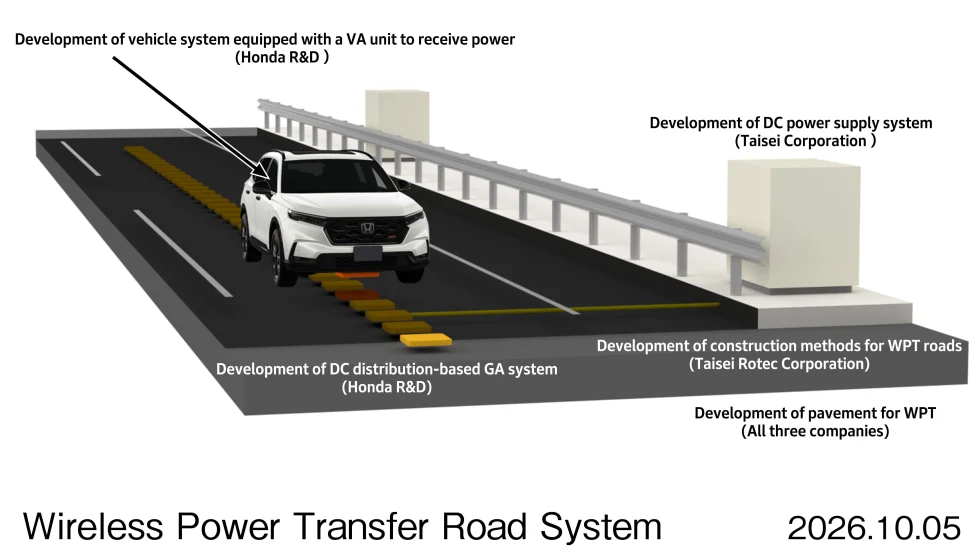
Charging In Motion
Honda has been researching wireless in-motion charging for electric vehicles since 2025, and new technology developments have put it a step closer to a final product.
Read More →
Twin Cities Stores Sell
Minnesota-based Walser Automotive Group made what it called the most significant acquisition in its history with a three-rooftop deal in Minneapolis.
Read More →
U.S. Auto Sales Still Below Prepandemic Levels
Mobility Global industry observers don’t expect the market to return to the higher volumes that became routine before Covid but to stay well below its potential.
Read More →
The Powertrain Shift
Electric-vehicle owners are backpedaling, according to new data, with product availability driving many to shift back to gas-powered engines.
Read More →
Achromatic Autos
The shades that dominate the U.S. car market don’t call attention to themselves, though grayscale may have plateaued after a 30-year upswing, research shows.
Read More →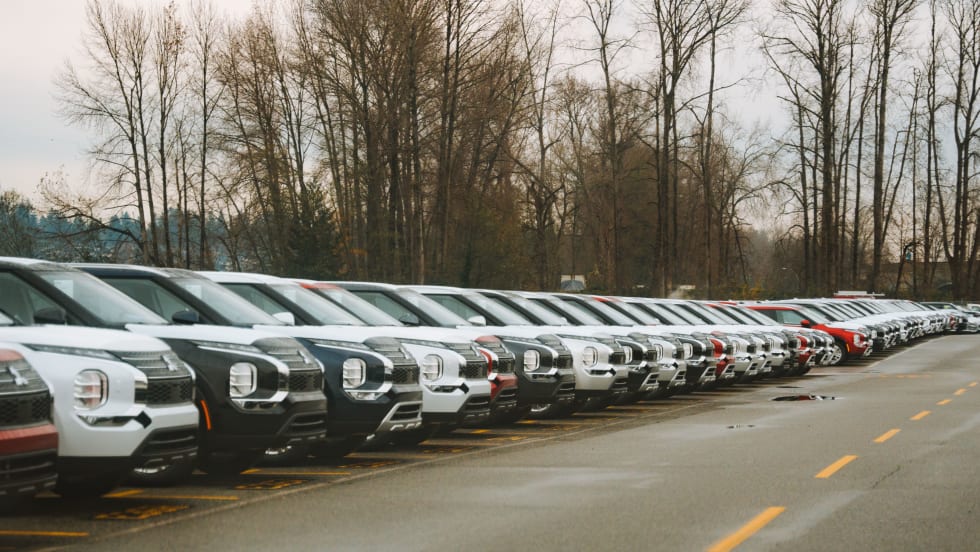
Used-Vehicle Affordability Worsens
Listing prices in August defied seasonal trends, rising above $27,000 for the second time this year.
Read More →