


U.S. Appeals Court Rejects Challenge to FCC Decision to Shift 5.9-GHz Reallocation
The U.S. Court of Appeals for the District of Columbia has rejected a legal challenge to a decision to shift part of the 5.9-GHz band spectrum block from auto safety to wireless devices.

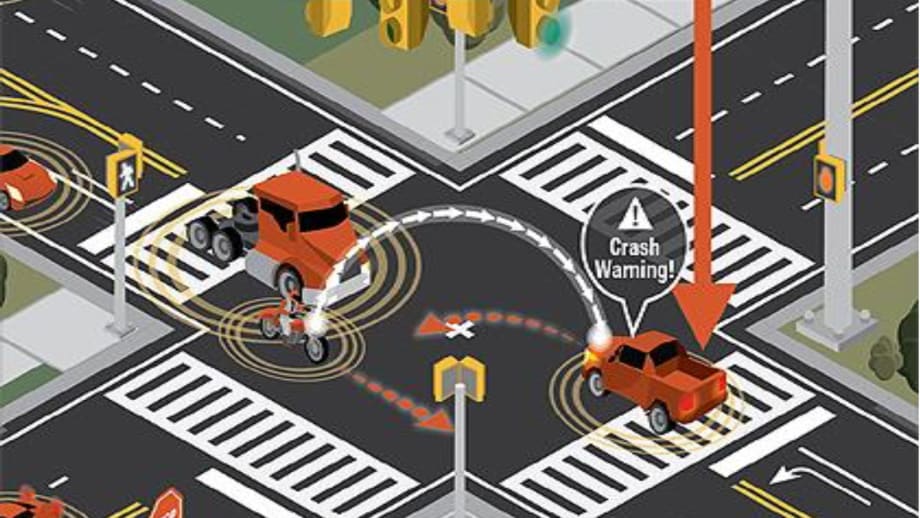
TheVerge.com
A U.S. appeals court has rejected a legal challenge to the 2020 Federal Communications Commission (FCC) decision to shift part of the 5.9-GHz band spectrum block from auto safety to wireless devices.
The Intelligent Transportation Society of America and the American Association of State Highway and Transportation Officials brought a legal challenge to reverse the 5.9-GHz band reallocation before the c.
The FCC reserved the spectrum block in 1999 for automakers to develop technology that allowed vehicles to communicate and avoid crashes. To date, the industry hasn’t used the block.
At that time, the NCTA – The Internet & Television Association called the decision “an enormous victory for American consumers” that “enables that important 5.9-GHz spectrum to provide consumers with even more reliable, high-speed Wi-Fi and access to next-generation automotive safety applications."
But in 2020, the U.S. Transportation Department called the FCC plan “a particularly dangerous regulatory approach when public safety is at stake.”
The FCC then voted to shift 30 megahertz of the 75 megahertz reserved for Dedicated Short-Range Communications (DSRC) to an automotive communications technology called Cellular Vehicle-to-Everything, or C-V2X, while moving the remainder to Wi-Fi use.
Automakers opposed the split citing safety concerns, while major cable, telecom and content companies claimed the allocation was needed to support growing Wi-Fi use.
Government studies suggest the technology, if widely adopted in U.S. vehicles, could prevent over 600,000 crashes annually.
Originally posted on Auto Dealer Today
More Product & Technology

Integrating AI Into Your Admin System
It’s important for finance-and insurance administrators to build the technology into their existing systems instead of bolting it on.
Read More →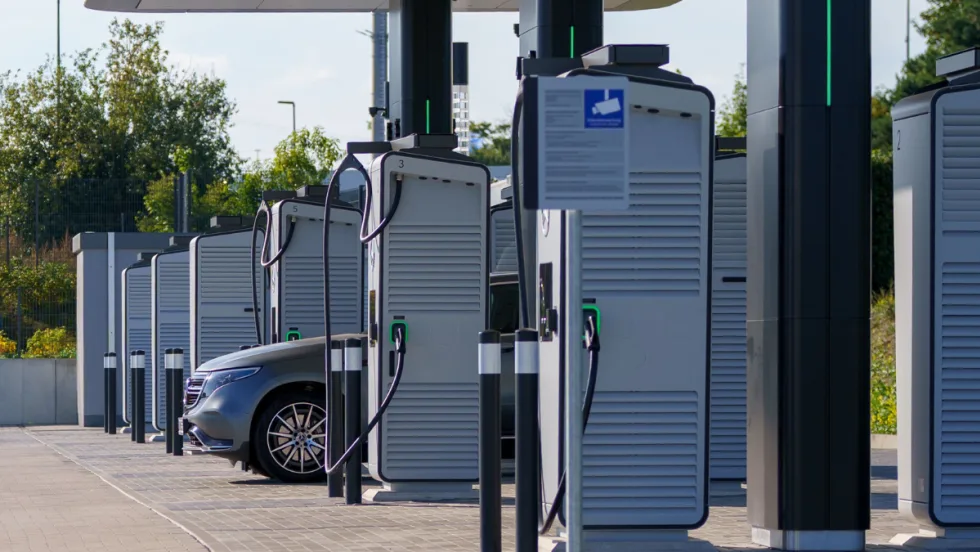
Public EV Charging Improves
The infrastructure buildout in the U.S. is providing more availability and safety at a better cost, according to the latest EV experience study by JD Power.
Read More →
AI in the Dealership
A Cox Automotive poll shows most dealers use it, but only some have found the smartest ways to adapt the surging technological sensation.
Read More →
AAA Honors Service and Repair Facilities
Three automotive dealerships made AAA's Service Providers of Excellence and Best in Repair list this year.
Read More →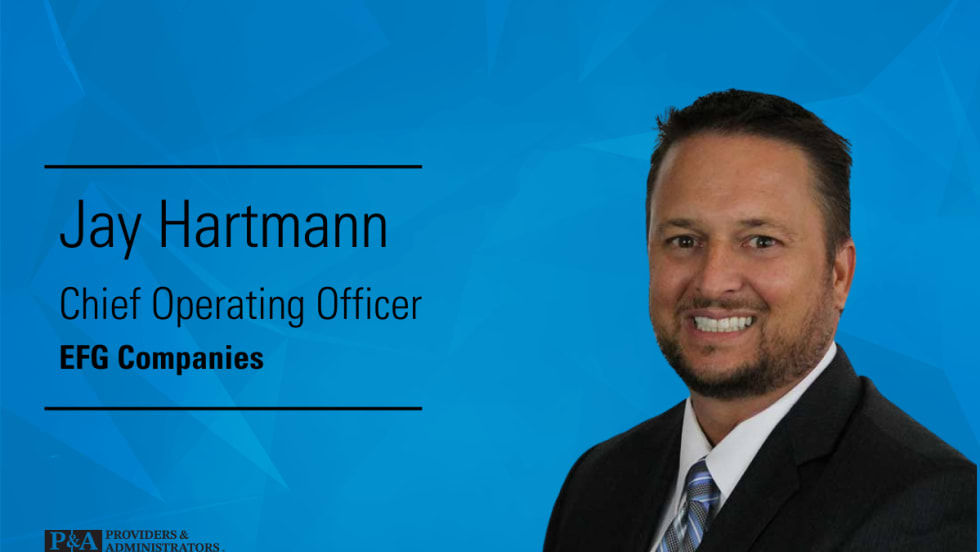
EFG Launches Product Admin Platform
The company says the offering is designed to empower administrators, service contract providers, and product marketers to expand automotive and power-sports capabilities.
Read More →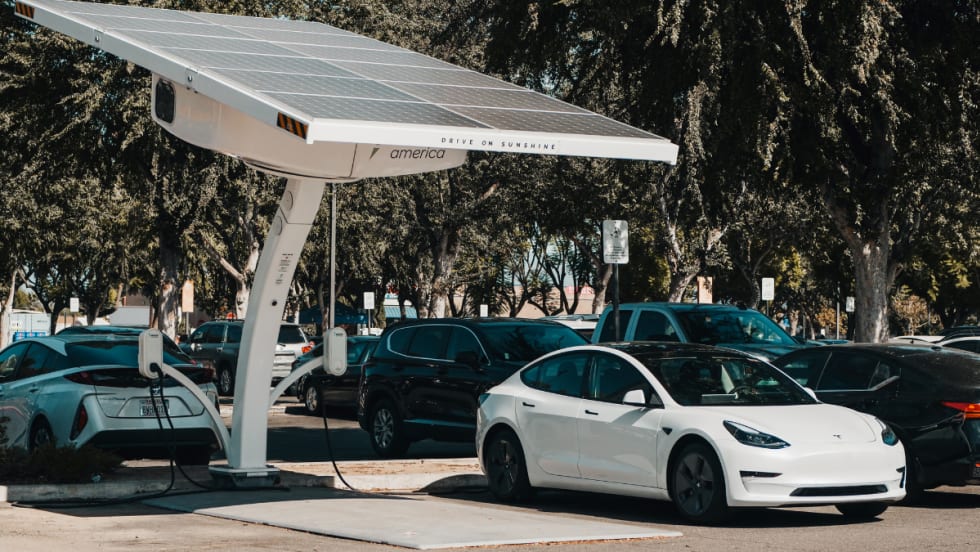
Optimized Charging Could Reduce Costs
According to an Alliance for Automotive Innovation analysis, optimized EV charging could cut costs for drivers and improve grid infrastructure - potential adoption incentives.
Read More →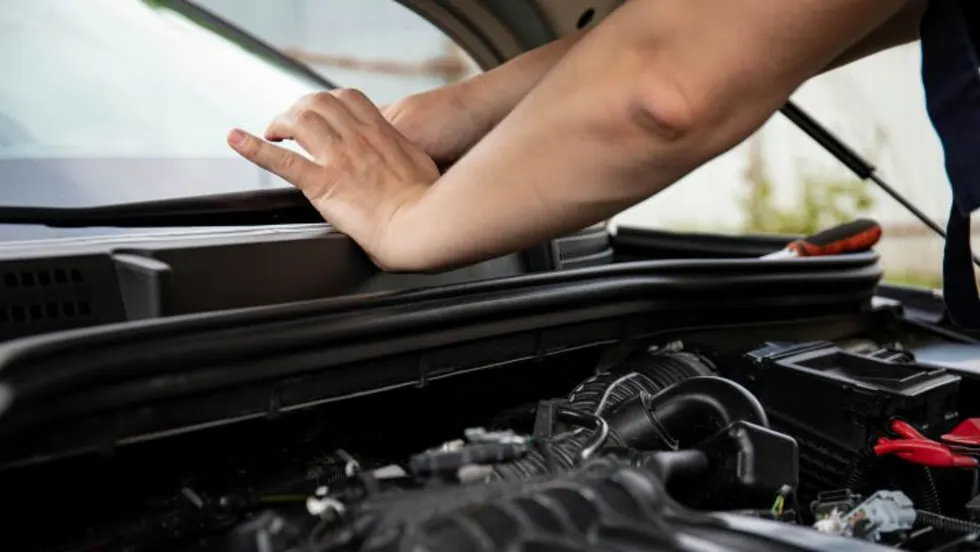
From Inspection to Impact
Data, video and artificial intelligence are driving service performance today, when inspection performance is closely tied to key business outcomes.
Read More →
Car Karaoke Gets Official Platform
The in-vehicle karaoke and sing-along platform by Samsung arm is meant to add traveling enjoyment safely in technology that automakers can tailor to their specific needs.
Read More →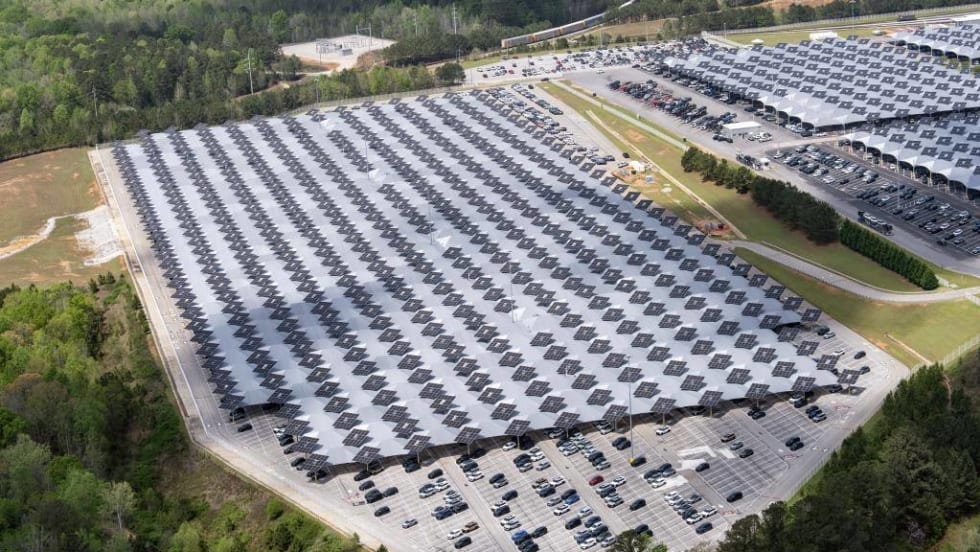
Kia Embraces Clean Energy
A Kia Georgia partnership combines weather protection and renewable energy in a new solar canopy system at Kia’s West Point facility.
Read More →
Honda-Sony Venture Dismantled
For nearly four years, the companies had worked toward the launch of the electric-vehicle brand’s first two models, but the shifting EV market scuttled the plans.
Read More →