


U.S. Economic Growth Will Continue to Lag, Says TD Economics

CHERRY HILL — A new report released by TD Economics indicated that the U.S. economy will continue to grow, but the affiliate of TD Bank says the economy may not be able to sustain additional shocks to the system.
According to the report, temporary shocks to the economy, such as rising gas prices, supply shock from Japan and inclement weather, have dissipated, but the impact on consumer confidence is likely to stifle economic growth over the next several quarters, reported F&I and Showroom magazine.
"Financial markets suffered a crisis of confidence this summer, the fallout from which will impact the economic recovery," said Craig Alexander, TD chief economist and author of the report. "A more robust pace of economic growth will require tackling the legacy issues of the financial crisis still burdening the recovery."
The report comes about two weeks after TD Bank reported that its indirect lending segment increased $2.7 billion during the second quarter, a 25 percent jump company officials partially attributed to the acquisition of Chrysler Financial. The company also reported that revenue for the quarter increased by $192 million, primarily due to a greater number of calendar days in the current quarter, volume growth and stronger insurance revenue. Additionally, business loans and acceptances volume increased $4.1 billion, or 13 percent.
TD Economics also reported that lower levels of consumer confidence coupled with political events in the United States and Europe over the summer has created a more difficult forecasting environment. Business and household confidence are experiencing pressure from a number of areas, including the downbeat mortgage market, ongoing risk aversion and balance sheet repair among financial institutions and households.
The reported noted, however, that current economic challenges doesn’t mean the U.S. economy will fall into another recession, as the credit environment is showing signs of improvement, particularly for commercial and industrial loans. Additionally, the economy is benefiting from a rebound in exports and auto production.
Still, none of these positive signs are taking hold in large proportions and, as a result, real GDP growth is likely to move at a pace of just 1.6 percent in 2011 and improve slightly to 1.7 percent in 2012 and to 2.6 percent in 2013, according to the report. The dysfunctional housing market and long-term unemployment are two key issues that are an impediment to a speedier recovery.
"As long as these structural issues persist, it will be difficult for the economy to deliver a stronger recovery," Alexander said.
Mortgage lending plays a central role in generating credit within the financial system and has failed to show improvement, the report noted. About seven out of 10 households own residential real estate and mortgage debt accounts for three-fourths of all household liabilities. As home prices have fallen 30 percent from their peak, depleted equity has eroded wealth and limited access to credit.
"As a result, consumer spending and credit growth are likely to remain constrained until home prices stabilize," Alexander said. "Unfortunately, this won't occur until progress is made in drawing down the huge stock of foreclosed properties gumming up the market."
TD Economics estimates that at the current clearing rate of around 1.5 million distressed sales per year, it would take four to five years to clear the inventory overhang.
Labor market issues also are hindering a speedier recovery, with the swelling ranks of long-term unemployed being a key factor differentiating this recovery from past ones. Before the downturn, the average duration of unemployment never exceeded 20 weeks but has since been recorded at 40 weeks as recently as July.
"Skills atrophy over time, and a person who has gone without work for over a year will face more difficulty finding employment in their area of expertise," Alexander said. "Getting chronically unemployed workers working again will require more aggressive action than in previous economic cycles."
If President Obama's $447 billion plan is put in place, TD Economics predicts that it would boost the economic growth forecast by around 0.8 percentage points in 2012 and add around 800,000 jobs to U.S. payrolls. The lift to economic jobs and employment growth would be temporary though, as the expiration of the new fiscal stimulus would act as a greater drag on economic growth beyond 2013.
"While the American Jobs Act would help shore up job growth, it is unlikely to be a game-changer," Alexander said. "Currently, we haven't included these estimates into our forecast, as we wait for clarity on the degree to which policies will be enacted."
The bottom line is that U.S. recovery will proceed, but it is unrealistic to expect a decent pick-up in momentum in the face of unresolved structural challenges, according to the report.
"The forecasting environment is riddled with uncertainties related to political unknowns, both domestically and internationally," Alexander said. "TD Economics forecasts another two years of modest growth corresponding with an unemployment rate that is expected to hover around nine percent through 2012 and drop to 8.6 percent by 2013."
More Industry

Charger Network Growth Slows
Despite a projected increase in public EV chargers in 2026, charging infrastructure remains a top concern for consumers as the gap between the most and least EV-friendly places remains substantial.
Read More →
Lenders, Consumers Take on More Auto Loan Risk
September records loosened credit access the most in over a decade as buyers took advantage of the conditions to afford trading, though loan applications fell.
Read More →
Next-Gen Hybrids in Sight
Dealerships can expect to see revamped hybrids from Honda next year as the company rolls out a new system and model lineup.
Read More →
Gem State Stores Change Hands
A larger auto group founded in the industry’s early years sold two franchises to a neighbor group that's on a growth spurt.
Read More →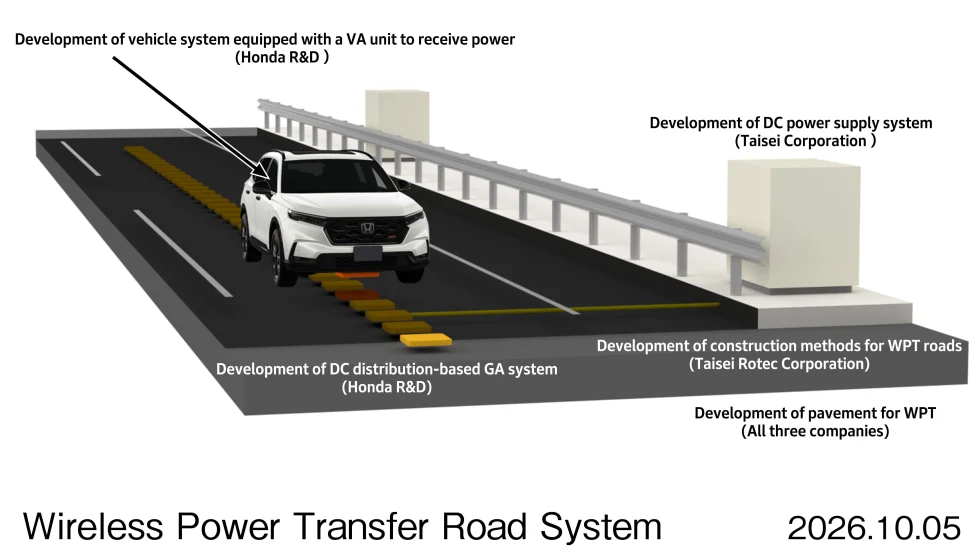
Charging In Motion
Honda has been researching wireless in-motion charging for electric vehicles since 2025, and new technology developments have put it a step closer to a final product.
Read More →
Twin Cities Stores Sell
Minnesota-based Walser Automotive Group made what it called the most significant acquisition in its history with a three-rooftop deal in Minneapolis.
Read More →
U.S. Auto Sales Still Below Prepandemic Levels
Mobility Global industry observers don’t expect the market to return to the higher volumes that became routine before Covid but to stay well below its potential.
Read More →
The Powertrain Shift
Electric-vehicle owners are backpedaling, according to new data, with product availability driving many to shift back to gas-powered engines.
Read More →
Achromatic Autos
The shades that dominate the U.S. car market don’t call attention to themselves, though grayscale may have plateaued after a 30-year upswing, research shows.
Read More →
Used-Vehicle Affordability Worsens
Listing prices in August defied seasonal trends, rising above $27,000 for the second time this year.
Read More →