


VW Spent Two Years Trying to Hide a Security Flaw

LONDON (Bloomberg) - Thousands of cars from a host of manufacturers have spent years at risk of electronic car-hacking, according to expert research that Volkswagen has spent two years trying to suppress in the courts, reports Automotive News.
“Keyless” car theft, which sees hackers target vulnerabilities in electronic locks and immobilizers, now accounts for 42 percent of stolen vehicles in London. BMWs and Range Rovers are particularly at-risk, police say, and can be in the hands of a technically minded criminal within 60 seconds.
Security researchers have now discovered a similar vulnerability in keyless vehicles made by several carmakers. The weakness -- which affects the Radio-Frequency Identification (RFID) transponder chip used in immobilizers -- was discovered in 2012, but carmakers sued the researchers to prevent them from publishing their findings.
This week the paper, by Roel Verdult and Baris Ege from Radboud University in the Netherlands and Flavio Garcia from the University of Birmingham, U.K., is being presented at the USENIX security conference in Washington, D.C. The authors detail how the cryptography and authentication protocol used in the Megamos Crypto transponder can be targeted by malicious hackers looking to steal luxury vehicles.
The Megamos is one of the most common immobilizer transponders, used in Volkswagen-owned luxury brands including Audi, Porsche, Bentley and Lamborghini, as well as Fiats, Hondas, Volvos and some Maserati models.
'Serious flaw'
"This is a serious flaw and it's not very easy to quickly correct," explained Tim Watson, Director of Cyber Security at the University of Warwick. "It isn't a theoretical weakness, it's an actual one and it doesn't cost theoretical dollars to fix, it costs actual dollars."
Immobilizers are electronic security devices that stop a car's engine from running unless the correct key fob (containing the RFID chip) is in close proximity to the car. They are supposed to prevent traditional theft techniques like hot-wiring, but can be bypassed, for example by amplifying the signal.
In this case, however, researchers broke the transponder's 96-bit cryptographic system, by listening in twice to the radio communication between the key and the transponder. This reduced the pool of potential secret key matches, and opened up the "brute force" option: running through 196,607 options of secret keys until they found the one that could start the car. It took less than half an hour.
"The attack is quite advanced, but VW produces a lot of very high-end vehicles that get stolen to order. The criminals involved are more sophisticated than the sorts who just steal your keys and drive off with your car," said security researcher Andrew Tierney.
There's no quick fix for the problem -- the RFID chips in the keys and transponders inside the cars must be replaced, incurring significant labor costs.
One sentence removed
The research team first took its findings to the manufacturer of the affected chip in February 2012 and then to Volkswagen in May 2013. The car-maker filed a lawsuit to block the publication of the paper, arguing that it would put the security of winning an injunction in the U.K.'s High Court. Now, after lengthy negotiations, the paper is finally in the public domain -- with just one sentence redacted.
"This single sentence contains an explicit description of a component of the calculations on the chip," Verdult said, adding that by removing the sentence it was much more difficult to recreate the attack.
While challenging, determined "organized gangs" may persevere, said Watson.
"If you're a maker of high-end cars I would suggest that the onus is on you to look after your customers' purchases after they've bought them to make sure your systems are resistant to attack," he added.
A VW spokesman responded: "Volkswagen maintains its electronic as well as mechanical security measures technologically up-to-date and also offers innovative technologies in this sector."
Anti-theft protection is generally still ensured, he added, even for older models, because criminals need access to the key signal to hack the immobilizer. "Current models, including the current Passat and Golf, don't allow this type of attack at all," he said.
The Megamos Crypto is not the only immobilizer to have been targeted in this way – other popular products including the DST transponder and KeeLoq have both been reverse-engineered and attacked by security researchers.
More Industry
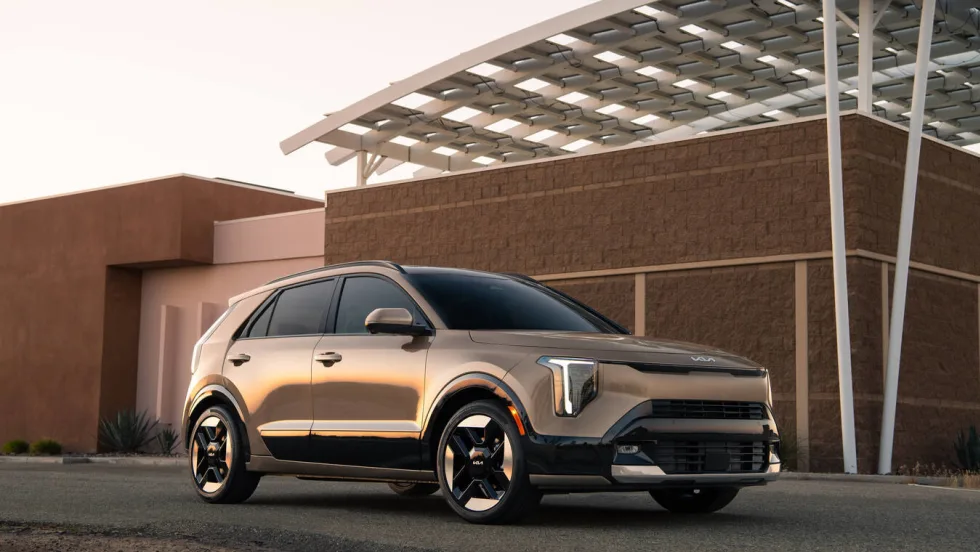
Kia Closes Out Summer With a Bang
Its U.S. subsidiary broke multiple records in August, in part due to a surge of demand for hybrids models.
Read More →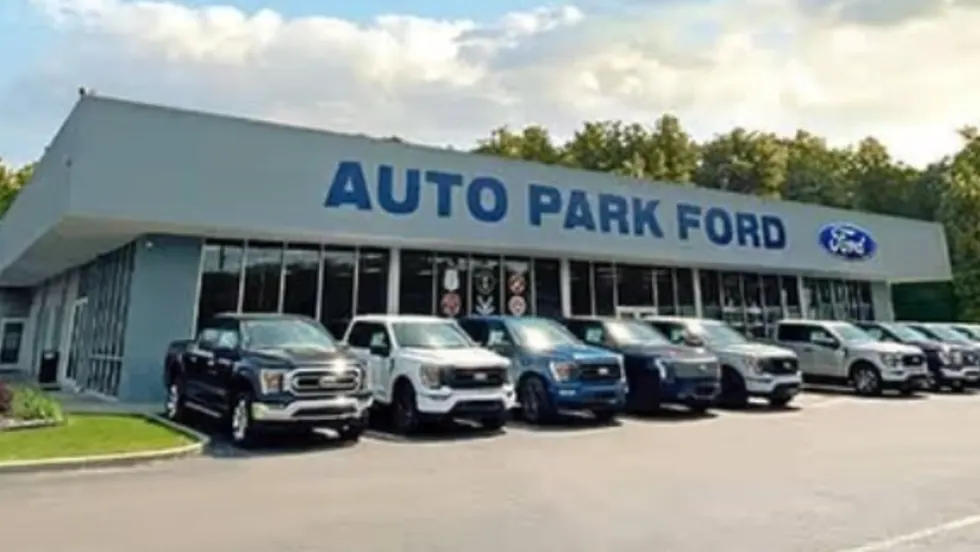
Indiana Dealership Changes Hands
A 30-year-old Ford dealership in Indiana has a new owner and will soon be undergoing renovations to meet manufacturer requirements.
Read More →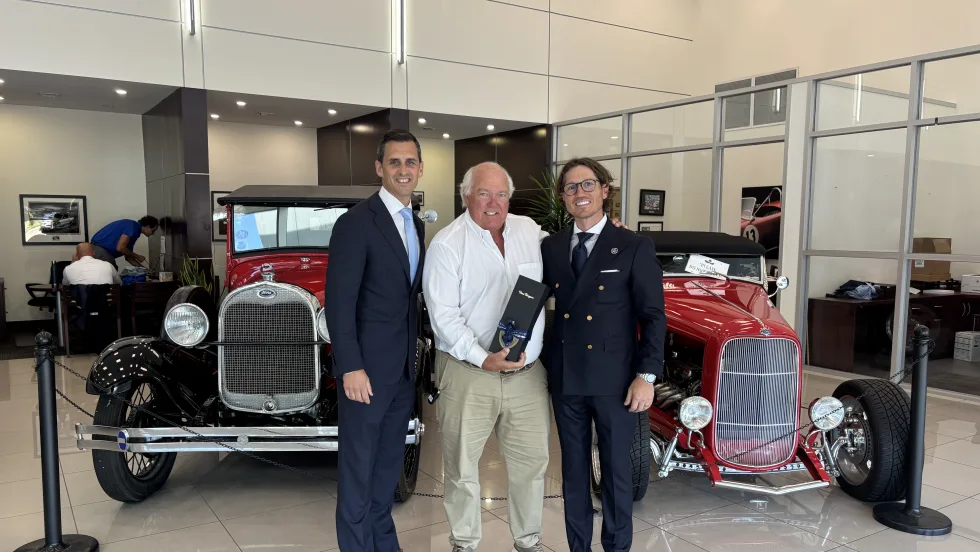
Texas Dealership No Longer in the Family
The Ford store, a longtime cornerstone of the Houston market, is now part of one of the fastest-growing U.S. auto groups.
Read More →
Genesis Grows California Presence
The Cardinale Automotive Group opened its third Genesis rooftop in the Golden State, Genesis of San Bruno, a stand-alone dealership serving the San Francisco Bay Area.
Read More →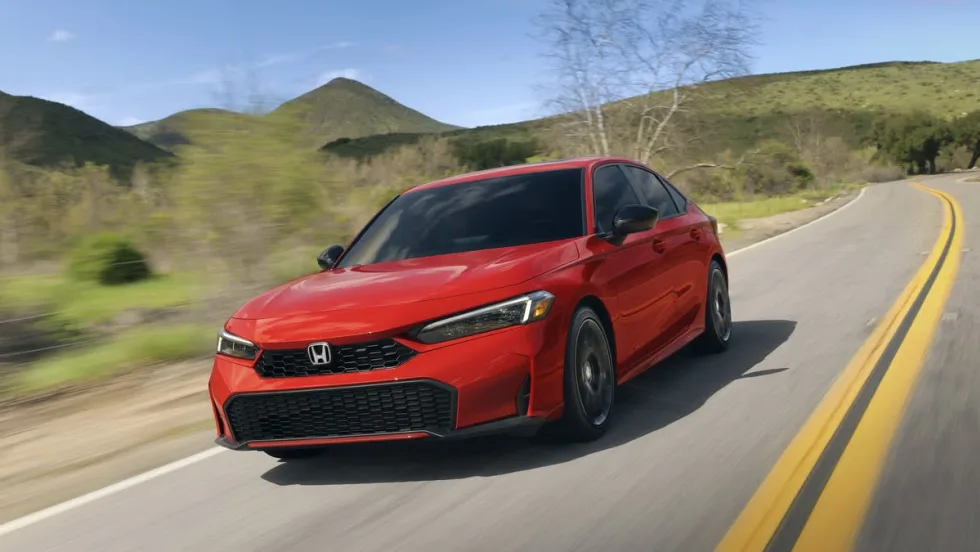
August Auto Sales a Mixed Bag
An early forecast shows strong business despite consumer hurdles, and hybrids are a big piece of their affordability coping strategy.
Read More →
EV Market Humming Along
July sales show steady growth as the segment stabilizes from last year’s artificial surge following pullback of federal support.
Read More →
Auto Loan Delinquency Rates Stabilize
Auto loans are a main driver of nonmortgage consumer debt, but delinquency rates stabilized in the second quarter across all credit risk tiers.
Read More →
EV Sales Recover in Q2
The EV sales roller coaster continues as numbers show improvement, but industry experts predict a year-over-year third-quarter decline and fourth-quarter jump.
Read More →
The Cheapest Hybrids to Fuel
The powertrain is increasing in popularity, in no small part due to its fuel economy. A new report lists the most efficient hybrids on the market.
Read More →
Hybrids and SUVs Gaining Ground
The most recent Kelley Blue Book Brand Watch found that only two nonluxury brands increased in shopper consideration, buoyed by their hybrid and SUV offerings.
Read More →