


VW Takes Aim at Toyota to Turn U.S. Profit With Jetta

Volkswagen AG plans to cut the U.S. price and increase the size of the Jetta compact car, its best-selling model in the country, as the automaker aims to make its U.S. operations profitable by 2013, reported Bloomberg.
The revamped Jetta will be about 3.5 inches longer and about $1,700 less than the current version when U.S. sales start in October, the Wolfsburg, Germany-based company said in a statement. A hybrid version will sell in two years.
Volkswagen, Europe’s largest automaker, is shifting more production to North America to help trim costs and compete with small-car leaders Toyota Motor Corp. and Honda Motor Co., Stefan Jacoby, chief executive officer of VW’s U.S. unit, said yesterday in an interview. The company is aiming to almost double sales in the market by 2012, to 400,000 units for its namesake brand, compared with 213,454 vehicles last year.
“Model by model, our lineup will be competitively priced so that we will be able to compete in the American market,” Jacoby said yesterday at a press briefing to introduce the car in New York.
Moving more production to North America from Europe provides Volkswagen with a hedge against currency fluctuations and shaves costs, Jacoby said. He restated the company’s goal for North American output to rise to 75 percent of sales in the region by 2013 from about 60 percent last year.
Volkswagen will be completely independent of the euro- dollar exchange rate by 2012 or 2013, and the U.S. business will be profitable by then, Jacoby said. The German company, which reported a profit of 960 million euros ($1.18 billion) last year, doesn’t break out results for the U.S., and Jacoby declined to give specifics for how much the business lost in the market last year.
Volkswagen plans to sell the 2011 Jetta for about $16,000, down from the current base of $17,735. That would bring the model closer to the starting prices of Toyota’s Corolla and Honda’s Civic, now $15,450 and $15,455, respectively, according to the companies’ websites.
“They’re going after big-volume products,” Jeff Schuster, executive director of global forecasting at market-research firm J.D. Power & Associates in Troy, Mich., said in a telephone interview.
More Industry
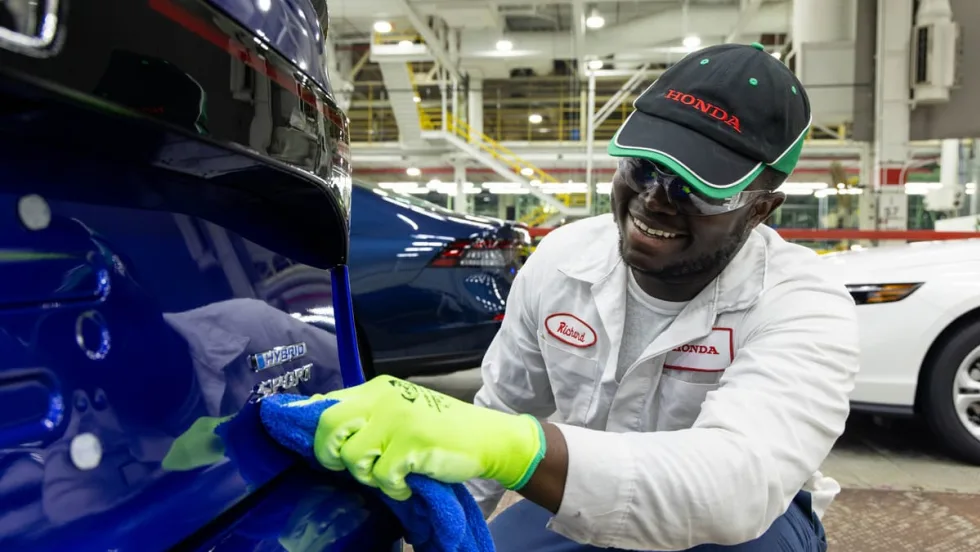
Honda Embraces Hybrid Fever
The automaker plans a new Ohio factory, along with investments in existing U.S. and Canadian plants, to significantly boost hybrid production here.
Read More →
Dealerships Must Show Up Where It Matters
How car buyers find your dealership has fundamentally changed. New evidence reveals the importance of your presence on social media, Google search, and large language models.
Read More →
CPO Sales Could Take Off in the Right Conditions
A recent Cox Automotive consumer survey reveals the size of an undertapped market for the vehicle segment given affordability pressures.
Read More →
Global Consumer Trends Diverge
Price remains a top consideration for U.S. car buyers, and they are the most brand-loyal consumers to established automakers, according to a new survey.
Read More →
Badger State Dealership Gets New Owner
The longtime southern Wisconsin store moved from one area auto group to another, keeping the business in Dairyland.
Read More →
The Cycle of Negative Equity
Third-quarter data shows consumers still rolling over debt and stretching loan terms, raising their risk of remaining underwater.
Read More →
Charger Network Growth Slows
Despite a projected increase in public EV chargers in 2026, charging infrastructure remains a top concern for consumers as the gap between the most and least EV-friendly places remains substantial.
Read More →
Lenders, Consumers Take on More Auto Loan Risk
September records loosened credit access the most in over a decade as buyers took advantage of the conditions to afford trading, though loan applications fell.
Read More →
Next-Gen Hybrids in Sight
Dealerships can expect to see revamped hybrids from Honda next year as the company rolls out a new system and model lineup.
Read More →
Gem State Stores Change Hands
A larger auto group founded in the industry’s early years sold two franchises to a neighbor group that's on a growth spurt.
Read More →