


VW to Bring Back Phaeton to U.S. after Flop

BERLIN - Volkswagen AG plans to bring back the $85,000 Phaeton to the U.S., where the flagship sedan flopped and was withdrawn in 2006, reported Bloomberg.
The Phaeton's U.S. relaunch is part of the German carmaker's aim of tripling its share of the world's second-largest market by 2018.
“We have our eyes firmly set on the U.S. market,” Juergen Borrmann, director of Volkswagen's plant in Dresden, Germany, where the Phaeton is built, said in an interview. The model for the U.S. will be completely redesigned and retooled, he said.
Former VW CEO Bernd Pischetsrieder pulled the Phaeton from the U.S. four years ago after the car failed to meet sales goals and called a 20,000 global target a “pipe dream.”
His successor, Martin Winterkorn, later threw his full support behind the model and announced plans to keep the Phaeton. Sales last year fell 27 percent to 4,500 cars.
“The U.S. is a most lucrative market for high-end sedans and VW has to tackle that potential if it wants to credibly expand its U.S. presence,” said Willi Diez, head of the Nuertingen, Germany-based Institute for Automobile Industry, a state-funded think tank.
Volkswagen this year is introducing an updated Phaeton, which has new front and rear sections, an interior upgrade and a wider selection of engines, as part of the model's first overhaul since 2007. The face-lifted Phaeton entered European showrooms in June and goes on sale in China next month.
VW, Europe's biggest carmaker, plans to reintroduce the Phaeton in the U.S. when the next generation of the model comes to market, Borrmann said in the Aug. 17 interview, declining to give a timeframe.
Headed for its eighth straight annual loss in the U.S., VW aims to almost triple the carmaker's share of the U.S. market to 6 percent by 2018 and boost deliveries to 1 million cars, including the Audi luxury unit.
U.S. progress is a key component of Winterkorn's goal of surpassing Toyota Motor Corp. in sales and profitability.
The Phaeton, named after the son of the Greek god Helios, went on sale in 2002, with development costs exceeding 1 billion euros ($1.3 billion). The model was part of an effort by Supervisory Board Chairman Ferdinand Piech, who was then CEO, to make the VW brand more upscale and compete against BMW AG and Mercedes-Benz.
More Industry
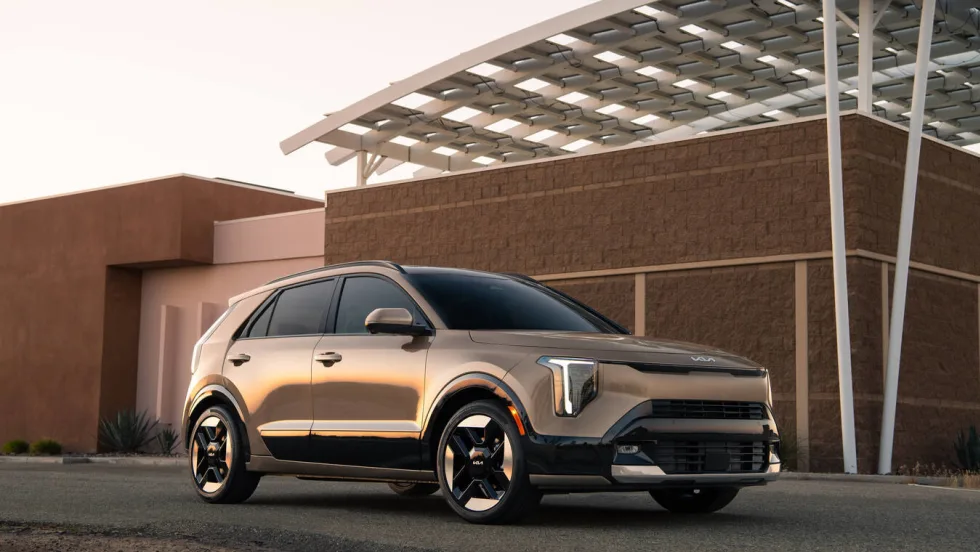
Kia Closes Out Summer With a Bang
Its U.S. subsidiary broke multiple records in August, in part due to a surge of demand for hybrids models.
Read More →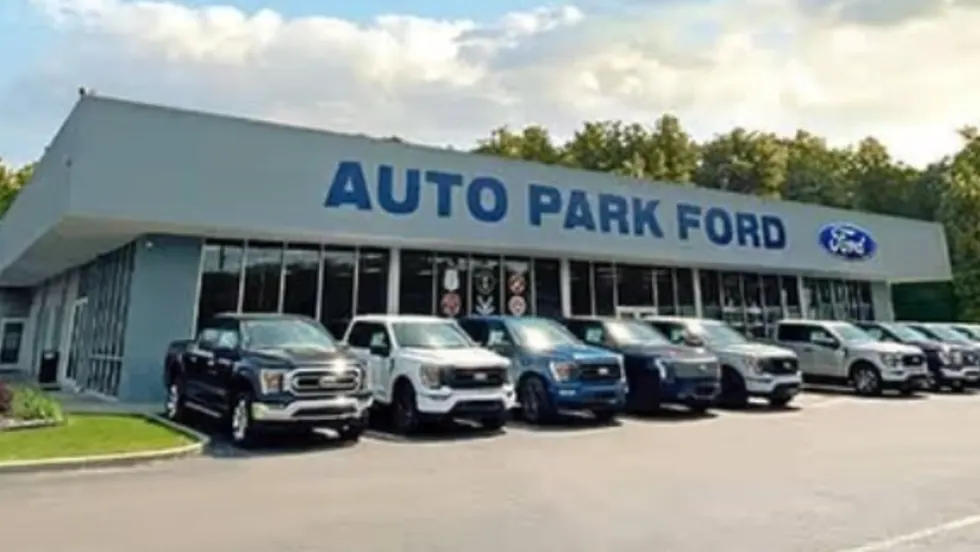
Indiana Dealership Changes Hands
A 30-year-old Ford dealership in Indiana has a new owner and will soon be undergoing renovations to meet manufacturer requirements.
Read More →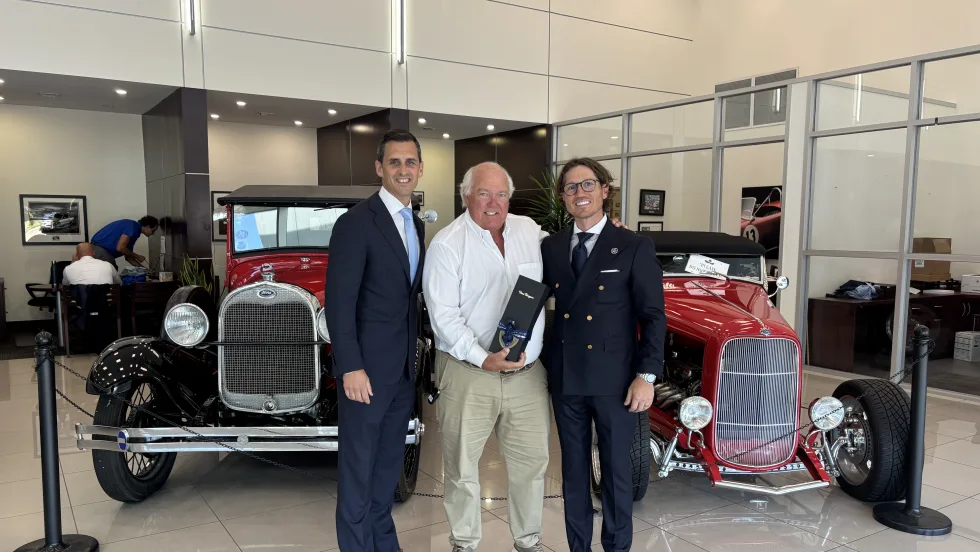
Texas Dealership No Longer in the Family
The Ford store, a longtime cornerstone of the Houston market, is now part of one of the fastest-growing U.S. auto groups.
Read More →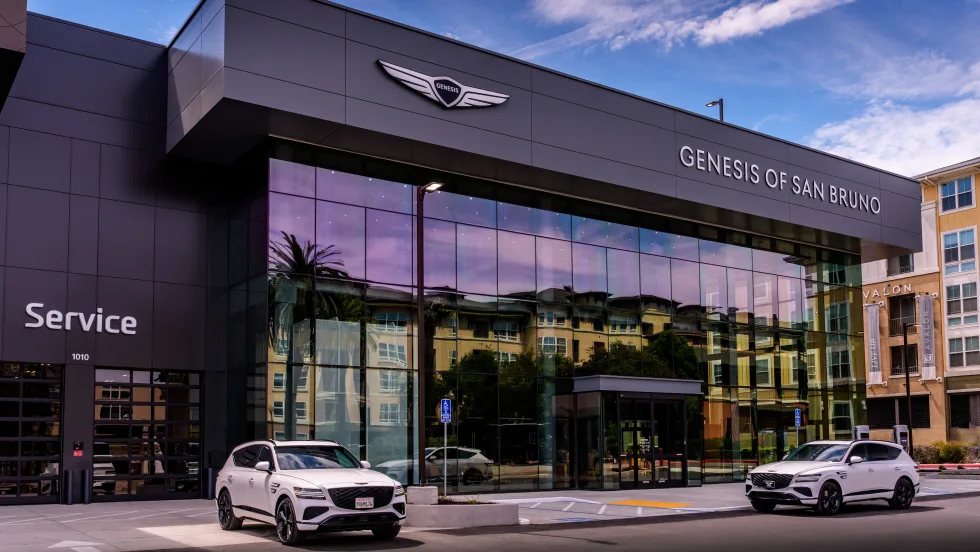
Genesis Grows California Presence
The Cardinale Automotive Group opened its third Genesis rooftop in the Golden State, Genesis of San Bruno, a stand-alone dealership serving the San Francisco Bay Area.
Read More →
August Auto Sales a Mixed Bag
An early forecast shows strong business despite consumer hurdles, and hybrids are a big piece of their affordability coping strategy.
Read More →
EV Market Humming Along
July sales show steady growth as the segment stabilizes from last year’s artificial surge following pullback of federal support.
Read More →
Auto Loan Delinquency Rates Stabilize
Auto loans are a main driver of nonmortgage consumer debt, but delinquency rates stabilized in the second quarter across all credit risk tiers.
Read More →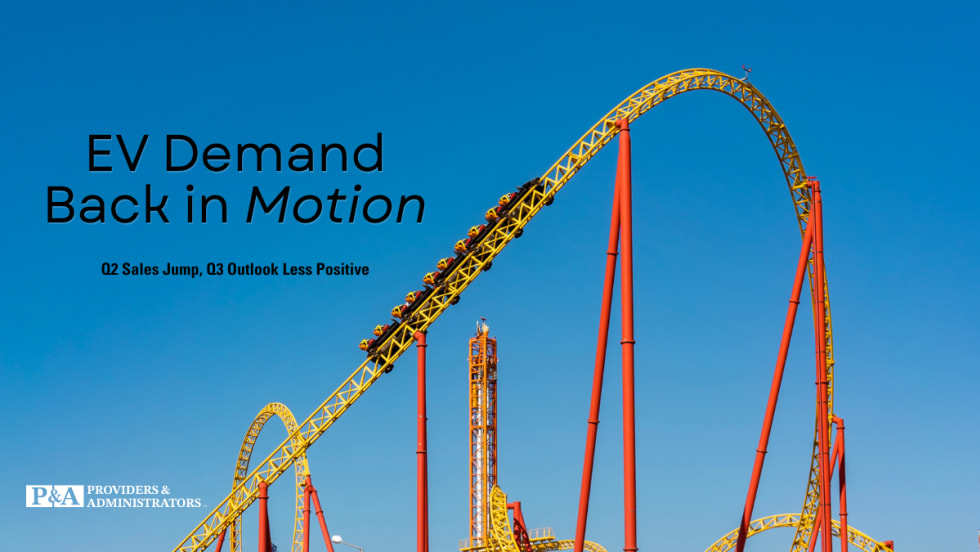
EV Sales Recover in Q2
The EV sales roller coaster continues as numbers show improvement, but industry experts predict a year-over-year third-quarter decline and fourth-quarter jump.
Read More →
The Cheapest Hybrids to Fuel
The powertrain is increasing in popularity, in no small part due to its fuel economy. A new report lists the most efficient hybrids on the market.
Read More →
Hybrids and SUVs Gaining Ground
The most recent Kelley Blue Book Brand Watch found that only two nonluxury brands increased in shopper consideration, buoyed by their hybrid and SUV offerings.
Read More →