


Wells Fargo Reviewing F&I Products as Regulatory Pressure Builds

SAN FRANCISCO — Wells Fargo is reviewing all F&I products customers opt to include in vehicle finance contracts the bank purchases from dealers to “improve processes for our consumer and dealer customers and to remain competitive in the market,” bank officials said in a statement.
The statement was issued to F&I and Showroom in response to questions about an April 8 article in The Wall Street Journal. Citing people familiar with the matter, the article claimed the bank has expanded its internal review of GAP refunds to other F&I protections like vehicle service contracts and tire protection to “get ahead of heightened regulatory interest in the area.”
The bank’s statement, however, notes that the review “is part of our well-publicized efforts to continually improve and build a better auto lending business.”
“Wells Fargo does not sell auto aftermarket products — they are sold by dealers to their customers during the purchase of a vehicle,” read the statement, in part. “Wells Fargo buys loans from dealers that are inclusive of the financing of the vehicle and the optional aftermarket products.”
The issue regarding the bank’s handling of GAP refunds arose just after the bank announced last August that it would begin issuing refunds to more than half a million customers affected by issues related to sales of collateral protection insurance. In a recent filing with the Securities and Exchange Commission (SEC), the bank estimated that it will pay approximately $145 million in cash remediation and $37 million in account adjustments under its plan.
According to media reports, the GAP refund issue was raised in the course of an external inquiry ordered by the Federal Reserve Bank of San Francisco. In a statement issued to The New York Times just after the story broke, however, a Wells Fargo spokesperson said the company “discovered issues related to a lack over oversight and controls” during an internal review.
“We are reviewing our practices and actively working with our dealers and have already begun making improvements to the GAP refund process,” the statement read, in part. “If we find customer impacts, we will make customers whole.”
In an August 2017 regulatory filing, the bank noted that “certain issues related to the unused portion of guaranteed asset protection waiver or insurance agreements … which may result in refunds to customers in certain states.” Nine states require insurance providers to return unused insurance funds to customers: Alabama, Colorado, Indiana, Iowa, Maryland, Massachusetts, Oklahoma, Oregon, and South Carolina.
According to The Wall Street Journal, Wells Fargo formed an internal working group in the second half of 2017 to review aftermarket products more broadly in response to consumer complaints and regulatory interest. The group’s activities, which the bank began sharing with the OCC and the Consumer Financial Protection Bureau earlier this year, included surveying a group of customers to see if they were aware of aftermarket products on their auto loans and to gauge their satisfaction with the products, as well as reviewing dealer relationships to see which ones have the most complaints regarding products.
In recent months, according to The Wall Street Journal, Wells Fargo executives have discussed whether “a certain level of aftermarket services or other financial guidelines would trigger additional review of a loan,” but no action has been taken, according to the report.
Aftermarket products account for $2 billion, or 5%, of the bank’s $55 billion in outstanding auto loan balances. Interest earned on these loans totals between $100 million and $150 million a year, according to The Wall Street Journal’s report.
Additionally, around 70% of Wells Fargo’s auto loans included aftermarket products, people familiar with the bank’s auto portfolio told The Wall Street Journal. They added that the cost of these products can exceed $1,000 and sometimes approach 15% of the vehicle’s value.
In a November regulatory filing, Wells Fargo said allegations related to both CPI sales, which the bank has discontinued, and GAP refunds are the subject of two shareholder derivative lawsuits in California state court. The filing also revealed that “a former team member has alleged retaliation for raising concerns regarding automobile lending practices.”
“These and other issues related to the origination, servicing and/or collection of consumer automobile loans, including related insurance products, have also subjected the company to formal or informal inquiries, investigations or examinations from federal and state government agencies,” the filing notes.
More Industry

First-Half Dealership Deals Up
Buy-sell activity shows that acquirers are looking for value and scale as many retailers seek to leave an increasingly competitive and complex market, Kerrigan Advisors reports.
Read More →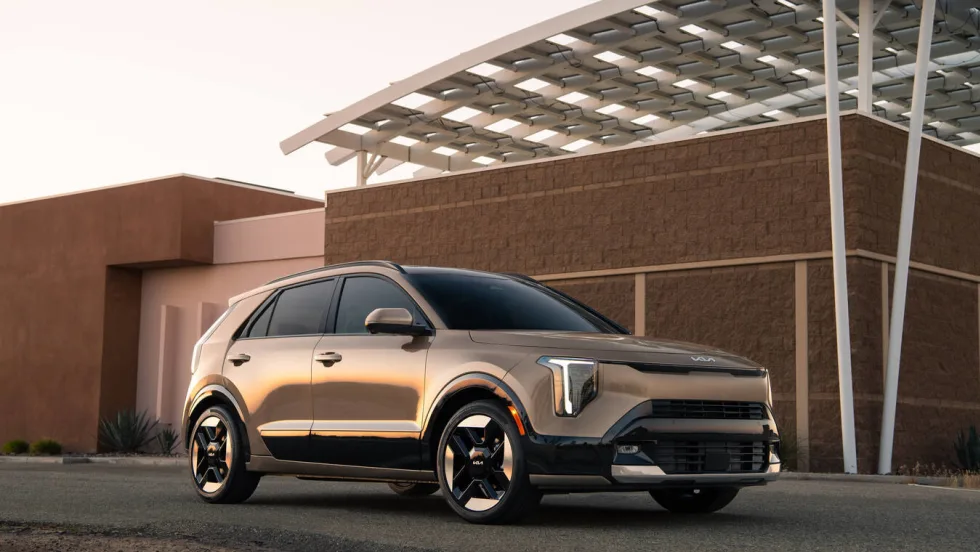
Kia Closes Out Summer With a Bang
Its U.S. subsidiary broke multiple records in August, in part due to a surge of demand for hybrids models.
Read More →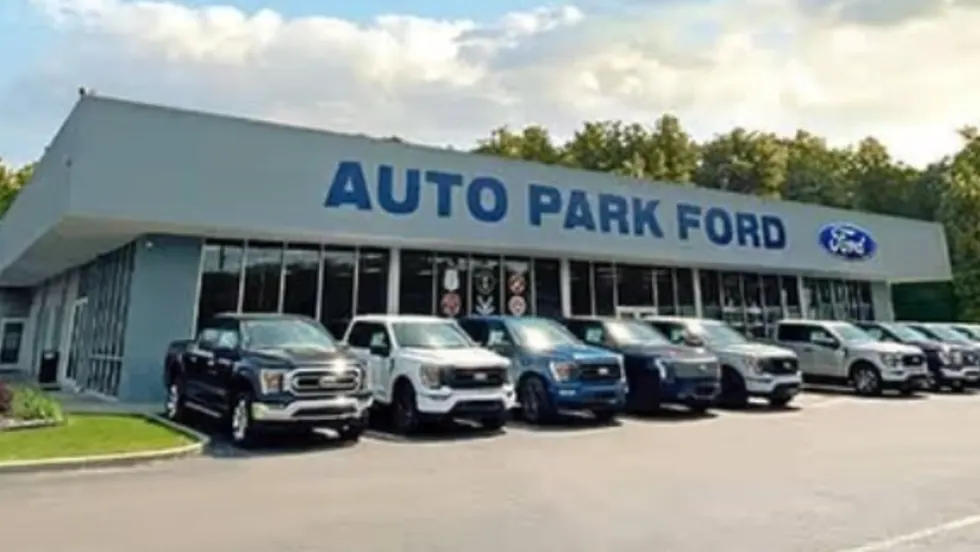
Indiana Dealership Changes Hands
A 30-year-old Ford dealership in Indiana has a new owner and will soon be undergoing renovations to meet manufacturer requirements.
Read More →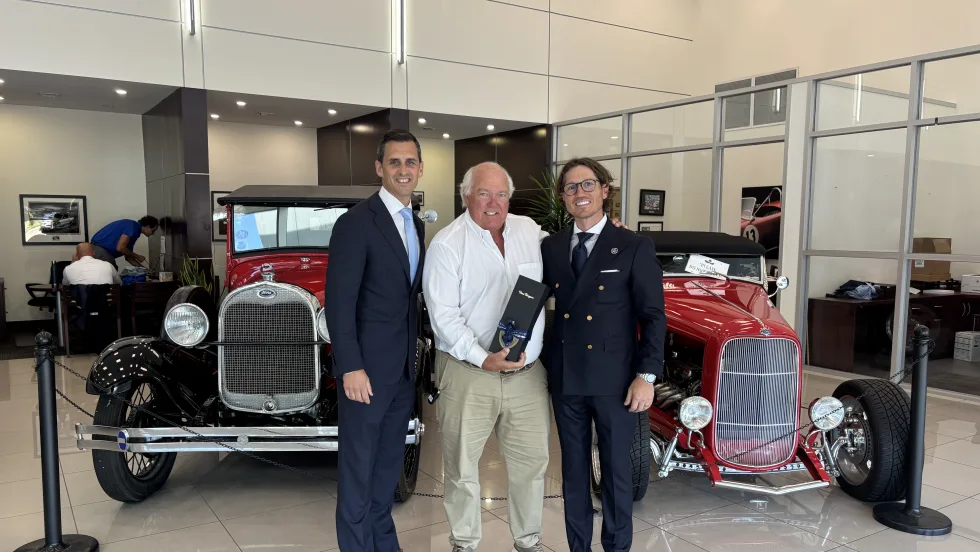
Texas Dealership No Longer in the Family
The Ford store, a longtime cornerstone of the Houston market, is now part of one of the fastest-growing U.S. auto groups.
Read More →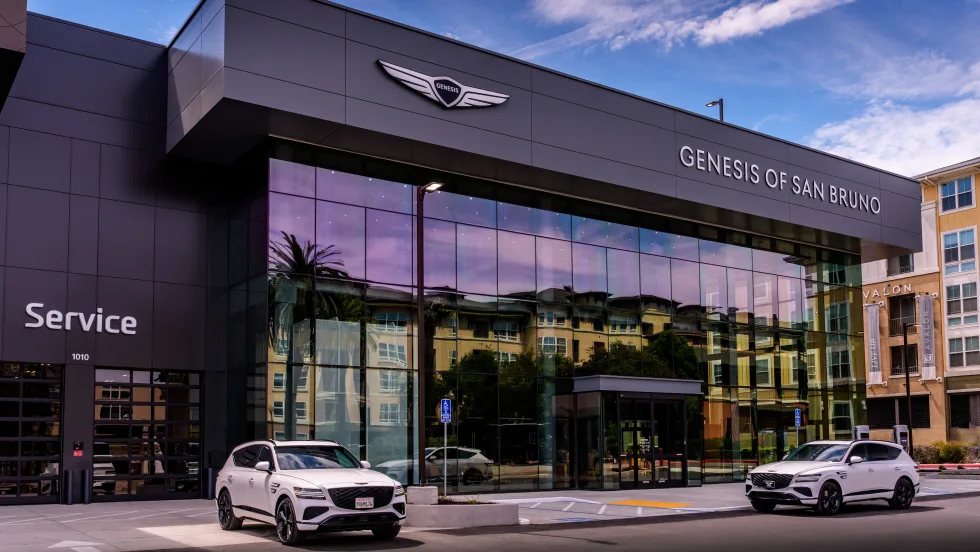
Genesis Grows California Presence
The Cardinale Automotive Group opened its third Genesis rooftop in the Golden State, Genesis of San Bruno, a stand-alone dealership serving the San Francisco Bay Area.
Read More →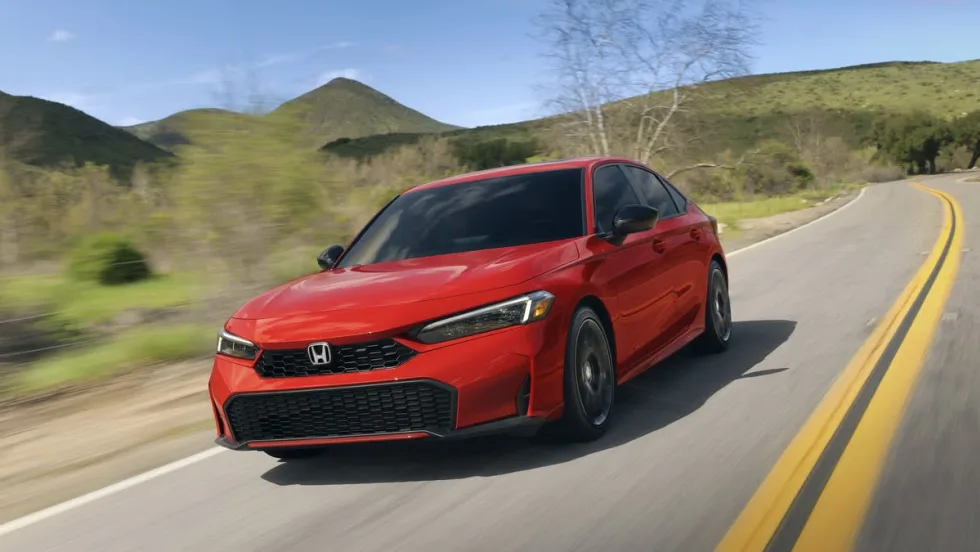
August Auto Sales a Mixed Bag
An early forecast shows strong business despite consumer hurdles, and hybrids are a big piece of their affordability coping strategy.
Read More →
EV Market Humming Along
July sales show steady growth as the segment stabilizes from last year’s artificial surge following pullback of federal support.
Read More →
Auto Loan Delinquency Rates Stabilize
Auto loans are a main driver of nonmortgage consumer debt, but delinquency rates stabilized in the second quarter across all credit risk tiers.
Read More →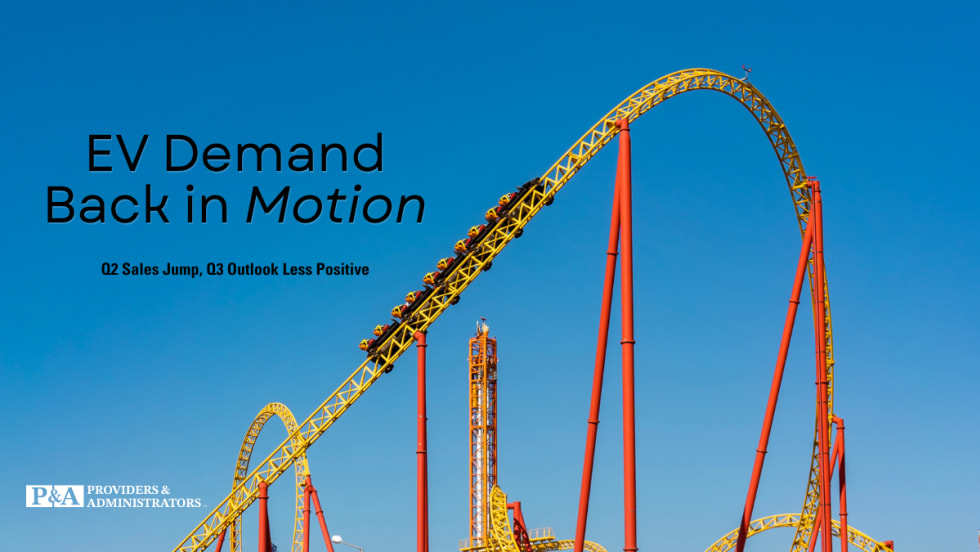
EV Sales Recover in Q2
The EV sales roller coaster continues as numbers show improvement, but industry experts predict a year-over-year third-quarter decline and fourth-quarter jump.
Read More →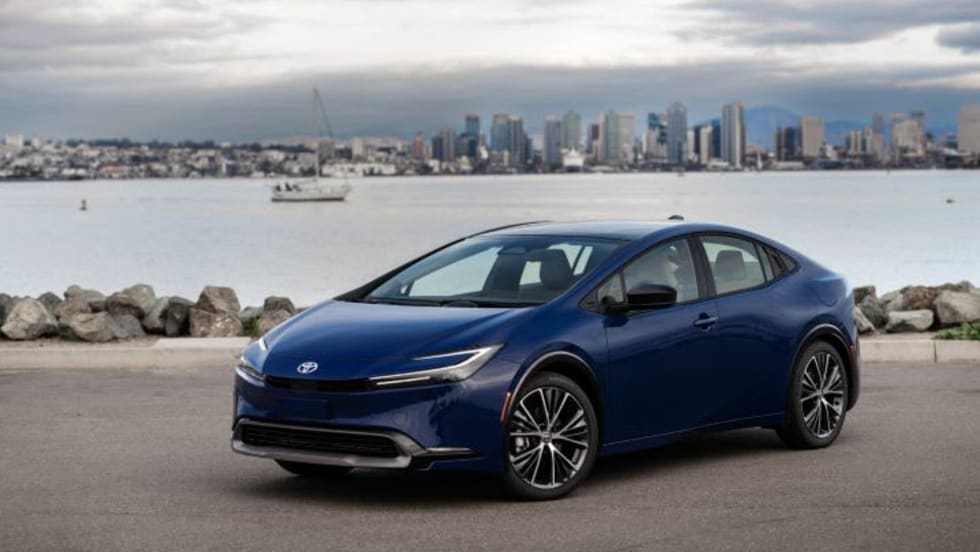
The Cheapest Hybrids to Fuel
The powertrain is increasing in popularity, in no small part due to its fuel economy. A new report lists the most efficient hybrids on the market.
Read More →