


White House Proposes Boosting PBGC Insurance Costs

The Obama administration is proposing to allow the government's pension insurer to raise insurance costs by $16 billion over 10 years, and would allow the agency to charge higher premiums to the riskiest companies.
The move could have a big effect on the auto sector, which has some of the largest pension plans in the United States, and on suppliers, many of whom have terminated their pension plans in recent years, reported The Detroit News.
The Pension Benefit Guaranty Corp., which insures the pensions of 44 million Americans in 29,000 plans, would also get "the authority to adjust premiums" and would require the agency "to take into account the risks that different sponsors pose to their retirees and to PBGC."
"The question is not if premiums will be increased, but how it is done and by whom," said PBGC Director Josh Gotbaum. "What the president proposes is a better and fairer approach than raising premiums across the board and forcing responsible companies to subsidize those that are not."
The White House said the change "will both encourage companies to fully fund their pension benefits and ensure the continued financial soundness of PBGC."
But no changes to the premiums that businesses pay would take effect for two years and insurance hikes would be phased in.
The agency has a $23 billion deficit, up from $22 billion a year ago.
In its 2010 budget year that ended Sept. 30, the PBGC took in $2.3 billion in premiums and had $7.8 billion in investment income. At the same time, PBGC's obligations increased by $11.5 billion as it assumed more pension plans.
The PBGC has $79.5 billion in combined assets to cover obligations that total $102.5 billion. The $23 billion deficit is a $1 billion increase from $22 billion in 2009.
PBGC paid $5.6 billion in benefits to 801,000 retirees in 2010 for plans had failed. Another nearly 700,000 participants in those plans will receive benefits when they reach retirement age.
Had the government refused to save General Motors and Chrysler in 2009, a PBGC takeover of their pension plans would have added about $15 billion to the agency's deficit. The two companies' plans cover about 950,000 people, including about 700,000 at GM.
The PBGC in 2009 assumed responsibility for at least a half-dozen auto supplier pensions covering 100,000 people.
The largest was Delphi, spun off by GM in 1999. Delphi terminated its pension plans in July 2009, saddling the PBGC with a $6.2 billion liability for plans covering 70,000 people. Some will retirees will lose up to 70 percent of benefits.
Detroit's Big Three faced a pension deficit of about $33 billion last year.
GM reduced its $17 billion shortfall by $6 billion, including making a $4 billion cash payment in December. GM also set aside $2 billion in company stock for the pension plans.
Ford Motor Co. made $1 billion in pension contributions in 2010, up from $900 million in 2009.
The Dearborn automaker's worldwide pensions are underfunded by $11.5 billion, with its U.S pensions underfund by $6.7 billion. Ford has vowed to completely fund its pensions within five years as it cuts its overall debt.
The Government Accountability Office estimated in April that Chrysler Group LLC would need to make about $2.5 billion in pension payments through 2014. Its plans were underfunded by about $3.5 billion as of the end of 2009.
GM declined to comment on the proposal.
More Industry

Charger Network Growth Slows
Despite a projected increase in public EV chargers in 2026, charging infrastructure remains a top concern for consumers as the gap between the most and least EV-friendly places remains substantial.
Read More →
Lenders, Consumers Take on More Auto Loan Risk
September records loosened credit access the most in over a decade as buyers took advantage of the conditions to afford trading, though loan applications fell.
Read More →
Next-Gen Hybrids in Sight
Dealerships can expect to see revamped hybrids from Honda next year as the company rolls out a new system and model lineup.
Read More →
Gem State Stores Change Hands
A larger auto group founded in the industry’s early years sold two franchises to a neighbor group that's on a growth spurt.
Read More →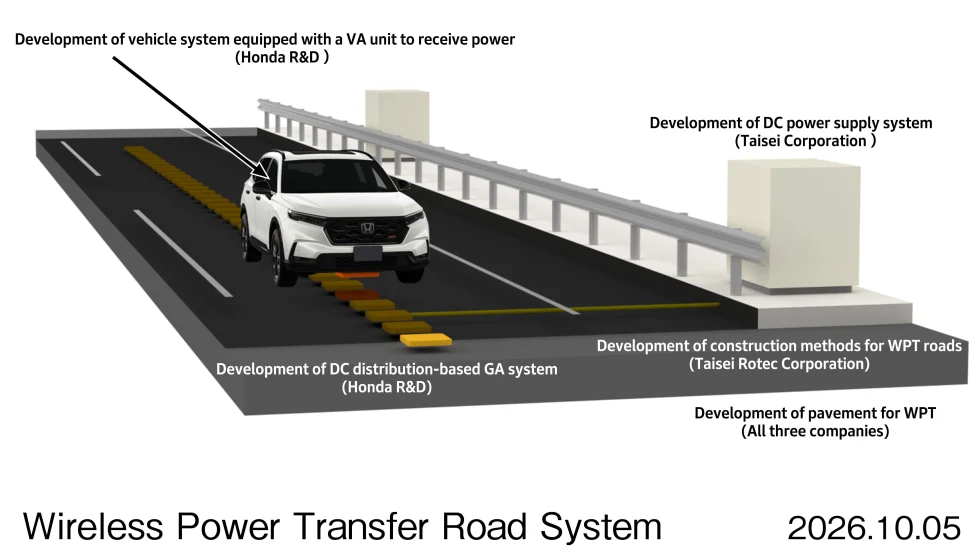
Charging In Motion
Honda has been researching wireless in-motion charging for electric vehicles since 2025, and new technology developments have put it a step closer to a final product.
Read More →
Twin Cities Stores Sell
Minnesota-based Walser Automotive Group made what it called the most significant acquisition in its history with a three-rooftop deal in Minneapolis.
Read More →
U.S. Auto Sales Still Below Prepandemic Levels
Mobility Global industry observers don’t expect the market to return to the higher volumes that became routine before Covid but to stay well below its potential.
Read More →
The Powertrain Shift
Electric-vehicle owners are backpedaling, according to new data, with product availability driving many to shift back to gas-powered engines.
Read More →
Achromatic Autos
The shades that dominate the U.S. car market don’t call attention to themselves, though grayscale may have plateaued after a 30-year upswing, research shows.
Read More →
Used-Vehicle Affordability Worsens
Listing prices in August defied seasonal trends, rising above $27,000 for the second time this year.
Read More →