


4 Crazy-Easy Ways to Improve Employee Engagement
GMs need to keep employees excited, not just present.

GMs need to keep employees excited, not just present.
photo ©GettyImages.com/EmirMemedovski
“Engagement” is all the rage these days—so much so, it begs the question: is it really that important?
Disengaged employees cost money. So yeah, engagement is important.
Great question. Allow me to respond, because I obsess over this topic. First, I want to make sure we’re all on the same page about what “engagement” means: Engaged employees want to be at work and are looking for opportunities. They could care less about clocking in and out.
On the other hand, disengaged employees are punching the clock and doing only what’s necessary to not get fired. They’re present, but they won’t go above and beyond their primary responsibilities. According to Gallup, disengaged employees have 37% higher absenteeism, 18% lower productivity, and 15% lower profitability (in their outputs).
Disengaged employees cost money. So yeah, engagement is important.
Here are four things I’ve seen GMs and dealer principals do to improve engagement (tested on the ground in both high and low-volume stores).
1. Sit down, shut up, and let the employee talk. Set a reminder on your calendar to sit down with each new employee roughly two months into his/her employment experience. Invite them to answer the following questions (in writing and on their own), and review their answers in person.
What questions do you have so far?
What are two things you like about your job?
What are two things you dislike about your job?
What are two ideas you have that might make things better (in the job and/or the dealership)?
What are two things you look forward to in your career here?
Let the employee do the talking, with the GM (not the hiring manager). You’ll be amazed at what you learn; and the employee will feel recognized and relevant.
2. Draw out every new employee’s place, and share its importance. Every new employee is both excited and a little nervous. Often, some of the nerves come from not knowing where he/she fits into the organization. So, draw it out … literally. Draw out a simple organizational chart showing the new team member’s place, then explain the importance of that place. Detailers, for example, need to know that guests love clean vehicles. Lot porters need to know that symmetry plays a critical role in vehicle sales. Every position holds value; show your new team members!
3. Be crystal clear about expectations. Nothing is worse than employing an ambitious employee who doesn’t know what success looks like. Be sure to answer this question up front: What do I need to do to hit the ball out of the park? If you can’t answer that question with easy-to-understand numbers, then confusion will set in, performance will likely lag, and disengagement will happen. Make it clear up front.
4. Share each person’s progress (for those on commission-based pay plans). I recently spent time with a GM who prints and shares two reports every Monday that make progress crystal clear (to help sales personnel meet expectations). One is an activity sheet featuring calls made, emails sent, visits, be-backs, etc.—for all of his sales personnel. It shows where everyone’s at in the month, plain as day, and it often generates valuable discussions. He also prints out a progress report for each salesperson showing his/her goal, vehicles sold, and take-home earnings (to-date).
General managers and dealer principals have a lot to do. But nothing is more important for store leaders than keeping everyone rowing in the same direction, and that only happens when people feel important, relevant, and empowered.
It’s time to Engage!
Aaron Filipi is director of communications and employee engagement for Baxter Auto Group, based in Omaha, NE.
Read: What Video Advertising Means for the Future of Car Dealerships
Originally posted on Auto Dealer Today
More Industry
Charger Network Growth Slows
Despite a projected increase in public EV chargers in 2026, charging infrastructure remains a top concern for consumers as the gap between the most and least EV-friendly places remains substantial.
Read More →
Lenders, Consumers Take on More Auto Loan Risk
September records loosened credit access the most in over a decade as buyers took advantage of the conditions to afford trading, though loan applications fell.
Read More →
Next-Gen Hybrids in Sight
Dealerships can expect to see revamped hybrids from Honda next year as the company rolls out a new system and model lineup.
Read More →
Gem State Stores Change Hands
A larger auto group founded in the industry’s early years sold two franchises to a neighbor group that's on a growth spurt.
Read More →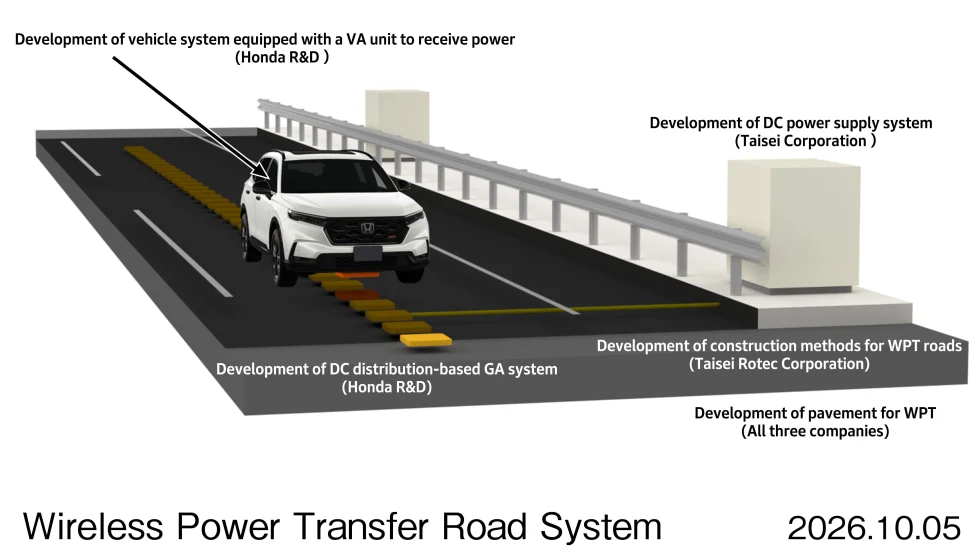
Charging In Motion
Honda has been researching wireless in-motion charging for electric vehicles since 2025, and new technology developments have put it a step closer to a final product.
Read More →
Twin Cities Stores Sell
Minnesota-based Walser Automotive Group made what it called the most significant acquisition in its history with a three-rooftop deal in Minneapolis.
Read More →
U.S. Auto Sales Still Below Prepandemic Levels
Mobility Global industry observers don’t expect the market to return to the higher volumes that became routine before Covid but to stay well below its potential.
Read More →
The Powertrain Shift
Electric-vehicle owners are backpedaling, according to new data, with product availability driving many to shift back to gas-powered engines.
Read More →
Achromatic Autos
The shades that dominate the U.S. car market don’t call attention to themselves, though grayscale may have plateaued after a 30-year upswing, research shows.
Read More →
Used-Vehicle Affordability Worsens
Listing prices in August defied seasonal trends, rising above $27,000 for the second time this year.
Read More →