


4 Dealer Tech Tools to Top Your List
The auto industry is ripe for innovation, but…

The auto industry is ripe for innovation, but…
©GettyImages.com/Henrik5000
There’s a plethora of data available to help you reach the right target audience. However, the digital marketing tools used to leverage that data can lead to challenges—everything from privacy issues, to cookie and history clearing on social media and web browsers.
The more accurate your audience targeting is, the more effective and profitable your campaigns will be.
Because of these obstacles, it’s especially important to leverage your own first-party data, including customers who have previously interacted with your company through a purchase, website visit, or social media engagement. And since new digital channels and touchpoints open up constantly, you’ll always have more opportunities to interact with those customers.
With that, however, comes the need to be more strategic with your resources. You want to be where people are in the moment—especially because some channels fall out of favor over time or are limited in targeting first-party audiences. These issues have given rise to marketing automation, which involves tailoring specific efforts to individuals, rather than small groups or segments.
As account-based marketing continues to grow, first-party data becomes even more valuable. You can use it to fuel individually targeted marketing efforts, or to find and target more accurate audience lookalikes. Targeted marketing is quite effective, but it can be difficult to achieve without the right tools.
Keeping Up With Technology
As the digital landscape continues to evolve—and consumer consumption of digital media grows—automotive sales and service journeys must become more digitally focused. Updated technology makes things easier for your customers. Consider the time and effort they can save with things like auto-fill forms, click-to-call capabilities, payment calculators, and more.
Consumers already do most of their vehicle research online. According to a 2018 Deloitte study, brand and dealer websites have the greatest impact on a customer’s decision to buy a new car. And once they’ve made a decision, they expect to complete the purchase and service processes easily. Updated technological tools are necessary to provide this level of interaction—and to gain valuable first-party data from those interactions.
Much like customer-facing technologies, outdated marketing tools can deliver underwhelming performances that do more harm to your business than good. In addition, outdated technologies are often no longer in compliance with data legislation, and even worse, they might leverage equally outdated data strategies that make them even more of a liability.
What You Need to Succeed
Other industries have already embraced advanced digital marketing tools to great success. In the entertainment industry, for instance, internet-connected TVs give companies direct lines to viewers who stream their media. Attribution modeling, on the other hand, shows which digital channels drive the most conversions, enabling organizations to make the most of every marketing dollar.
The following are just a few other technologies poised to have a huge impact on the future of digital marketing for the auto industry:
▶ Dealer Management Systems
While relatively common, a dealer management system, or DMS, is an important tool in any auto marketer’s toolbox. It’s a platform that digitizes the management of your customer relations and marketing processes. An advanced DMS keeps real-time stock of inventory, and can integrate with automated customer service and marketing features, including appointment management and e-commerce interfaces. It also contains a wealth of first-party data that can be useful when targeting current customers or finding target audiences similar to your existing customers.
▶ Store Visit Reporting
Google’s store visit reporting allows you to attribute online activity on paid searches to offline conversions. The data tells you what activities are driving the most ROI, and which aspects might need a marketing boost. This type of reporting once cost advertisers six to seven figures, but it’s now a standard addition to Google’s paid search.
▶ Contextual Targeting
With contextual targeting, you can automatically match ads to the content your audience members are viewing. Any ads you’ve marked for contextual targeting will be automatically selected and displayed on web pages with similar content. As third-party cookies continue to be phased out, this will become vital for reaching audiences.
▶ Dynamic Creative Optimization
Personalization is an inherent part of account marketing—and the reason why first-party data is so important. With dynamic creative optimization, you can take the concept of personalized ads several leaps forward. Creative changes can be made on the fly to add targeted, relevant, and optimized content to every ad.
Obviously, you want your marketing efforts to appeal to the right customers. It will take some effort to get these sophisticated tools in place, but you’ll see a quick return on that investment once you get them up and running. The best place to start is with your own first-party data; use it to find new or similar audiences across the modern technological landscape. After all, the more accurate your audience targeting is, the more effective and profitable your campaigns will be.
Shelley Washburn is president of GSM, a full-service marketing company specializing in digital and direct solutions for the automotive industry.
Originally posted on F&I and Showroom
More Product & Technology

Integrating AI Into Your Admin System
It’s important for finance-and insurance administrators to build the technology into their existing systems instead of bolting it on.
Read More →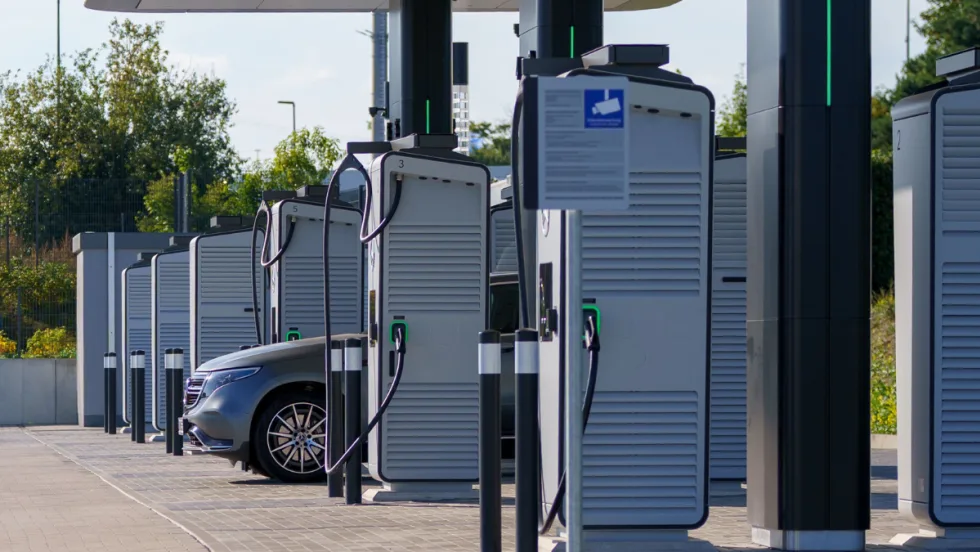
Public EV Charging Improves
The infrastructure buildout in the U.S. is providing more availability and safety at a better cost, according to the latest EV experience study by JD Power.
Read More →
AI in the Dealership
A Cox Automotive poll shows most dealers use it, but only some have found the smartest ways to adapt the surging technological sensation.
Read More →
AAA Honors Service and Repair Facilities
Three automotive dealerships made AAA's Service Providers of Excellence and Best in Repair list this year.
Read More →
EFG Launches Product Admin Platform
The company says the offering is designed to empower administrators, service contract providers, and product marketers to expand automotive and power-sports capabilities.
Read More →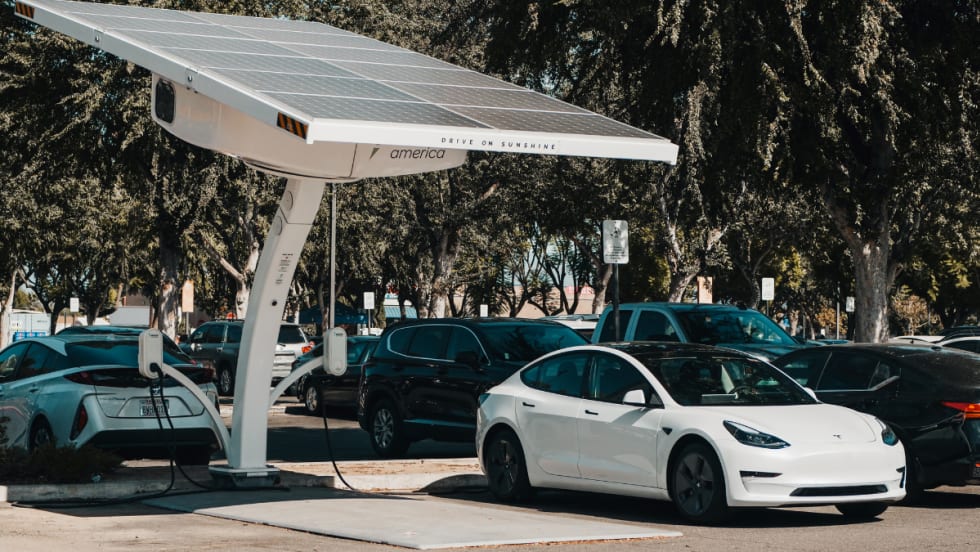
Optimized Charging Could Reduce Costs
According to an Alliance for Automotive Innovation analysis, optimized EV charging could cut costs for drivers and improve grid infrastructure - potential adoption incentives.
Read More →
From Inspection to Impact
Data, video and artificial intelligence are driving service performance today, when inspection performance is closely tied to key business outcomes.
Read More →
Car Karaoke Gets Official Platform
The in-vehicle karaoke and sing-along platform by Samsung arm is meant to add traveling enjoyment safely in technology that automakers can tailor to their specific needs.
Read More →
Kia Embraces Clean Energy
A Kia Georgia partnership combines weather protection and renewable energy in a new solar canopy system at Kia’s West Point facility.
Read More →
Honda-Sony Venture Dismantled
For nearly four years, the companies had worked toward the launch of the electric-vehicle brand’s first two models, but the shifting EV market scuttled the plans.
Read More →