


Better Questions Get Better Responses
Your approach and timing with customers can make all the difference.

A conversation with the customer gets better results than an interview.
IMAGE: Pexels/Gustavo Fring
Customers have told us they want to be guided through the F&I process, not subjected to it. Understanding the customer’s needs before presenting a menu can help F&I managers realize their full potential with each customer. Understanding how the benefits of the products offered relate personally to the customer’s life builds value, and value, when realized, leads to multiple product enrollments.
Asking better questions in discovery is key. What are better questions?
Better questions are focused on the customer.
Knowing what to ask, how to ask it, and when to ask it can have a significant impact in your outcomes in F&I.
There are four types of better questions we can utilize in F&I to better understand our customers: open-ended questions, closed-ended questions, probing questions and follow-up questions.
Open-ended questions invite conversation. When asked properly, they can get the customer to open up about the subject. Open-ended questions also can be conducive to a more relaxed interaction and conversation.
Open-ended questions can’t be answered with a single word or a yes or no. These questions can begin with a request to share information in a focused way.
An example might be, “Share with me your thoughts on the new technology that is included on your new vehicle?”
Open-ended questions get the conversation going and keep it going, which often results in learning the exact kind of information you need to guide the customer through the F&I process and help him or her decide which products make sense for them and why.
Next are closed-ended questions. These questions are used to clarify information given or to confirm information already known. Closed-ended questions should be used with caution, though. Too many of them in a row will create resistance and put your customer on the defensive. That is because there is no give and take to the conversation, just take.
Next are probing questions. These types of open-ended questions promote critical thinking and demonstrate that you are curious about what the customer has to say. They also promote a consultative and collaborative interaction that builds trust and credibility.
Probing questions are designed to deepen the knowledge and understanding for the F&I person asking the question and to compel the customer to be thoughtful before they respond.
The questions themselves provide depth and insight just as much as their answers. These questions get past the pat answers we are all conditioned to respond with. Value in the products we offer is created when the F&I manager or the customer can relate the benefits of the product to the customer’s life in a personal way. These questions gain you the insights you need to do just that.
An example: I understand the budget concern and that being the reason not to enroll today. I am curious though, how do think your decision not to enroll today will affect your ownership experience long term, say, three to five years from now?
Follow-up questions are another form of open-ended questions and are best utilized when the response to your previous question didn’t provide enough information. The great thing about follow-up questions is that they can be short and to the point. An example might be, “That’s interesting. Can you tell me more?”
Follow up questions keep the conversation focused where you want it to be, and like probing questions, can often uncover valuable information about your customer’s life or current mindset.
Then there’s the power of the pause. Pausing for a couple of beats before responding to something your customer has said in response to your question can help to build credibility and trust with your customer. It tells the customer that you have listened to them, and more importantly, that you are thinking about what they have said.
Finally, be willing to go with the flow of the conversation a little bit. I know time is always an issue, but if we allow the conversation to go where the customer wants it to go, it will relax the customer even more, and it gives you the opportunity to ask questions when appropriate.
If you want to achieve better results in F&I, stop interviewing the customer. Instead, have a conversation with the customer. Ask better questions, and you’ll get much better results.
John Tabar serves as executive director of training for Brown & Brown.
Originally posted on F&I and Showroom
More Industry

Achromatic Autos
The shades that dominate the U.S. car market don’t call attention to themselves, though grayscale may have plateaued after a 30-year upswing, research shows.
Read More →
Used-Vehicle Affordability Worsens
Listing prices in August defied seasonal trends, rising above $27,000 for the second time this year.
Read More →
First-Half Dealership Deals Up
Buy-sell activity shows that acquirers are looking for value and scale as many retailers seek to leave an increasingly competitive and complex market, Kerrigan Advisors reports.
Read More →
Kia Closes Out Summer With a Bang
Its U.S. subsidiary broke multiple records in August, in part due to a surge of demand for hybrids models.
Read More →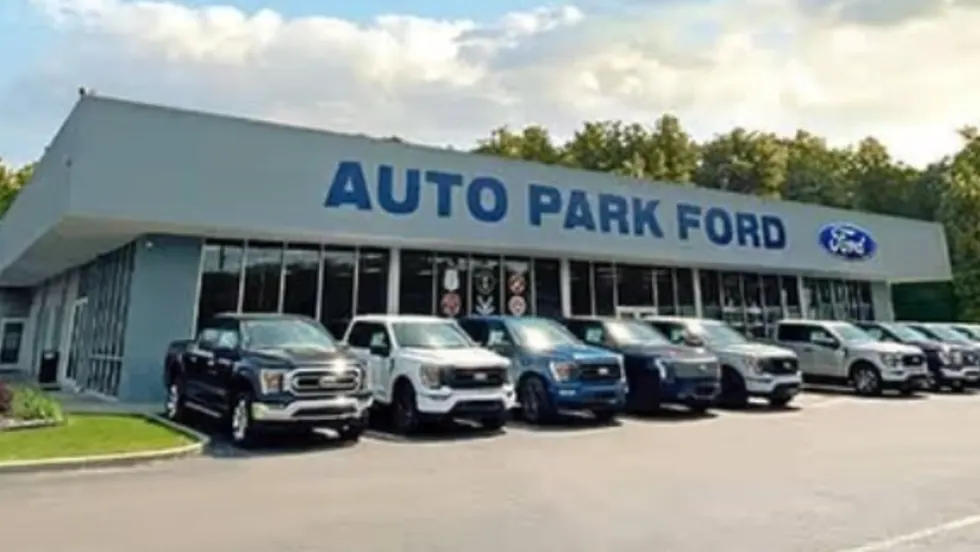
Indiana Dealership Changes Hands
A 30-year-old Ford dealership in Indiana has a new owner and will soon be undergoing renovations to meet manufacturer requirements.
Read More →
Texas Dealership No Longer in the Family
The Ford store, a longtime cornerstone of the Houston market, is now part of one of the fastest-growing U.S. auto groups.
Read More →
Genesis Grows California Presence
The Cardinale Automotive Group opened its third Genesis rooftop in the Golden State, Genesis of San Bruno, a stand-alone dealership serving the San Francisco Bay Area.
Read More →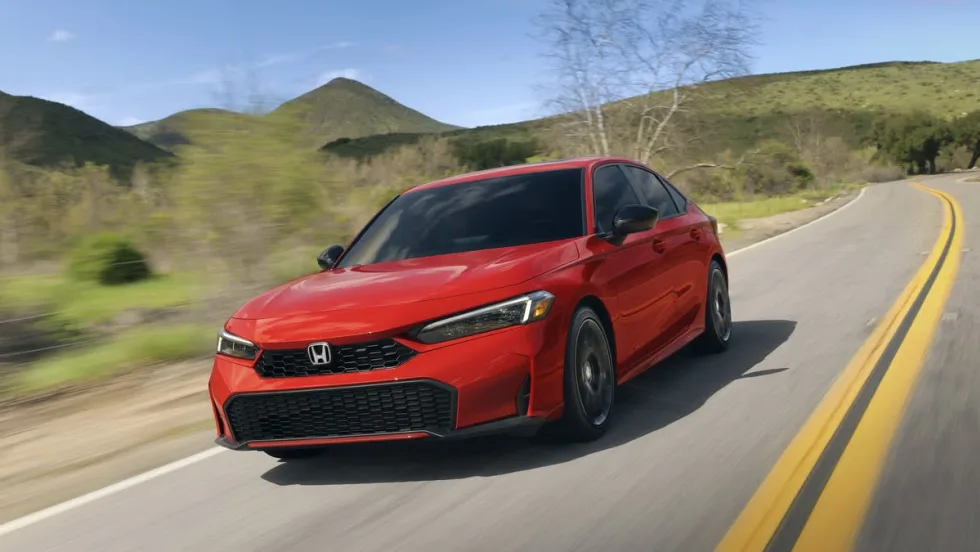
August Auto Sales a Mixed Bag
An early forecast shows strong business despite consumer hurdles, and hybrids are a big piece of their affordability coping strategy.
Read More →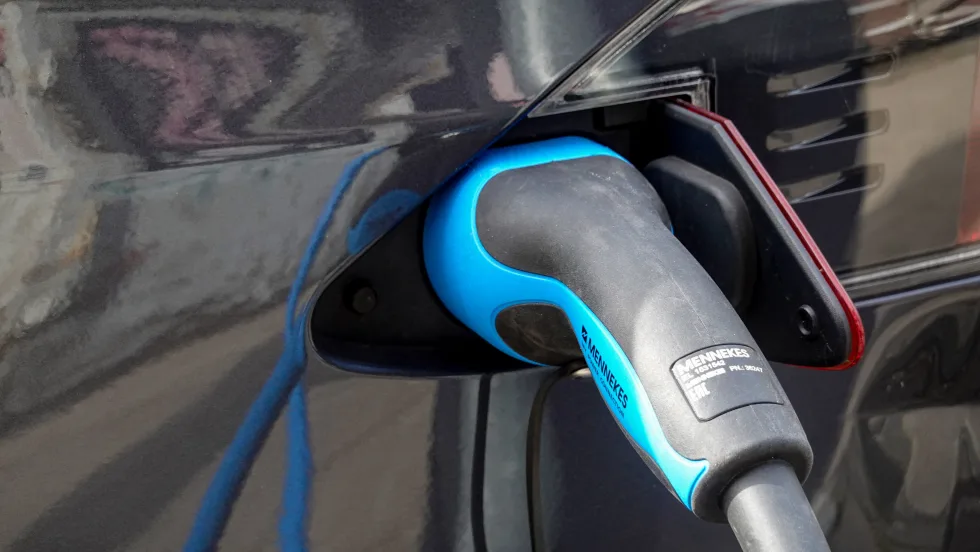
EV Market Humming Along
July sales show steady growth as the segment stabilizes from last year’s artificial surge following pullback of federal support.
Read More →
Auto Loan Delinquency Rates Stabilize
Auto loans are a main driver of nonmortgage consumer debt, but delinquency rates stabilized in the second quarter across all credit risk tiers.
Read More →