


Captives Regain Total Market Share While Financing Remains Prime in Q2
Increased incentives helped captives take the lead, with 58% of new financing.

Consumers are taking out shorter terms and bringing more cash to the transaction to potentially lower the overall cost of the vehicle.
IMAGE: Pexels/Sora Shimazaki
As more incentives make their way into the automotive finance space and consumers lean toward new vehicles, captives had the opportunity to regain total market share, according to recent data.
In fact, captives reached 29.05% of total market share the second quarter, up from 22.15% year-over-year. Banks came in at 24.84%, a decrease from 27.75% a year earlier, and credit unions were not far behind, going from 25.96% to 22.49% year-over-year.
Breaking down the market share for new financing, captives remained in the lead, coming in at 58.47% from 26.80% a year earlier. Meanwhile, banks declined from 25.97% to 22.25%, and credit unions experienced a significant drop from 21.57% to 13.70%.
It’s notable, though, that banks also declined in used-vehicle market share, resulting in credit unions now holding the largest percentage—increasing from 28.58% a year earlier to 28.65%. Banks came in at 26.65%, down from 28.81% a year earlier, and captives saw a slight uptick from 7.44% to 8.46%.
Market Remains Prime
Prime and super-prime consumers with a credit score between 661 and 850 made up over 67% of total financing in the quarter—with super-prime borrowers increasing to 21.77% from 18.51% a year earlier and prime borrowers slightly decreasing from 45.99% to 45.58%.
Meanwhile, subprime and deep-subprime borrowers fell to just over 15% of the market as subprime made up 13.42%, down from 14.89% a year earlier, and deep-subprime dropped from 1.96% to 1.61%.
Loan Amounts Level Out
Taking a deeper dive into the data, the average new-vehicle loan amount increased only $70 year-over-year, reaching $40,657. This is a change of pace, considering that between the first quarters of 2021 and 2022, the average new-vehicle loan amount increased $5,003.
On the used side, the average vehicle loan amount decreased $1,744 year-over-year to $26,863 in this year’s second quarter. Previously, the average used-vehicle loan amount had increased at a staggering rate—$4,548 between the second quarters of 2021 and 2022.
Some of the tapering off from the increases in average new- and used=-vehicle loan amounts can be attributed to average used-vehicle values dropping. But it’s important to note that despite vehicle loan amounts stabilizing, interest rates continue to rise.
In this year’s second quarter, the average interest rate for a new-vehicle loan was 6.63%, up from 4.60% year-over-year, while the average interest rate for a used vehicle rose from 8.84% to 11.38%.
Interest Rates Influence Loan Terms and Monthly Payments
In addition to bringing more cash and trade-in value to transactions, data shows consumers are turning to shorter loan terms to lower the overall cost of a vehicle.
For instance, new-vehicle loans of up to 48 months increased to 14.58% in the second quarter from 9.53% a year earlier. Furthermore, the percentage of new-vehicle loans with 49- to 60-month terms increased from 16.71% to 17.15%, and the percentage of new-vehicle loans with 73- to 84-month terms decreased from 35.45% to 29.38%.
At the lender level, captives offered the lowest average loan term for new vehicles at 65.27 months, down from 66.32 months a year earlier. Banks trailed behind at 70.67 months, down from 70.91 months, and credit increased from 72.90 months to 73.58 months.
Meanwhile, credit unions offered consumers the shortest average loan term for used vehicles, coming in at 68.28 months, down from 69.11 months a year earlier. Banks came in a close second at 68.92 months, down from 69.53 months, and captives fell slightly from 69.65 months to 69.05 months.
As a result of shorter loan terms and rising interest rates, average monthly payments increased in the second quarter. In fact, the average monthly payment for a new vehicle grew from $672 to $729 year-over-year, while the average monthly payment for a used vehicle rose from $519 to $528.
Interest rates have had a significant impact on the overarching automotive finance market. We’re seeing consumers take out shorter terms, as well as bring more cash to the transaction—all as a mechanism to potentially lower the overall cost of the vehicle. With affordability remaining top of mind, lenders across the board need to stay ahead of the trends to help consumers find the best vehicle that fits their financial needs.
Zabritski is Experian’s senior director of automotive financial solutions.
Originally posted on F&I and Showroom
More Industry
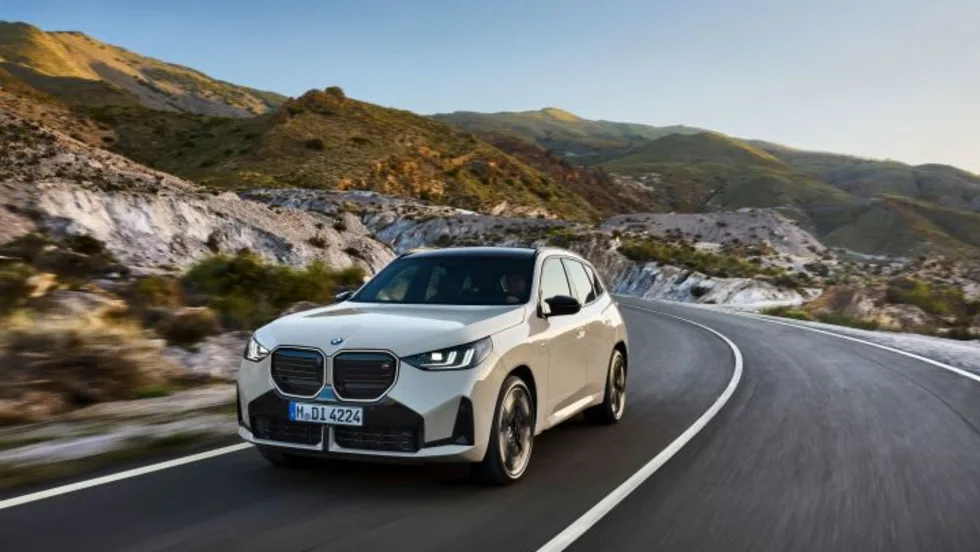
Achromatic Autos
The shades that dominate the U.S. car market don’t call attention to themselves, though grayscale may have plateaued after a 30-year upswing, research shows.
Read More →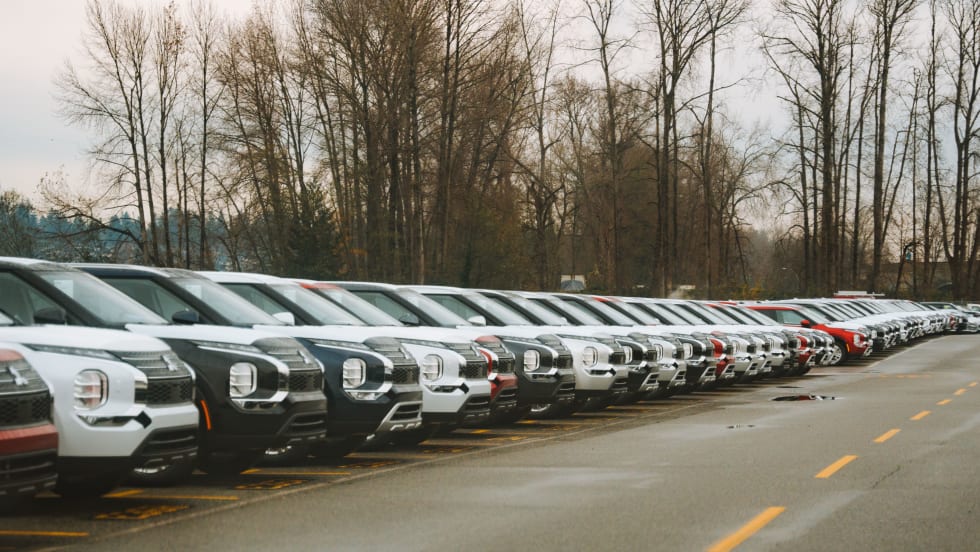
Used-Vehicle Affordability Worsens
Listing prices in August defied seasonal trends, rising above $27,000 for the second time this year.
Read More →
First-Half Dealership Deals Up
Buy-sell activity shows that acquirers are looking for value and scale as many retailers seek to leave an increasingly competitive and complex market, Kerrigan Advisors reports.
Read More →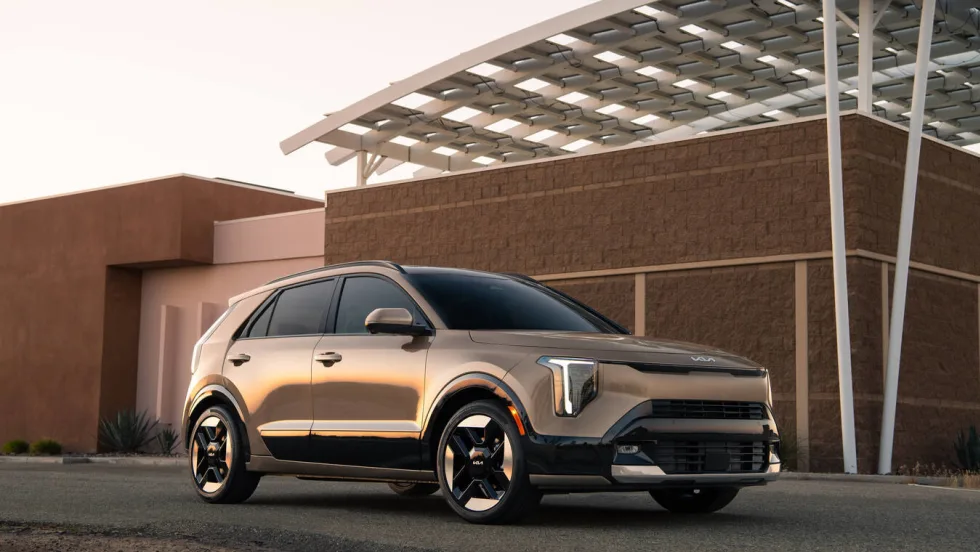
Kia Closes Out Summer With a Bang
Its U.S. subsidiary broke multiple records in August, in part due to a surge of demand for hybrids models.
Read More →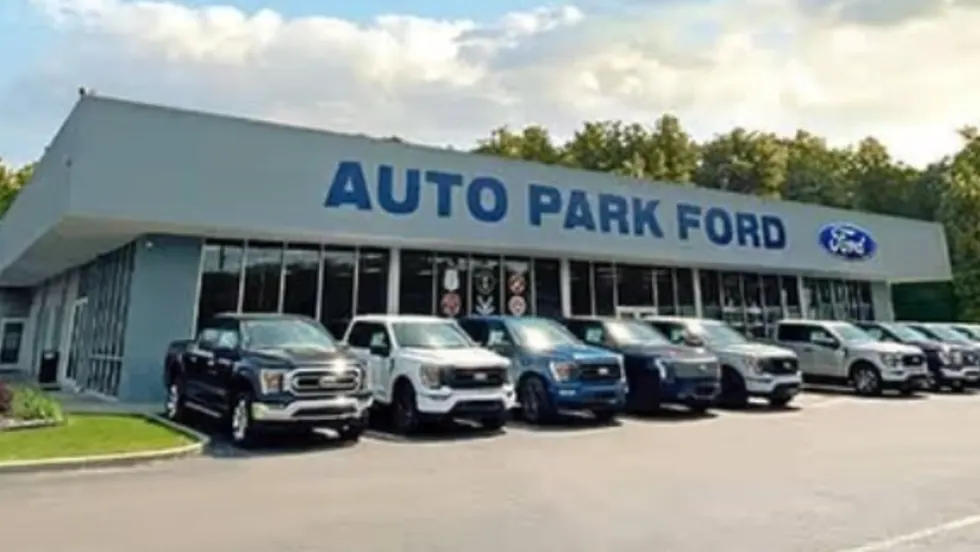
Indiana Dealership Changes Hands
A 30-year-old Ford dealership in Indiana has a new owner and will soon be undergoing renovations to meet manufacturer requirements.
Read More →
Texas Dealership No Longer in the Family
The Ford store, a longtime cornerstone of the Houston market, is now part of one of the fastest-growing U.S. auto groups.
Read More →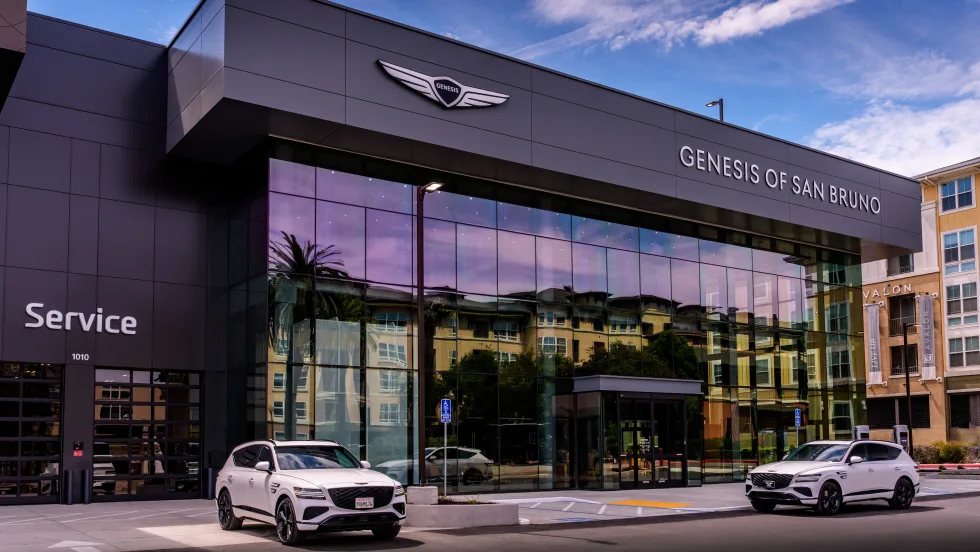
Genesis Grows California Presence
The Cardinale Automotive Group opened its third Genesis rooftop in the Golden State, Genesis of San Bruno, a stand-alone dealership serving the San Francisco Bay Area.
Read More →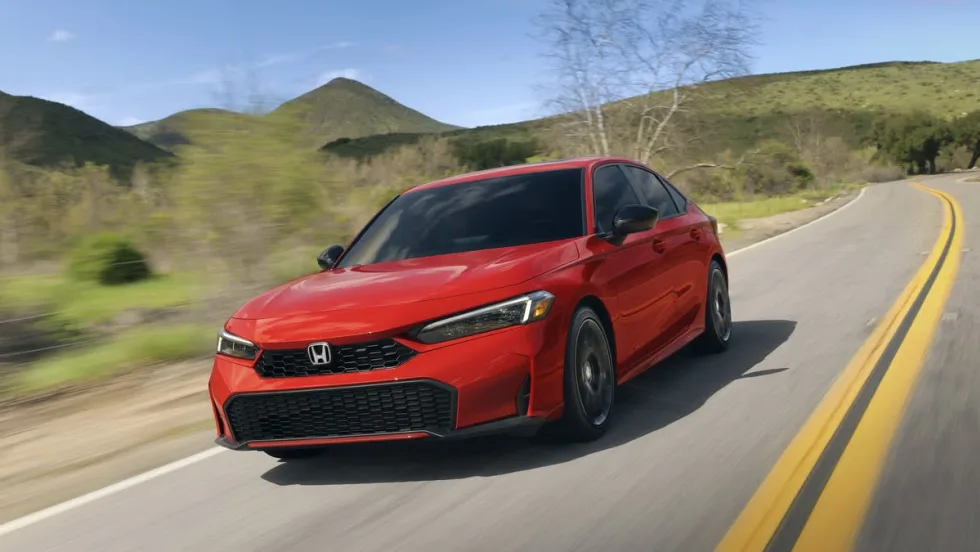
August Auto Sales a Mixed Bag
An early forecast shows strong business despite consumer hurdles, and hybrids are a big piece of their affordability coping strategy.
Read More →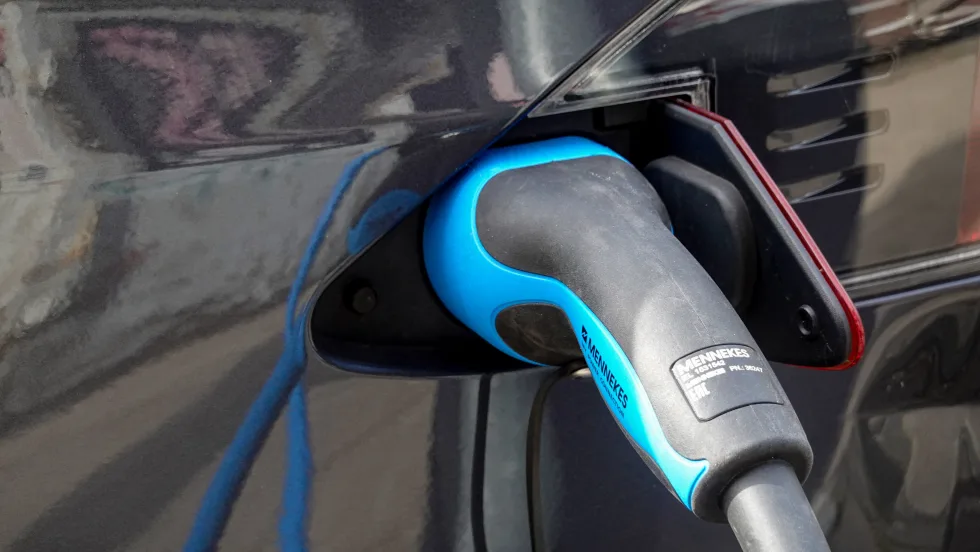
EV Market Humming Along
July sales show steady growth as the segment stabilizes from last year’s artificial surge following pullback of federal support.
Read More →
Auto Loan Delinquency Rates Stabilize
Auto loans are a main driver of nonmortgage consumer debt, but delinquency rates stabilized in the second quarter across all credit risk tiers.
Read More →