


Combative UAW Demands Leave No Room For Constructive Negotiations
Compensation for workers' contributions during the panedmic is justified but not at this level.

Steenbergh is CEO of AutoPayPlus, which provides automated biweekly and early loan payoff services for automotive, RV, boat, home and student loans.
IMAGE: AutoPayPlus
Here we are, and it’s no surprise. I’m dumbfounded by United Auto Workers President Shawn Fain’s tactical approach to this historic strike against all three major U.S. automakers.
Far from good-faith negotiations, he has threatened to “strike these companies in a way they have never seen before” with a series of coordinated work stoppages intended to "create confusion." Is this a labor dispute orthe Russia-Ukraine conflict?
The unions are demanding a 40% wage increase, along with numerous other concessions, to recover what they believe they “lost” when major manufacturers nearly went bankrupt during the 2007-08 financial crisis. They see the record profits being made by dealers and manufacturers in the post-pandemic world and want to get back what they “lost,” as well as a whole lot more.
They’ve been offered pay increases ranging from 17.5% to 20%, but they want double that. Plus, a return to unsustainable and anticompetitive cost-inducing benefit and pension plans, 32-hour work weeks, and guaranteed job security. Really? Entry-level pay is currently $32.32 per hour. That equates to $67,225 per year with full benefits.
Everyone has a right to negotiate for their compensation. But no company – automotive or otherwise – can survive long term in a changing economy with guaranteed fixed labor costs. That’s not how capitalism works. Especially when their entire argument of entitlement is built on a fallacy that the record profits of the post-pandemic years are going to last. We all know they will not.
Those record profits are the result of two separate market forces. First, government money flooded the marketplace with excess cash, which led to inflation and today’s high interest rates (another big problem for the industry). Second, the pandemic created supply chain disruptions that led to record low inventories and resulted in the classic supply-and-demand rule that drove up the price of vehicles. Both of those market forces are gone.
The near-term prognosis for our economy is not healthy, especially for the automotive segment. We have high interest rates, ultra-long-term loans, and a product mix that is largely unaffordable for a large percentage of consumers. Add to that the state and federal governments pushing for more aggressive corporate fuel-economy standards, and escalating electric fleet percentages with looming deadlines. UAW thinks now is the time for “targeted strikes” and “shutting down multiple lines?”
Instead, what if the union had said, “Hey, we sacrificed with you back in 2007. How about a one-time, structured payment from those record profits to compensate us for our contribution?” That is a valid good-faith offer and 100% deserved. But threatening demands unless they receive guaranteed pay and benefit increases in perpetuity, all while reducing their worktime by 20%? Their combative ultimatums will disrupt local and national economies and potentially impact the future of manufacturing jobs in the U.S.
With so many Americans struggling right now, this type of hostage negotiation strategy from an already highly compensated workforce leaves absolutely zero room for empathy. They’ll get no sympathy from me.
Originally posted on Auto Dealer Today
More Industry
Charger Network Growth Slows
Despite a projected increase in public EV chargers in 2026, charging infrastructure remains a top concern for consumers as the gap between the most and least EV-friendly places remains substantial.
Read More →
Lenders, Consumers Take on More Auto Loan Risk
September records loosened credit access the most in over a decade as buyers took advantage of the conditions to afford trading, though loan applications fell.
Read More →
Next-Gen Hybrids in Sight
Dealerships can expect to see revamped hybrids from Honda next year as the company rolls out a new system and model lineup.
Read More →
Gem State Stores Change Hands
A larger auto group founded in the industry’s early years sold two franchises to a neighbor group that's on a growth spurt.
Read More →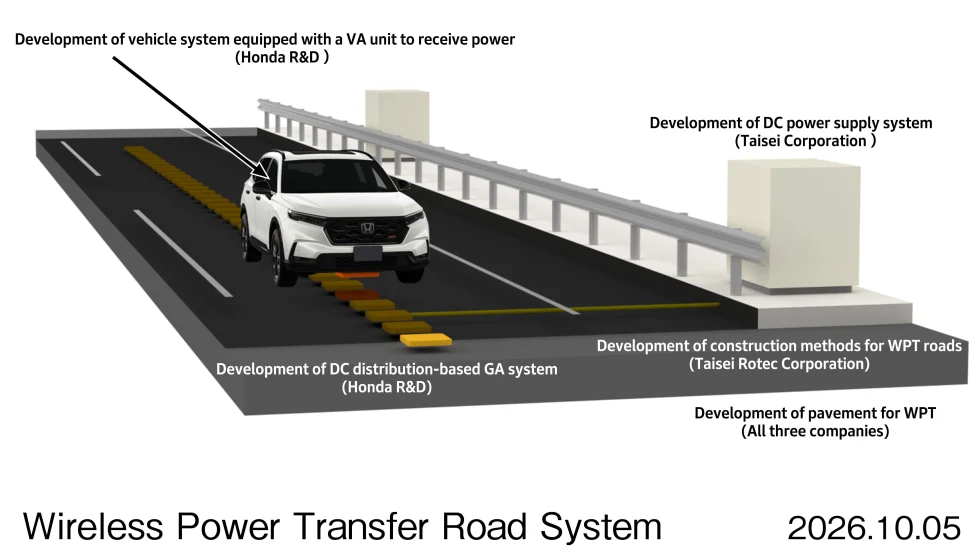
Charging In Motion
Honda has been researching wireless in-motion charging for electric vehicles since 2025, and new technology developments have put it a step closer to a final product.
Read More →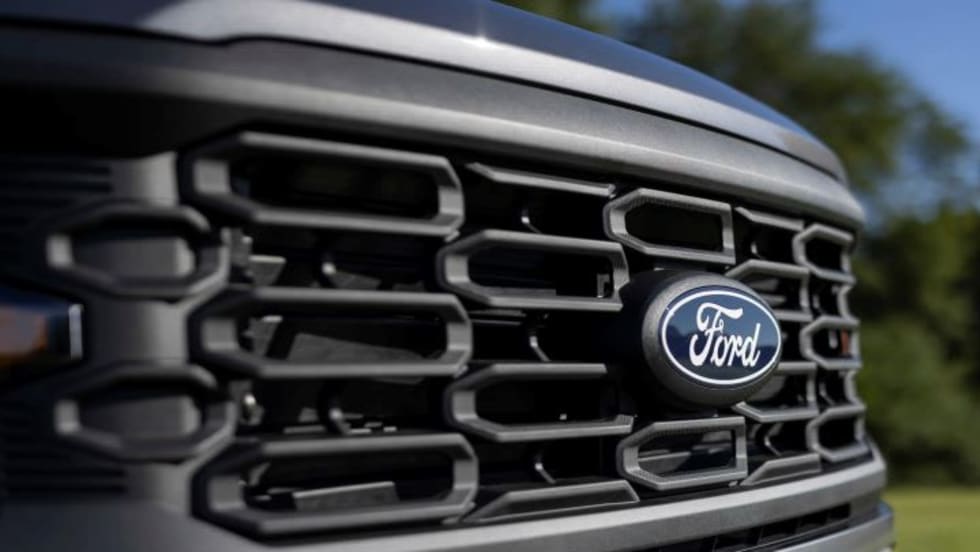
Twin Cities Stores Sell
Minnesota-based Walser Automotive Group made what it called the most significant acquisition in its history with a three-rooftop deal in Minneapolis.
Read More →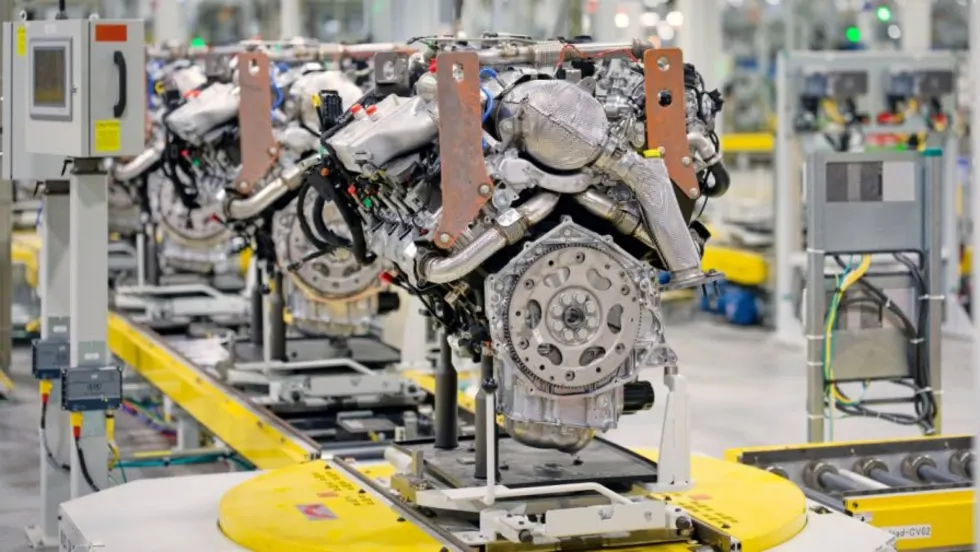
U.S. Auto Sales Still Below Prepandemic Levels
Mobility Global industry observers don’t expect the market to return to the higher volumes that became routine before Covid but to stay well below its potential.
Read More →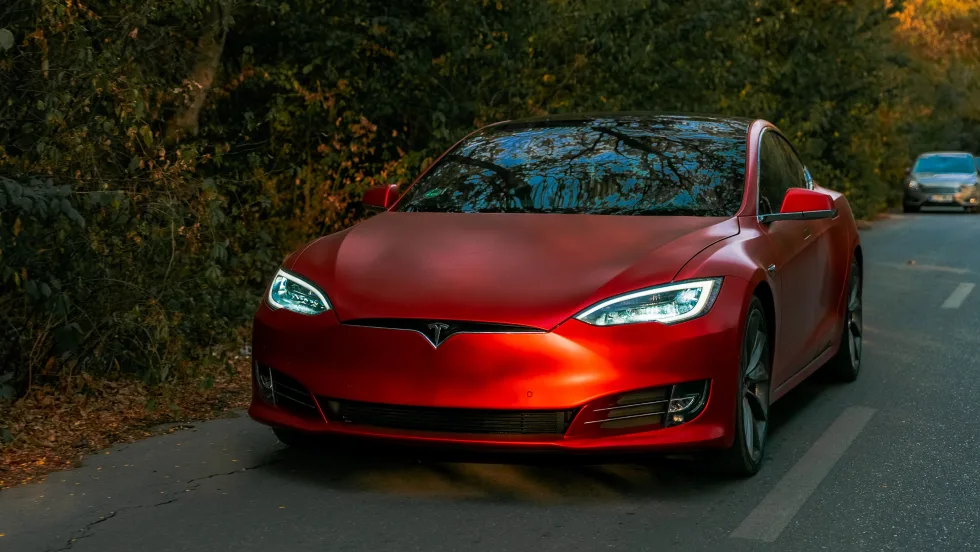
The Powertrain Shift
Electric-vehicle owners are backpedaling, according to new data, with product availability driving many to shift back to gas-powered engines.
Read More →
Achromatic Autos
The shades that dominate the U.S. car market don’t call attention to themselves, though grayscale may have plateaued after a 30-year upswing, research shows.
Read More →
Used-Vehicle Affordability Worsens
Listing prices in August defied seasonal trends, rising above $27,000 for the second time this year.
Read More →