


Connected Car Technology Drives Service Retention and Reduced Time to Purchase
By providing customers with notifications about vehicle service, maintenance specials, recalls and more, dealerships are building lasting relationships with existing customers to improve retention.

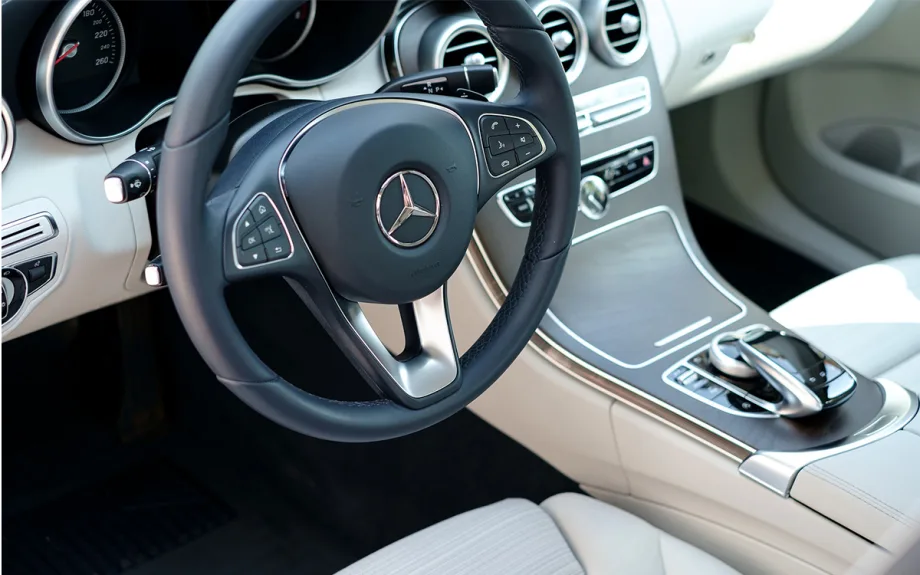
By providing customers with notifications about vehicle service, maintenance specials, recalls and more, dealerships are building lasting relationships with existing customers to improve retention.
In 2020, the automotive industry fell short of the forecasted 17.1 million new vehicles sold as the pandemic disrupted a five-year record of annual U.S. auto sales, resulting in a 15% decline year-over-year. The auto industry was expected to produce 700,000 fewer cars than planned for the first quarter of 2021, according to IHS Markit. In addition to reduced inventories, car dealerships also face a shift in consumer behavior. Many prospective buyers now expect digital shopping options, including extended test drives and home delivery.
To navigate these waters and make 2021 successful, car dealerships should equip sales teams with the best tools to provide a superb customer buying experience.
To navigate these waters and make 2021 successful, car dealerships should equip sales teams with the best tools to provide a superb customer buying experience. As the economy opens up, they should take advantage of the anticipated uptick of buyers with connected car technology. By adopting these new systems, dealerships can better manage their business by shortening sales processes with improved lot management, quickly coordinating socially distanced test drives, and building customer loyalty through fixed operations.
Shortening the Sales Process with Lot Management Data
The pressure to deliver exceptional customer service despite working with reduced staff and new safety protocols means backend operations are critical. The time it takes to buy a car is the biggest complaint consumers have with the process but connected car technology can actually speed up the sales process by 30 minutes.
By adding connected car technology, dealers can streamline the customer buying process by helping the sales team pinpoint the exact location for test drive vehicles. Using a simple app, they’re able to easily find vehicles for customers by make, model, trim, color, stock, VIN, and even battery level. In addition, dealers can also report on the current status of their entire inventory with deeper insight into inventory location, aging, security and usage.
From Brick-and-Mortar to At-Home Test Drives
Long before COVID-19, dealerships began to expand their online presence to meet changing preferences of consumers. While automotive has historically lagged behind other industries in implementing new transactional technology, the pandemic’s impact on retail operations has turbo-charged adoption. In fact, the success of e-commerce platforms, like Amazon, accustomed consumers to increasingly fast transaction times and at-your-door service.
For many dealers, remote and at-home test drives were seen as risky and cost prohibitive. Now, connected car technology safeguards vehicles throughout extended test drives and limits liability for the consumer. The ability to remotely monitor and record a vehicle’s location while conducting test drives allows potential buyers to assess a vehicle without a salesperson being there. Also, enabled through connected car technology, remote shopping options, home vehicle delivery and pick-ups for vehicle services can set dealerships apart from competitors and improve the customer experience.
Tech Drives Fixed Ops
The challenges of the past year have re-emphasized the importance of fixed operations as a reliable revenue source. Today, dealers are looking for targeted, efficient ways to build customer loyalty and keep the vital work of the service bay running.
Fortunately, when combined with a consumer-facing mobile application, connected car technology can extend post-sale relationships with consumers and streamline fixed operations. In fact, since the beginning of the pandemic, dealer’s using our our technology have found great success in growing consumer engagement for fixed ops. By tapping into basic vehicle data — VIN, make, model, year, mileage, this technology allows dealers to customize service alerts with automated reminders.
As a reference point, 52% of our customers say they contact their dealer after a service message. The capability also automatically pushes recall notifications that link back to the dealer’s service number – often before OEM notifications. By providing customers with notifications about vehicle service, maintenance specials, recalls and more, dealerships are building lasting relationships with existing customers to improve retention.
Brian Skutta is the President of Automotive at Spireon, the leading provider of aftermarket telematics solutions in North America.
Originally posted on F&I and Showroom
More Product & Technology

Integrating AI Into Your Admin System
It’s important for finance-and insurance administrators to build the technology into their existing systems instead of bolting it on.
Read More →
Public EV Charging Improves
The infrastructure buildout in the U.S. is providing more availability and safety at a better cost, according to the latest EV experience study by JD Power.
Read More →
AI in the Dealership
A Cox Automotive poll shows most dealers use it, but only some have found the smartest ways to adapt the surging technological sensation.
Read More →
AAA Honors Service and Repair Facilities
Three automotive dealerships made AAA's Service Providers of Excellence and Best in Repair list this year.
Read More →
EFG Launches Product Admin Platform
The company says the offering is designed to empower administrators, service contract providers, and product marketers to expand automotive and power-sports capabilities.
Read More →
Optimized Charging Could Reduce Costs
According to an Alliance for Automotive Innovation analysis, optimized EV charging could cut costs for drivers and improve grid infrastructure - potential adoption incentives.
Read More →
From Inspection to Impact
Data, video and artificial intelligence are driving service performance today, when inspection performance is closely tied to key business outcomes.
Read More →
Car Karaoke Gets Official Platform
The in-vehicle karaoke and sing-along platform by Samsung arm is meant to add traveling enjoyment safely in technology that automakers can tailor to their specific needs.
Read More →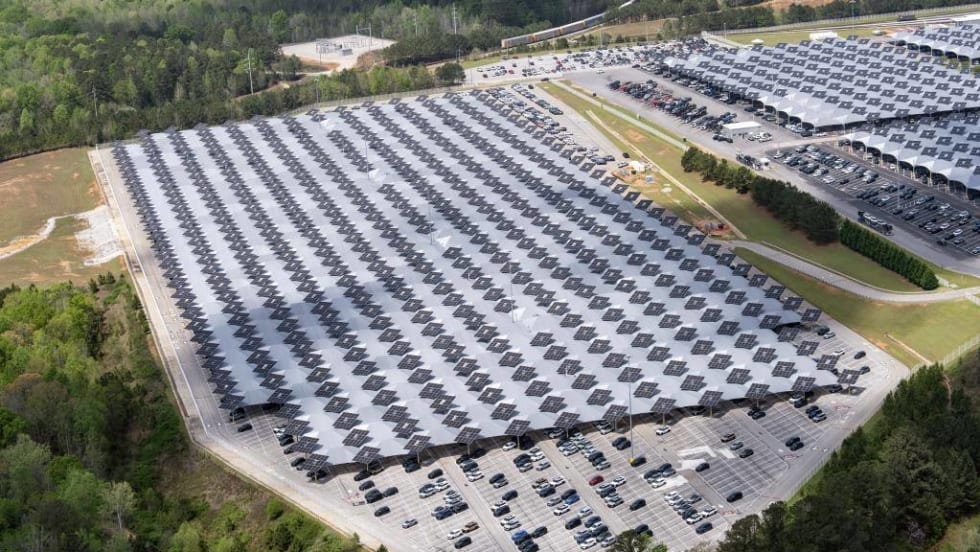
Kia Embraces Clean Energy
A Kia Georgia partnership combines weather protection and renewable energy in a new solar canopy system at Kia’s West Point facility.
Read More →
Honda-Sony Venture Dismantled
For nearly four years, the companies had worked toward the launch of the electric-vehicle brand’s first two models, but the shifting EV market scuttled the plans.
Read More →